Not too long ago, protecting your vehicle from theft was a purely physical endeavor. You locked the doors, rolled up the windows, parked in a well-lit area, and perhaps clamped a heavy steel club across the steering wheel. If a thief wanted your car, they had to break glass, hotwire mechanical ignitions, or physically tow it away.
Fast forward to 2026, and the entire automotive landscape has undergone a radical, irreversible digital transformation. The mechanical machines of the past have evolved into what the industry calls Software-Defined Vehicles (SDVs). Today, your car is essentially a high-performance supercomputer on wheels, wrapped in aerodynamic sheet metal, relying on hundreds of millions of lines of code to manage everything from your heated seats to your adaptive braking systems.
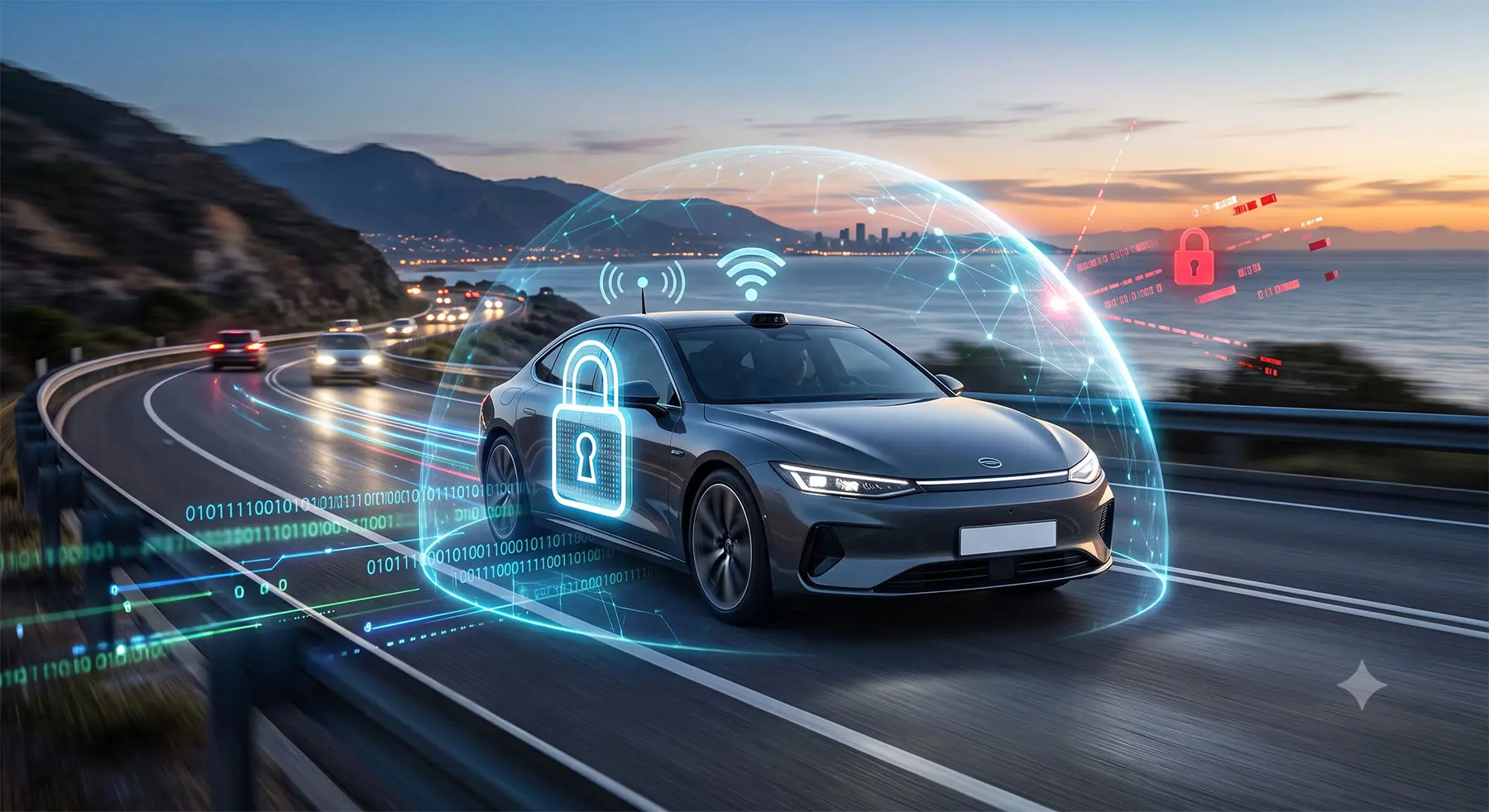
While this digital evolution brings unparalleled convenience, real-time navigation, predictive maintenance, and seamless entertainment, it also introduces an entirely new, invisible frontier of vulnerability: remote cyber exploitation. The modern car thief no longer needs a crowbar; instead, they might use a laptop, a rogue cellular transceiver, or a malicious lines of script executed from thousands of miles away.
As connected vehicles become standard across the globe, the shifting threat landscape means that automotive security is no longer just the responsibility of manufacturing engineers. It has broken into the consumer space. Understanding your vehicle's digital vulnerabilities, recognizing where the code interacts with physical mechanics, and practicing proactive cyber hygiene is the absolute new standard for modern car ownership. If your car is defined by its software, then protecting that software is just as critical as changing your oil or checking your tire pressure.
The Anatomy of a Modern Connected Car: Where the Vulnerabilities Hide
To understand how a remote threat actor can exploit a 2026 vehicle, we must dissect the complex digital ecosystem hidden beneath the dashboard. Modern automotive architecture relies on decentralized node computing, meaning your car is no longer a collection of mechanical linkages overseen by a single engine computer. Instead, it is a complex network of multi-layered entry points, internal transit lines, and endpoint actuators.
Cellular Gateways and Infotainment Systems: The Front Door
The most prominent attack surface on any modern Software-Defined Vehicle is its external connectivity suite. 2026 models are constantly tethered to cellular 5G networks to stream telemetry data back to manufacturers, provide real-time Wi-Fi hotspots, and feed the infotainment console with navigation updates, applications, and streaming media.
Because the infotainment system features web-browsing capabilities, third-party applications, and integration with external devices via Bluetooth or USB ports, it represents the widest "front door" for threat actors. A vulnerability in an open-source library used by an entertainment application can allow an attacker to execute arbitrary code within the infotainment unit. From there, malicious actors look for ways to break out of the isolated environment and compromise the car’s core communication channels.
Over-the-Air (OTA) Firmware Updates and Spoofing Risks
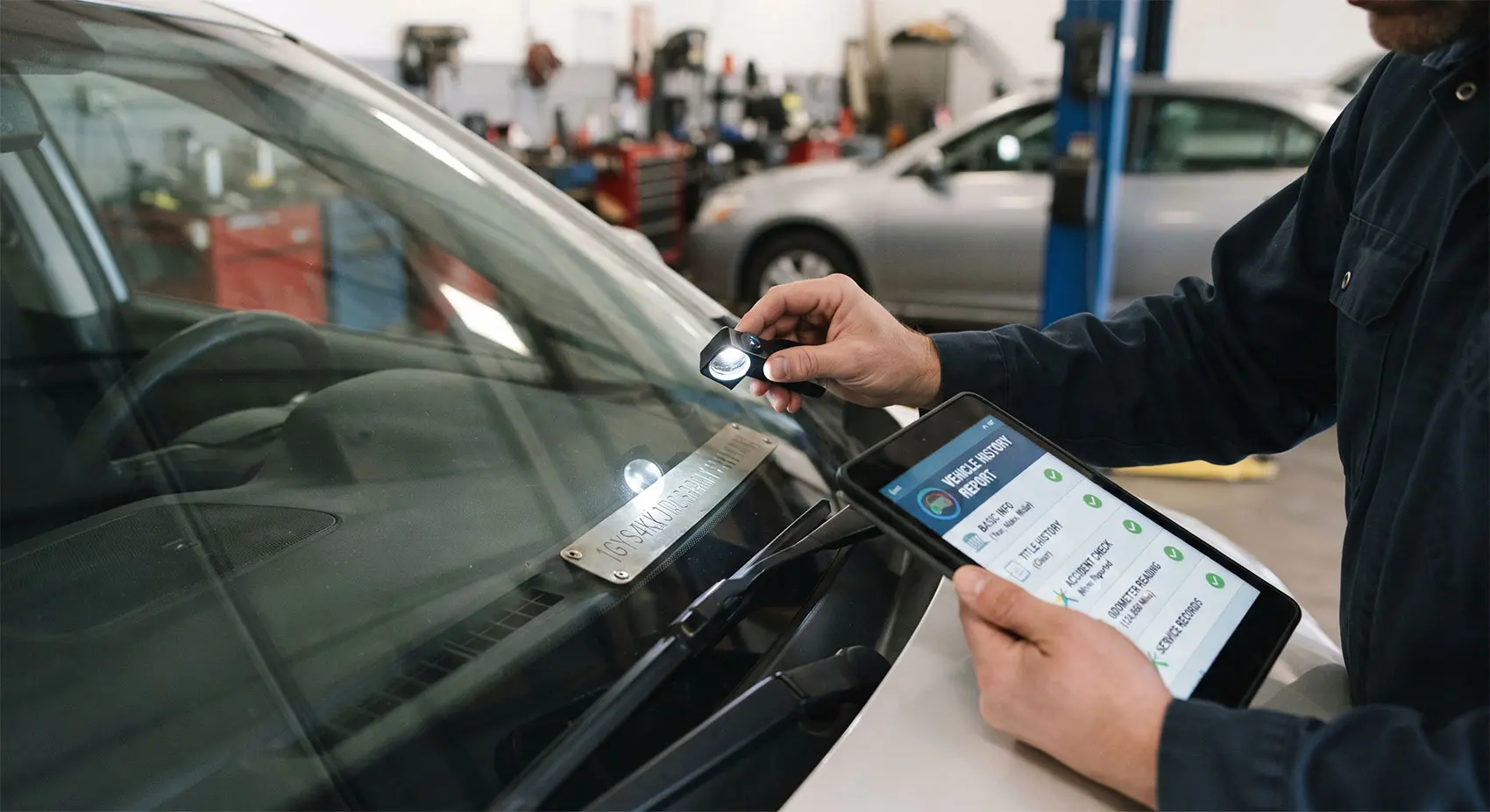
Gone are the days when a safety recall meant spending an afternoon sitting in a dealership service lounge waiting for a mechanic to plug an OBD-II scanner into your footwell. Today, manufacturers push massive firmware packages directly to your vehicle overnight while it sits parked in your garage.
While Over-the-Air (OTA) updates allow manufacturers to patch security flaws quickly, they introduce a distinct vulnerability vector: update intercept and spoofing. If a manufacturer’s cryptographic signing certificates are compromised, or if a vehicle can be tricked into accepting a counterfeit firmware image via a spoofed Wi-Fi access point or a malicious cellular base station, an attacker can rewrite the operational code of entire sub-systems. This bypasses structural safeguards entirely, delivering persistent malware directly to the car’s core execution layers.
The CAN-Bus Network: The Internal Highways
Once inside the vehicle's peripheral networks, an attacker's primary objective is to gain access to the Controller Area Network (CAN-Bus). Developed decades ago when cars were completely isolated from the internet, the CAN-Bus is the internal messaging highway that allows various Electronic Control Units (ECUs) to communicate with one another. Your windows, mirrors, steering angle sensors, transmission, and braking modules all send raw data packets along this shared network.
The Structural Vulnerability: The foundational design flaw of the traditional CAN-Bus is a complete lack of native authentication or encryption. Every message sent over the bus is trusted implicitly by every receiving unit.
If an attacker injects a malicious payload into the network through a compromised peripheral node—such as the telematics unit or even a smart headlight assembly tied to the body control module—they can broadcast forged steering or braking commands. In a perfectly secure system, comfort systems like climate control should be heavily firewalled away from critical drivetrain functions. However, complex diagnostic pathways required by mechanics often leave backdoors open, allowing a breach in a non-critical component to cascade rapidly into critical driving modules.
Real-World Threats to 2026 Vehicles
The theoretical vulnerability of a software-defined vehicle becomes highly concerning when translated into real-world threat vectors. Cybercriminals and sophisticated physical car thieves have quickly evolved past standard lock-picking tools, deploying high-tech digital exploits that bypass traditional security entirely. For individual owners and fleet managers alike, recognizing these operational threat profiles is the first step toward effective defense.
Next-Generation Signal Cloning and Keyless Relay Attacks
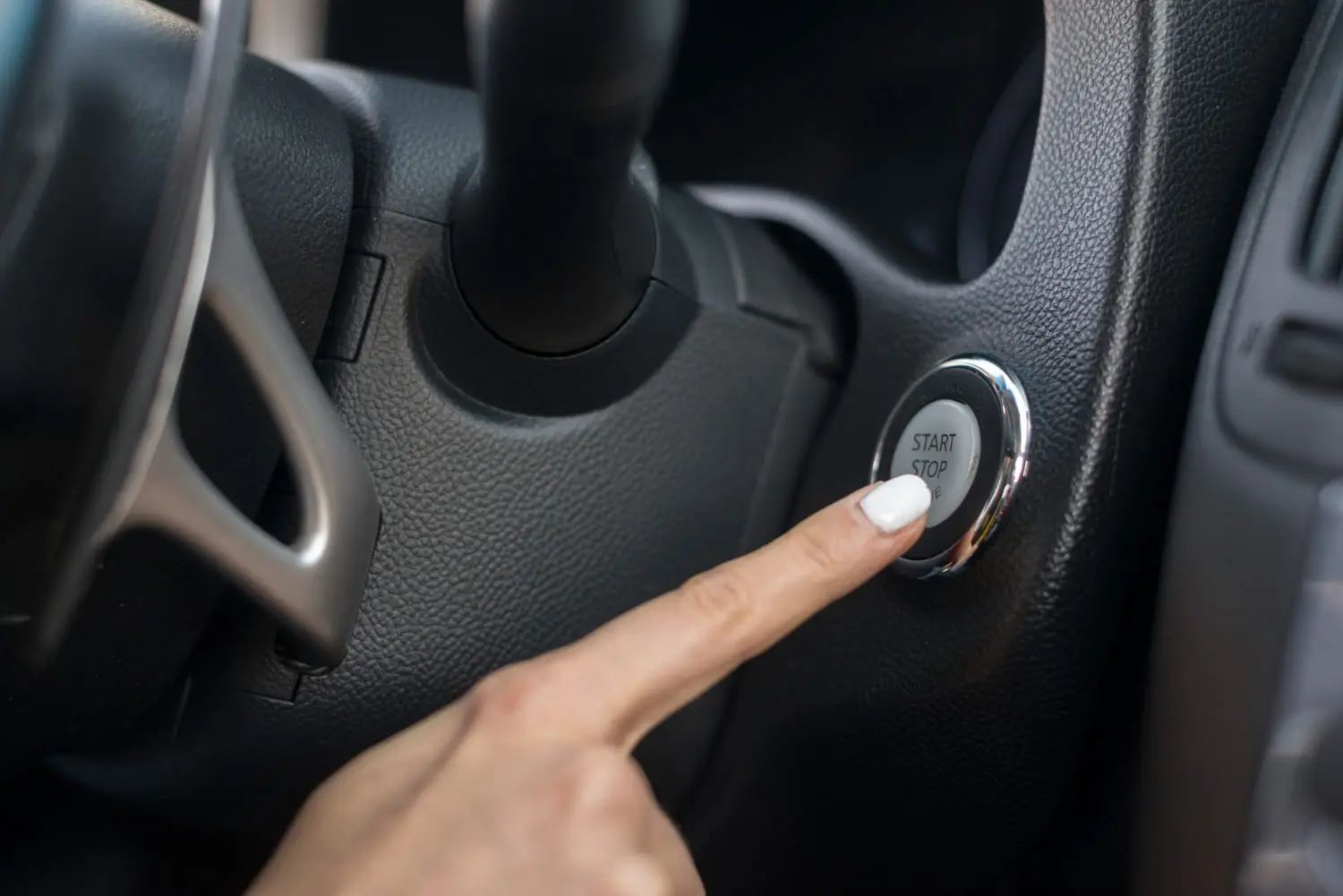
While keyless entry and push-to-start ignitions offer immense driver convenience, they remain heavily targeted by tech-savvy thieves. A classic keyless relay attack involves two perpetrators utilizing specialized radio frequency (RF) amplifiers. One thief stands near your home or office where your smart key fob is resting, while the second stands next to your car. The first device captures the passive low-frequency wake-up signal emitted by your fob, amplifies it, and relays it over a long-range frequency to the second device near the vehicle.
The vehicle is tricked into believing the physical key is right next to the door handle. It unlocks, enables the ignition, and allows the thieves to drive away. In 2026, this threat has mutated with next-generation signal cloning. Sophisticated attackers now use ultra-wideband (UWB) sniffing equipment to record rolling code algorithms over time, allowing them to map out and predict the next cryptographic token your keyless entry system will generate. This lets them unlock your vehicle long after you have walked away, without needing to be near your physical key fob in real-time.
Rogue Charging Stations: Juice Jacking via EV Infrastructure
As electric vehicles dominate the 2026 landscape, public charging infrastructure has become a primary target for physical and remote software manipulation. When you plug a high-speed Combined Charging System (CCS) or North American Charging Standard (NACS) connector into your vehicle, the cable does significantly more than deliver raw electricity. It establishes a high-bandwidth digital data link between the vehicle’s battery management system (BMS) and the grid infrastructure to exchange payment processing details, firmware status, and diagnostic telemetry.
This digital connection opens the door to automotive juice jacking. Threat actors can compromise public charging stations or install malicious inline hardware intercepts inside the physical terminal. Once connected to an unsuspecting vehicle, the rogue station attempts to exploit protocol flaws in the vehicle’s communication controller. A successful exploit can allow the attacker to extract sensitive owner data, plant persistent malware inside the vehicle's telematics unit, or even manipulate battery charge limits to trigger thermal runaways.
Backend Cloud Server Exploits and Fleet-Wide Risks
The absolute highest-consequence threat facing modern automotive software does not occur at the vehicle level, but rather in the centralized cloud architecture maintained by vehicle manufacturers. Every 2026 connected vehicle continuously relies on an active API (Application Programming Interface) connection to a vendor cloud network. This connection powers your smartphone companion app, allowing you to remotely locate your car, honk the horn, precool the cabin, or flash the headlights.
If an attacker identifies a broken object-level authorization flaw within the manufacturer's central API servers, the consequences can be catastrophic. Instead of targeting one specific vehicle on a street corner, a cybercriminal can execute a broad command script that targets thousands of vehicles simultaneously. A breach of this scale could allow a malicious actor to systematically track live GPS coordinates, unlock door mechanisms across an entire regional delivery fleet, or disable ignition capabilities across thousands of consumer vehicles with a single coordinated stroke.
Regulatory Shield: UNECE WP.29 and What It Means for Drivers
As vehicles have transformed into highly connected digital endpoints, international regulatory bodies have stepped in to establish baseline security frameworks. The most significant development governing 2026 model-year vehicles is the widespread enforcement of the UNECE WP.29 regulations—specifically UN Regulation No. 155 (Cyber Security) and No. 156 (Software Updates). These sweeping standards mandate that automotive manufacturers implement strict security-by-design methodologies throughout the entire lifecycle of the vehicle, from initial blueprints to final road deployment.
Under these mandates, car manufacturers must secure their supply chains, enforce rigorous cryptographic validation on all internal system communications, and establish a dedicated Cyber Security Management System (CSMS). This means that your 2026 vehicle rolled off the assembly line with far tighter systemic protections than vehicles built just a few years prior, including hardware security modules (HSMs) designed to isolate and protect cryptographic keys within the vehicle's onboard computers.
Intrusion Detection Systems (IDS) Built Directly into Modern Vehicles
One of the most practical breakthroughs resulting from these global regulatory frameworks is the integration of native Automotive Intrusion Detection and Prevention Systems (IDPS). Much like the cybersecurity software that monitors enterprise corporate networks, an automotive IDPS constantly observes the data traffic moving across the vehicle's internal networks.
The IDPS establishes a baseline profile of what "normal" network communication looks like inside your car—such as the expected frequency of speed telemetry or climate control signals. If an attacker gains access to a peripheral component and attempts a CAN-bus injection attack, the IDPS recognizes the anomalous traffic, flags the unexpected data packets, and can actively block the unauthorized commands before they reach critical actuators like steering or braking. Furthermore, the system packages the attack data and transmits an alert back to the manufacturer’s security operations center to help develop a fleet-wide patch.
The Reality Check: While UNECE WP.29 establishes a vital regulatory shield, architectural compliance does not equal absolute immunity for the consumer. Regulatory frameworks protect against known baseline attack methodologies, but motivated threat actors constantly find novel zero-day vulnerabilities (previously unknown security flaws). Because the end-user remains the custodian of access credentials, physical ports, and smart keys, the driver remains a crucial link in the vehicle's security chain.
The Driver’s Cyber Defense Checklist: Practical Steps to Protect Your Vehicle
While regulatory frameworks like UNECE WP.29 build high walls around automotive software architectures, the end-user remains the custodian of access points, physical keys, and digital accounts. Practicing thorough vehicular cyber hygiene is non-negotiable for 2026 vehicle owners and fleet operators.
Securing Your Mobile App and Cloud Account
The smartphone application provided by your manufacturer is a powerful remote control for your vehicle. If a threat actor compromises your consumer cloud account, they gain instantaneous tracking, entry, and ignition capabilities.
-
Enforce Multi-Factor Authentication (MFA): Ensure that any mobile app connected to your vehicle requires biometrics (FaceID/Fingerprint) or a secondary authenticator app code to launch or execute commands.
-
Segment Your Accounts: Use a unique, complex passphrase for your automotive portal that is completely separate from your personal email or banking passwords.
Managing Over-the-Air (OTA) Updates Wisely
OTA patches are vital for fixing software flaws, but updating your vehicle on insecure, public networks opens up interception vectors.
-
Restrict Update Environments: Configure your vehicle's system settings to only download major firmware updates when connected to a known, secure home Wi-Fi network rather than public hotspots or low-tier cellular basestations.
-
Verify Verification Flags: Never accept an update that displays a cryptographic signature error or safety warning on your dashboard. If a download fails repeatedly, have a certified technician audit the software integrity via diagnostic tools.
Deploying Physical Barriers for Digital Exploits
Physical access can easily translate into a digital compromise. Protecting physical vulnerabilities actively thwarts remote signal relay attacks.
-
Utilize Faraday Infrastructure: Smart key fobs constantly broadcast rolling code signals. Store your key fobs inside a high-quality Faraday pouch or box when at home or work to completely block attackers from amplifying and relaying your key's passive signature.
-
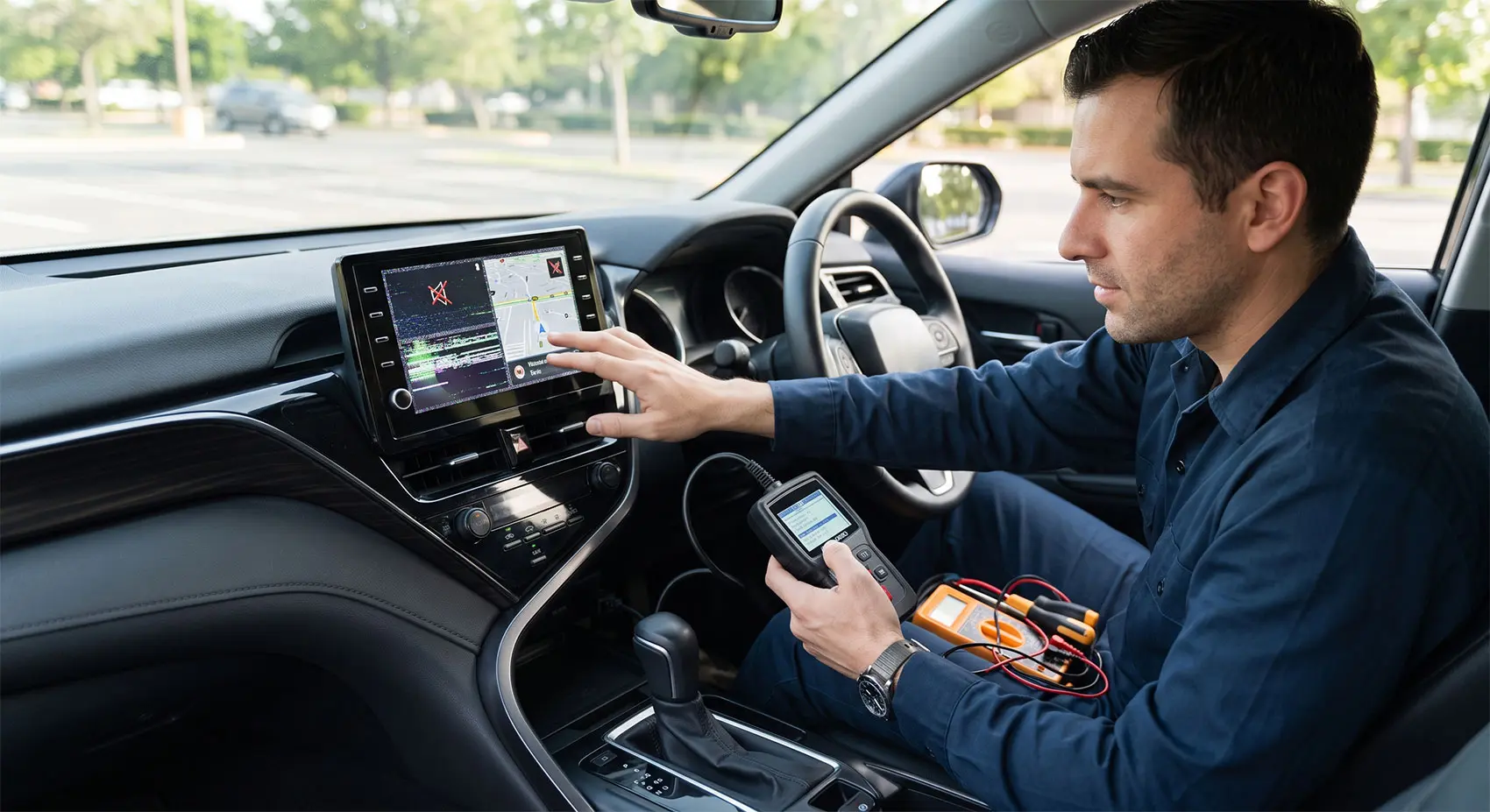
Install an OBD-II Port Lock: The On-Board Diagnostics (OBD-II) port located under your steering column provides direct, raw access to your vehicle's internal CAN-Bus. Installing a physical, key-locked metal shroud over this port prevents valet drivers, rogue mechanics, or physical intruders from plugging in bypass tools to rewrite your key configuration files.
Conclusion
The transition of the automotive industry into the era of Software-Defined Vehicles represents an incredible leap forward in human engineering. We now enjoy vehicles that grow smarter over time, anticipate maintenance needs before mechanical failures occur, and interface seamlessly with our digital lives. However, this profound shift fundamentally alters the contract of vehicle ownership. The convenience of a car running on hundreds of millions of lines of code naturally commands a heightened level of vigilance.
As we navigate 2026 and beyond, securing a vehicle can no longer be viewed as a passive, "set-it-and-forget-it" consideration left entirely to manufacturing plants. While robust international frameworks like UNECE WP.29 force automakers to implement cutting-edge structural shields—such as hardware security modules and automotive intrusion detection systems—the final layer of operational security always comes down to the individual driver or fleet manager.
By treating your automotive mobile apps with the same high-security discipline as a financial account, managing your over-the-air update environments deliberately, and utilizing physical barriers like Faraday enclosures and OBD-II shrouds, you effectively neutralize the vast majority of opportunistic remote exploits. Embracing the future of smart transportation does not require operating out of fear; it simply requires moving forward with conscious, proactive digital hygiene. Protecting your car’s code is ultimately how you protect your journey.



Written by Kousar Shabbir
Published Jul 7, 2026 in Auto Tech.