
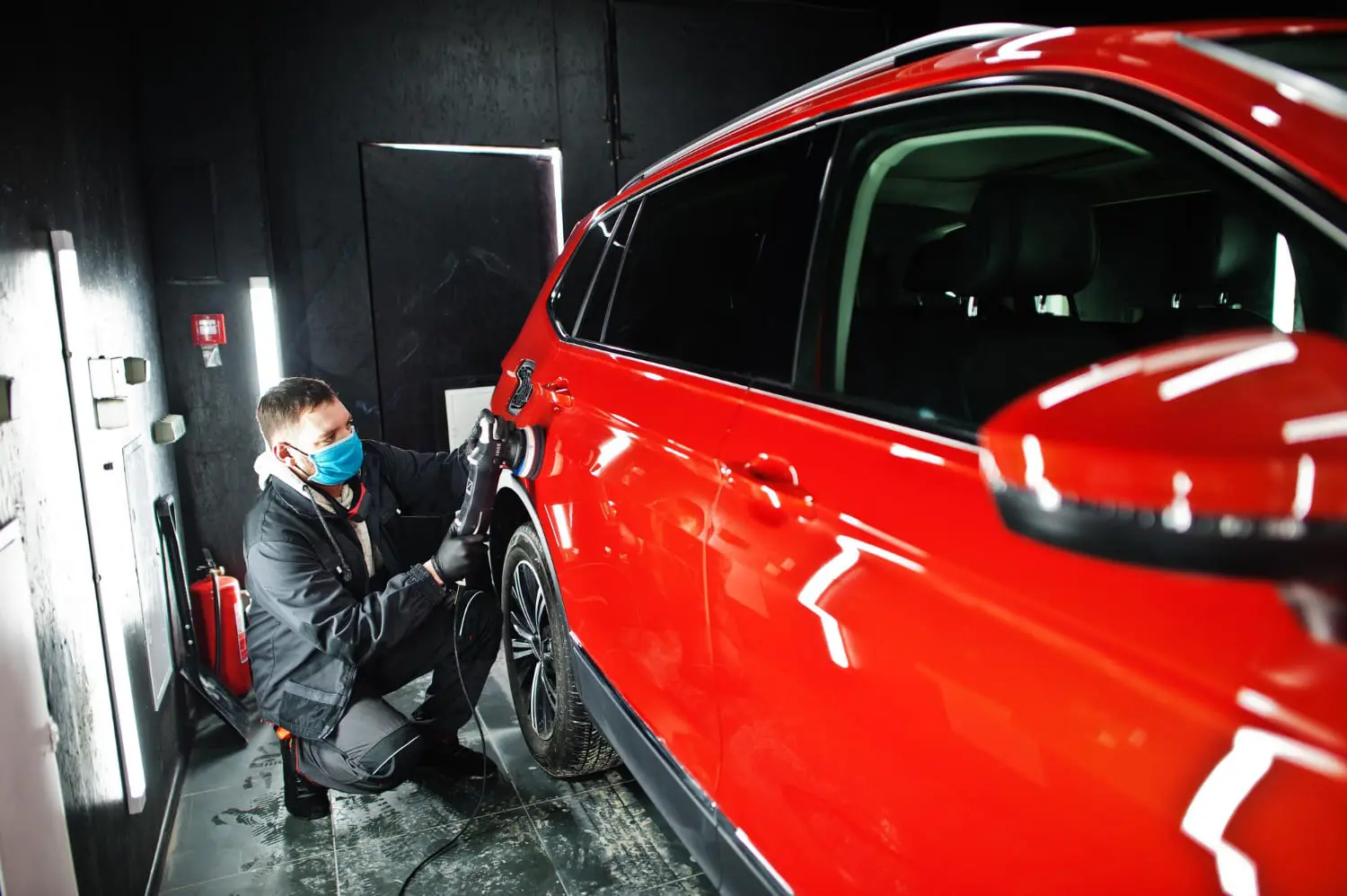
Keeping a car looking clean and new takes more work than many people expect. Every time you drive, the paint faces sunlight, dust, rain, bird droppings, insects, road dirt, and small stones. Over time, these things can reduce shine and leave marks on the surface. This is why many car owners look for a good paint protection option. Two of the most popular choices are ceramic coating and Paint Protection Film, also known as PPF. Both are designed to protect the exterior of a vehicle, but they do not work in the same way. Ceramic coating is a liquid layer that bonds with the paint and helps with shine, water resistance, and easier cleaning. PPF is a clear film that sits on top of the paint and offers stronger protection against physical damage such as chips and light scratches. Protecting paint is also about keeping the car pleasant to own. A clean finish can make an older vehicle feel newer, and good protection may reduce the need for polishing, touch-up work, or frequent correction later. It can also support resale presentation because buyers often notice clean original paint when comparing similar used cars in the same age range today.
The main question for most drivers is whether the higher cost of PPF is worth it compared with ceramic coating. The answer depends on your budget, the value of your car, how often you drive, and the type of damage you want to prevent. Ceramic coating usually costs less and is a strong choice for people who want gloss and easier maintenance. PPF usually costs more because it creates a thicker physical barrier over the paint. It can be especially useful for new cars, luxury vehicles, highway drivers, and owners who want to keep the original paint in better condition. In this guide, we will compare ceramic coating vs. PPF based on cost, durability, protection, maintenance, and overall value so you can decide which option fits your needs. Before choosing either option, think about where the car spends most of its time. Daily highway use, outdoor parking, heavy traffic, dusty roads, and frequent washing can all change which type of protection gives you more value.
What Ceramic Coating and PPF Actually Do
Ceramic coating is a liquid protection product that is applied to the painted surface of a car. After it cures, it bonds with the clear coat and creates a smooth protective layer. One of its biggest benefits is water resistance. Water tends to form beads and roll away more easily, which can help reduce how much dirt stays on the surface. Ceramic coating can also make bird droppings, bug remains, road grime, and other contamination easier to remove when the car is washed. It also adds gloss and can help the paint keep a cleaner and deeper appearance. Another benefit is protection from sunlight and chemical exposure. However, ceramic coating is very thin. It does not create a strong shield against stone chips, deep scratches, dents, or other forms of physical impact. Another useful point is that ceramic coating does not remove existing damage. Scratches, faded paint, and swirl marks should be corrected before application if you want the best finish. The coating protects the surface you already have.
Paint Protection Film works differently because it is a clear sheet of material that is installed directly over painted body panels. Most modern PPF is made from thermoplastic polyurethane, which is flexible and designed to absorb minor impact. This makes PPF much better for protecting against stones, small road debris, light scratches, and scuffs. Many premium films also have self-healing properties, which means very light marks in the film can become less visible when the surface becomes warm. PPF does not make a vehicle impossible to damage, but it provides a much stronger physical barrier than ceramic coating. This is the most important difference between the two options. Ceramic coating mainly improves surface protection, shine, and cleaning, while PPF mainly protects against physical contact and impact. PPF also needs a clean and properly prepared surface before installation. If dirt or paint defects are trapped underneath the film, they may remain visible. Good preparation helps the film look clearer and reduces the chance of installation problems.
Ceramic Coating vs PPF Cost
Ceramic coating is usually the more affordable choice. Professional pricing can vary depending on the size of the vehicle, the condition of the paint, the type of coating, and the amount of preparation needed before application. In many markets, a professional ceramic coating package may cost around $800 to $2,500. Some basic services cost less, while high-quality coatings with detailed paint correction can cost more. Paint correction is often an important part of the process because a coating can lock in the appearance of the surface underneath it. If the paint has swirl marks, scratches, oxidation, or other defects, the installer may polish the vehicle before applying the coating. This adds time and labor, but it can create a much cleaner final result. Prices also depend heavily on location and installer quality. A very cheap package may use a basic product or include less preparation. When comparing quotes, check exactly what is included instead of looking only at the final number.
PPF normally costs more because the film itself is more expensive and the installation takes more time and skill. A partial front package may cover areas such as the bumper, hood, front fenders, and mirrors. In many United States markets, this type of package can cost around $1,500 to $3,500. Full body PPF can cost around $4,000 to $8,000 or more, especially for large SUVs, luxury cars, sports cars, or vehicles with complex body shapes. The price can also change depending on the film brand and the quality of the installer. The good news is that full body coverage is not always necessary. Many drivers choose PPF only for high-impact areas and use ceramic coating on the rest of the car. This can reduce cost while still giving strong protection where it matters most. Partial PPF can be a smart middle option because the front of a car usually receives the most road damage. Protecting only these areas can lower the total bill while still helping prevent many common chips and marks.
Ceramic Coating vs PPF Durability and Protection
Durability is one of the biggest differences between ceramic coating and PPF. A quality ceramic coating can last for several years, but the exact lifespan depends on the product, the environment, and how well the vehicle is maintained. Many professional coatings are designed to provide useful protection for around two to seven years. Some premium products may come with longer guarantees. However, the real-life result depends on regular washing, storage, climate, and the chemicals used during cleaning. A car that is washed correctly and parked indoors may keep its coating in good condition for longer than a car that spends every day in harsh sunlight and is cleaned with strong chemicals. Ceramic coating can remain effective for a long time, but it still needs proper care. Durability also depends on maintenance habits. Automatic car washes with harsh brushes, strong chemicals, and poor drying methods can damage the surface over time. Gentle hand washing and suitable products can help both protection systems perform better.
PPF is generally chosen for stronger physical protection and can also last many years when installed and maintained correctly. Many quality films are expected to last around five to ten years, and some premium options include long manufacturer warranties. PPF is much better than ceramic coating at stopping stone chips because the film absorbs the impact before it reaches the paint. It can also reduce damage from light scratches, scuffs, insects, and road debris. Ceramic coating can provide some resistance to very light marks, but it should not be treated as a scratch-proof or chip-proof solution. If you drive regularly on highways, rough roads, or areas with loose gravel, PPF offers a clear advantage. If your main concern is dirt, water, sunlight, and easier washing, ceramic coating may provide enough protection. Climate matters as well. Strong sunlight, very high temperatures, winter salt, pollution, and frequent rain can affect exterior protection differently. Drivers in harsh conditions should follow the product maker and installer advice for cleaning, inspection, and care.
Which One Offers Better Value for Your Car?
Ceramic coating offers strong value for drivers who want better appearance and easier maintenance without paying the higher price of PPF. It can make paint look deeper, smoother, and glossier while helping water and dirt move away from the surface. This is useful for people who wash their cars often and want cleaning to take less effort. It can also be a good option for daily city cars that do not face constant stone impact. For an older vehicle or a car with a moderate market value, spending several thousand dollars on full body PPF may not make financial sense. In that situation, ceramic coating can provide a useful level of protection at a more reasonable cost. The important thing is to understand its limits and not expect it to stop chips or deep scratches. For many everyday cars, ceramic coating offers a sensible balance of cost and convenience. It gives owners visible benefits every time they wash the vehicle, while PPF makes more sense when avoiding chips and preserving factory paint are bigger priorities.
PPF can offer better value for owners who care most about preserving the original paint. This can include buyers of new cars, luxury vehicles, sports cars, collectible models, and cars that spend a lot of time on highways. A single stone chip on the hood may be small, but repeated chips can make the front of a vehicle look worn. Repairing or repainting panels can also be expensive, especially when color matching is difficult. PPF can help reduce that type of damage before it happens. A practical approach is to install PPF on the front bumper, hood, fenders, and mirrors instead of covering the whole car. This gives strong impact protection in the most exposed areas while keeping the total cost lower. For many owners, this creates a good balance between price and durability. You can also combine both products without covering the full car in film. PPF on the bumper, hood, front fenders, and mirrors can handle impact, while ceramic coating on compatible surfaces can improve gloss, water behavior, and cleaning.
Conclusion
Ceramic coating and PPF are both useful forms of car paint protection, but they are designed for different priorities. Ceramic coating is usually more affordable and is a strong choice for drivers who want extra gloss, water resistance, easier cleaning, and protection from everyday environmental contamination. PPF is more expensive, but it gives the paint a physical barrier that can protect against stone chips, light scratches, road debris, and other minor impacts. In terms of lifespan, many professional ceramic coatings can provide protection for several years, while quality PPF can often last around five to ten years with correct care. The higher price of PPF is mainly connected to the cost of the material, the detailed installation process, and the stronger level of physical protection it provides. Neither option should be treated as a permanent solution. Both will slowly wear with use and exposure. Regular inspection helps you notice reduced water behavior, film damage, lifting edges, or other signs that maintenance or replacement may be needed.
The best choice depends on how you use your vehicle and what type of damage worries you most. If you mainly drive in the city and want your car to stay glossy and easier to clean, ceramic coating may give you the value you need. If you drive long distances, spend a lot of time on highways, own an expensive vehicle, or want to protect the original paint from chips and scratches, PPF may be worth the extra cost. If your budget allows, using PPF on high-impact areas and ceramic coating on the rest of the vehicle can give you a balanced solution. Instead of choosing only by price, think about your driving conditions, how long you plan to keep the car, and how important the original paint is to you. The best value comes from matching the protection to the car instead of simply buying the most expensive package. A clear understanding of your driving habits, budget, ownership plans, and expectations can help you spend money where it matters most for all the years you own it.

Written by Kousar Shabbir
Published Sep 25, 2026 in Comparisons.



