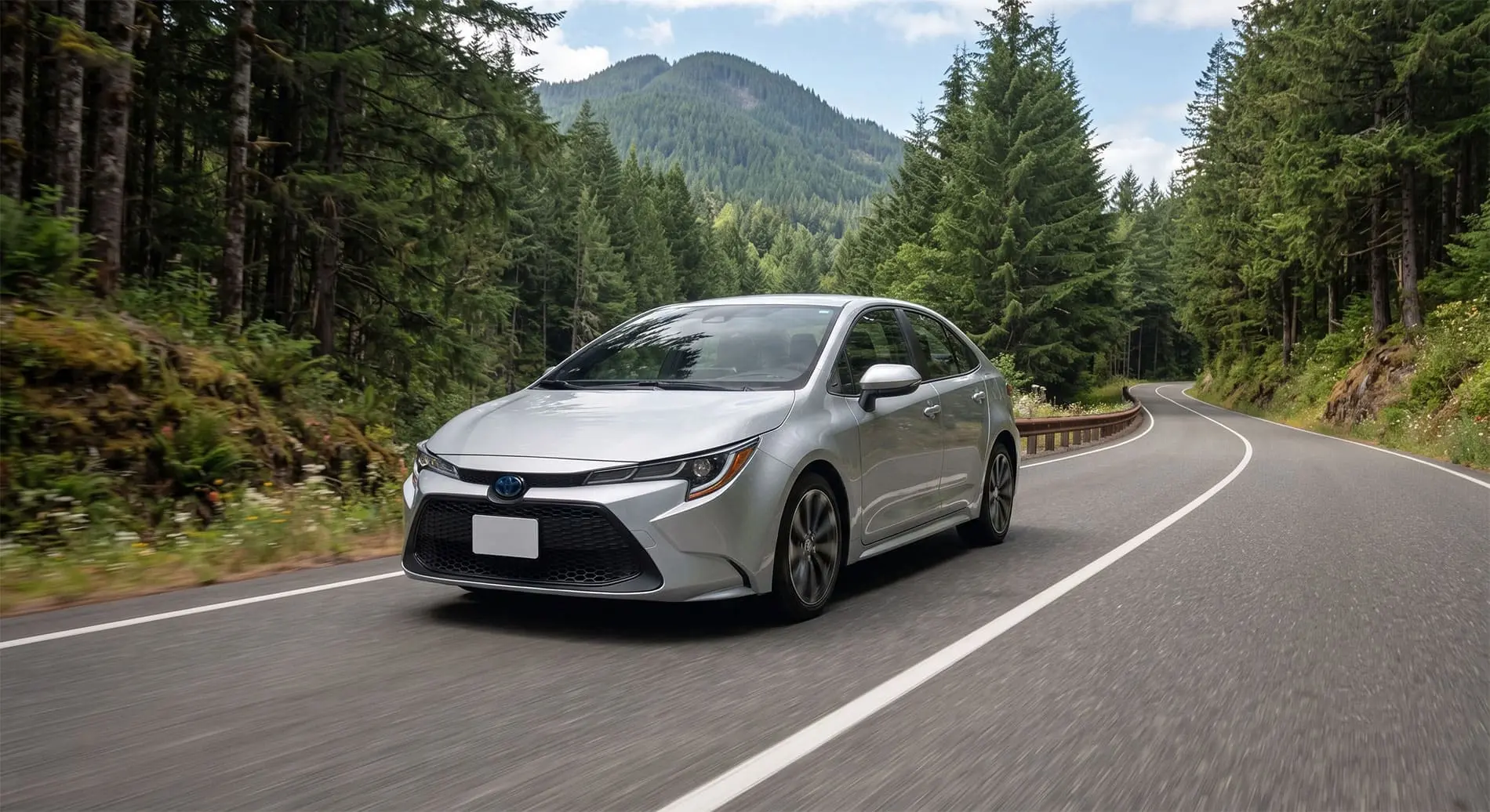
For decades, the Toyota Corolla has been the gold standard for automotive reliability, a "set it and forget it" machine that has ferried millions of drivers across the globe. However, even the most legendary nameplates are not immune to the complexities of modern engineering. As we move into the 2026 automotive market, the 2019–2024 Toyota Corolla models represent a fascinating bridge between traditional mechanical simplicity and the dawn of advanced, software-heavy vehicular integration. Buying a used car in this specific window is a strategic move—you are tapping into a sweet spot of modern safety features, refined fuel economy, and proven longevity—but it is also a landscape fraught with hidden pitfalls if you do not know where to look.
The used car market is currently more volatile than it has been in years. With fluctuating inventories and the increasing complexity of vehicle tech stacks, "taking the seller's word for it" is a recipe for post-purchase regret. When you walk onto a dealership lot or meet a private seller, you are not just looking at a mode of transportation; you are evaluating a sophisticated piece of hardware. A well-maintained Corolla from this generation can easily surpass the 200,000-mile mark, but a neglected one—or one that has been "digitally scrubbed" of its error history—can quickly become a financial liability.
This guide is designed for the savvy buyer who understands that peace of mind is not a luxury; it is a prerequisite. Whether you are a first-time buyer looking for a dependable daily commuter or an experienced enthusiast searching for a reliable secondary vehicle, this checklist will serve as your ultimate defense. We will move beyond the superficial "check the oil" advice and dive into the technical nuances that define the 12th-generation experience, helping you distinguish between a vehicle that has been cared for and one that is merely masquerading as a gem. By the end of this article, you will be equipped to walk away from bad deals and secure the reliable Corolla you deserve.
The 2019–2024 Evolution – Knowing What You’re Buying
To truly understand the value proposition of a used 2019–2024 Toyota Corolla, one must appreciate the engineering shift that occurred with the introduction of the 12th generation. Built upon the Toyota New Global Architecture (TNGA-C) platform, these models represent a significant departure from the utilitarian, somewhat uninspired Corollas of the past. The TNGA platform lowered the center of gravity, increased structural rigidity, and fundamentally altered the handling dynamics. When you are test-driving a model from this era, you are experiencing a vehicle designed to be more planted and responsive, which is a crucial data point to keep in mind—if a 2020 Corolla feels "floaty" or loose in the steering, that is a mechanical red flag, not a character trait.
The evolution of this generation is not uniform. The 2019–2022 models established the new look, but the 2023–2024 refresh brought a much-needed overhaul to the infotainment and safety suites. If your budget permits, the 2023+ models offer the Toyota Safety Sense 3.0, which features more advanced camera and radar sensors compared to the 2.0 system found in earlier models. When inspecting these vehicles, pay close attention to the trim hierarchy. The LE is the volume-seller, built for efficiency; the SE offers a sport-tuned suspension and a more aggressive aesthetic; while the XSE provides the full suite of creature comforts.
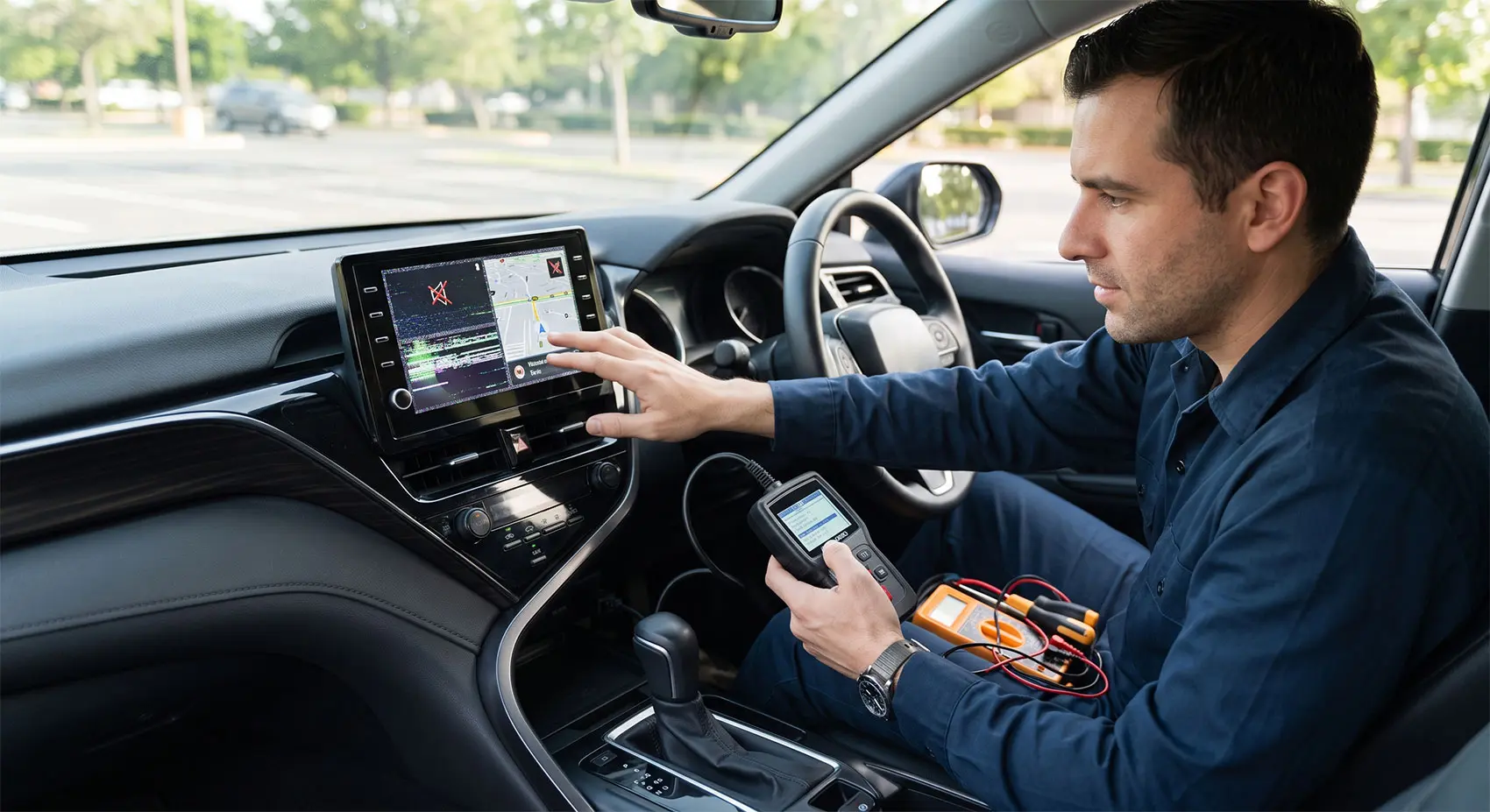
From a technical architectural perspective, software integration became a major focus during this period. Unlike older vehicles where a "check engine" light was the primary diagnostic path, these Corollas feature complex electronic control units (ECUs). A savvy buyer should not just look at the dashboard; they should consider using an OBD-II scanner to check for "pending" codes or to verify if the monitors have been reset recently—a common tactic used to mask intermittent issues before a sale. Understanding these tiers and the tech leap between 2022 and 2023 is your first step in ensuring you aren't overpaying for an older, less capable system.
The "Technical Deep-Dive" – Mechanical & Digital Health
When you move beyond the exterior, the 12th-generation Corolla presents a unique set of variables that require a disciplined inspection approach. The most critical component to evaluate is the Direct Shift CVT (Continuously Variable Transmission). Unlike traditional automatic transmissions that utilize fixed gear ratios, the CVT in these models relies on a steel belt-and-pulley system. While highly efficient, it can be sensitive to fluid degradation. During your test drive, pay close attention to the transition from a standstill to acceleration. Any hesitation, "rubber-banding" sensation, or irregular surging is a potential red flag. Ask the seller for service records specifically regarding the transmission fluid; if they cannot provide proof, proceed with caution, as high-mileage CVTs that have never seen a fluid change are significantly more prone to premature failure.
However, the "COO/Technical" edge you bring to this process is the assessment of the vehicle's digital footprint. Modern vehicles are essentially rolling data centers, and a "clean" dashboard can sometimes be deceptive. Use an OBD-II (On-Board Diagnostics) scanner to perform a thorough scan. You are not just looking for active "Check Engine" lights—those are easy to spot. You are looking for "Pending" codes or the status of the I/M (Inspection/Maintenance) monitors. If the monitors have been recently "reset" or show as "not ready," it is a strong indicator that the battery was recently disconnected or a diagnostic trouble code was cleared by the seller shortly before you arrived. This is a common tactic to hide intermittent electrical gremlins or emission-related issues.
Finally, do not neglect the physical components that bear the brunt of daily use. Inspect the suspension bushings and steering rack boots for signs of fluid weeping or excessive cracking. Because the TNGA platform uses a sophisticated multi-link rear suspension in some trims, check for uneven tire wear, which can often point to alignment issues or, more severely, underlying frame stress from a previous impact. A Corolla that feels "loose" or makes audible metallic clicking during slow-speed turns is a Corolla that has lived a hard life, regardless of what the odometer reads. Your goal is to find a vehicle where the mechanical reality matches the digital history.
The Ultimate Pre-Purchase Checklist
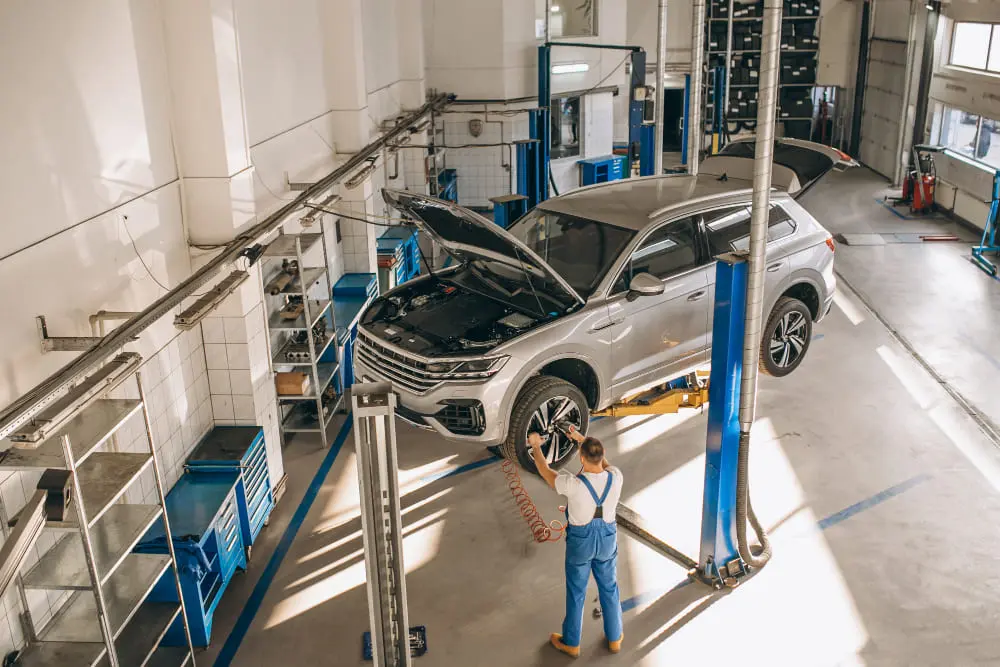
When you are physically inspecting a 2019–2024 Corolla, you must adopt a methodical, almost forensic mindset. Start with the "Under the Hood" inspection. Even if the engine bay has been detailed (a common tactic to hide leaks), look closely at the valve cover gaskets and the area around the timing chain cover. On a vehicle of this age, any signs of oil "sweating" or grime accumulation indicate a potential long-term leak that may eventually require expensive repairs. Check the coolant reservoir; if you see a milky or oily residue floating on top, walk away immediately—this is a classic symptom of a failing head gasket, which is a catastrophic failure point for any internal combustion engine.
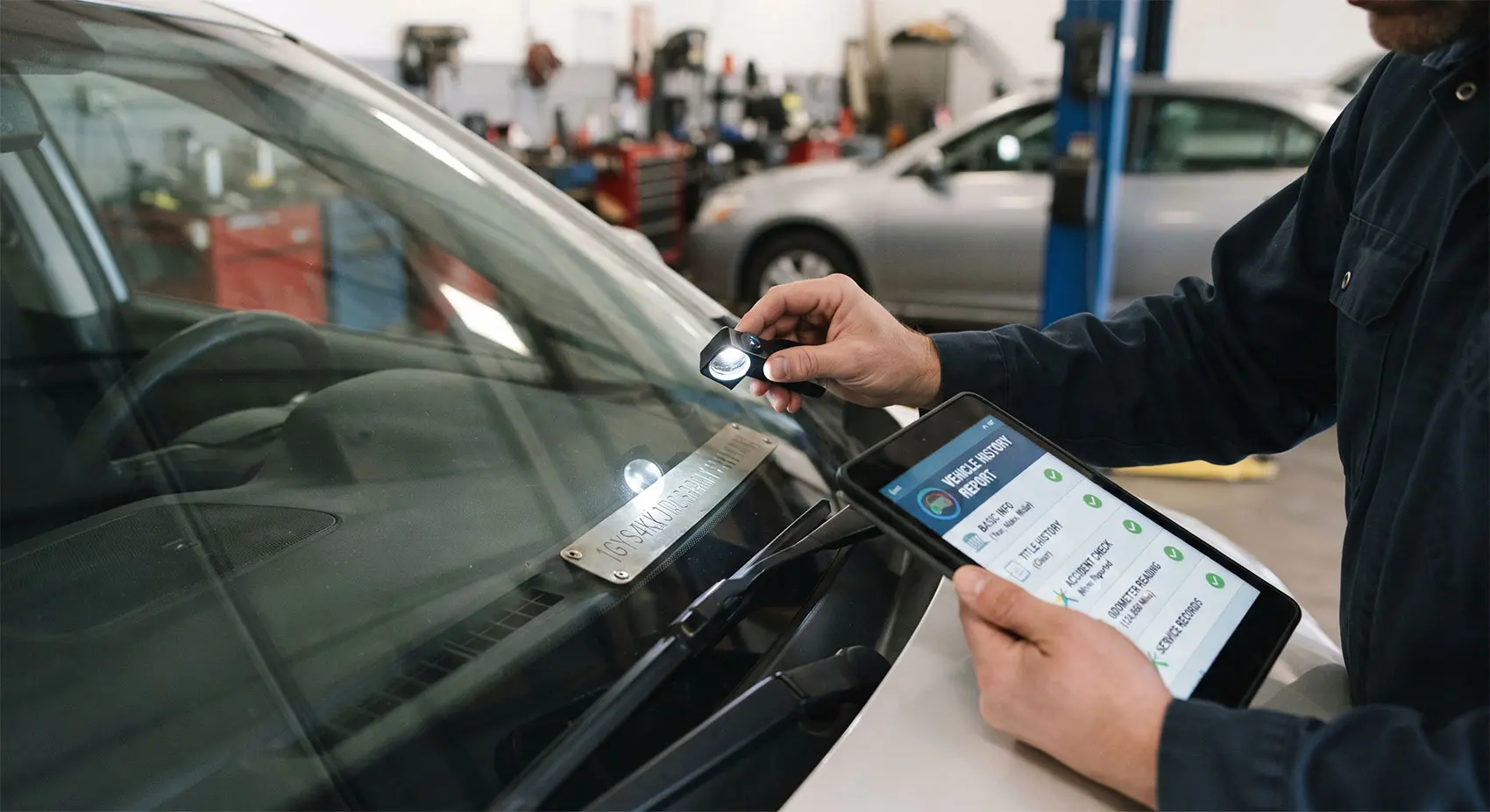
Move to the exterior and interior, where the difference between "aged" and "abused" becomes clear. Inspect the gaps between body panels—specifically around the hood, fenders, and trunk. Uniformity is key here. If you notice uneven spacing, it could indicate that the vehicle was involved in a collision and repaired with aftermarket parts that don't fit to factory specifications. Check the glass markings; every window should have the same manufacturer stamp. If one window is different, it has likely been replaced due to damage or theft. Inside the cabin, focus on the high-touch areas: the steering wheel, seat bolsters, and pedals. If a car has 30,000 miles on the odometer but the leather on the steering wheel is worn smooth or the driver’s seat bolster is collapsing, the mileage has likely been tampered with or the car has led an incredibly hard life, such as being used for ride-sharing.
Finally, verify the history report with a critical eye. Do not just look at the "Clean Title" status. Look for gaps in maintenance records. A Toyota Corolla is a vehicle designed for consistent, scheduled maintenance; if there is a two-year period where no service is recorded, you have to ask yourself what happened during that time. Was it sitting in a yard? Was it being serviced at a shop that doesn't report to Carfax? Cross-reference the VIN with the official Toyota service portal if possible—this will give you the most accurate data regarding warranty work and factory-recommended services performed at authorized dealerships. This level of verification turns you from a casual buyer into an informed investor, ensuring your money goes toward a reliable asset rather than someone else's neglected problem.
Red Flags & Deal Breakers
The most challenging aspect of buying a used vehicle is knowing exactly when to walk away. In the context of the 2019–2024 Corolla, you must be particularly vigilant for "hidden" damage. One of the primary red flags is evidence of flood damage, which has become increasingly common in the used market. Look for signs of corrosion in places where it shouldn't exist, such as the seat mounting bolts under the cushions, the electrical connectors tucked behind the glove box, or the spare tire well in the trunk. If you detect a lingering "musty" or "damp" odor that smells like heavy cologne or cleaner, be extremely cautious—this is often used to mask the scent of mold resulting from water intrusion.
Regarding the transmission, you must distinguish between the "characteristics" of a CVT and genuine failure. A CVT will feel different than a traditional automatic; it will hold RPMs at a constant level during acceleration rather than "shifting" through gears. However, if the car shudders, hesitates, or experiences a noticeable delay when you shift from Park to Drive or Reverse, the transmission control module or the belt system itself may be failing. If the vehicle has an abnormally high amount of "flaring" (where the engine RPMs rise significantly without a corresponding increase in speed), do not accept the seller's claim that this is "normal CVT behavior."
Finally, trust your intuition regarding the seller's transparency. If you ask for maintenance records and are told they were "lost," or if the seller is eager to push the sale forward before you can perform a thorough OBD-II scan or a professional pre-purchase inspection, that is your cue to exit. A seller with nothing to hide will welcome your due diligence. If you spot signs of amateur, "quick-fix" repairs—like mismatched paint on the interior panels, over-sprayed rubber seals, or non-factory wiring tucked haphazardly under the dashboard—walk away. There are millions of Corollas on the road; there is no reason to inherit someone else’s compromised vehicle. A single red flag is a warning, but two or more constitute a deal-breaker.
Conclusion: Making the Final Decision
Buying a used 2019–2024 Toyota Corolla is one of the most pragmatic financial decisions you can make in the current automotive market. You are investing in a vehicle platform that has been refined through years of engineering data, offering a blend of efficiency, safety, and long-term reliability that few competitors can match. However, as we have explored, the "legendary" status of the Corolla does not absolve you from the responsibility of conducting a thorough inspection. By focusing on the nuances of the CVT transmission, utilizing an OBD-II scanner to uncover hidden digital histories, and meticulously inspecting the vehicle for signs of wear or improper repair, you are effectively filtering out the outliers and noise of the used market to find a machine that will serve you reliably for years to come.
Ultimately, the best Corolla for you is one that aligns with your specific needs—whether that is the fuel-efficient LE for commuting, the sportier SE for driving dynamics, or the tech-forward 2023+ models for an enhanced safety suite. Take your time, do not let "market pressure" or seller urgency force your hand, and always remember that a "great deal" is only great if it doesn't come with the baggage of a prior owner's neglect. You now have the checklist, the technical insight, and the professional mindset to navigate this purchase with confidence. Whether you are buying from a certified dealership or a private party, keep this guide at your side. Your diligence today is the foundation for your peace of mind on the road tomorrow.



Written by Kousar Shabbir
Published Jul 6, 2026 in Buying Guides.