
Buying a used car is a popular way to save money, especially when new vehicle prices are high. Many buyers look at fleet and rental vehicles because they often cost less than similar cars sold by private owners. These vehicles may look clean, have modern features, and come with regular maintenance records. However, their lower prices can raise an important question. Are you getting a reliable car at a good price, or are you buying a vehicle with hidden problems that could lead to expensive repairs?
Buying a fleet or rental vehicle can be a smart decision, but it also involves certain risks. These cars often spend their early years being driven by different people or used for daily business activities. Some receive excellent care, while others experience heavy use. Understanding their history, maintenance, mileage, and mechanical condition is essential before making a purchase. This guide explains the advantages, possible repair problems, and important inspection steps to help you decide whether a former fleet or rental vehicle is worth your money.
What Are Fleet and Rental Vehicles?
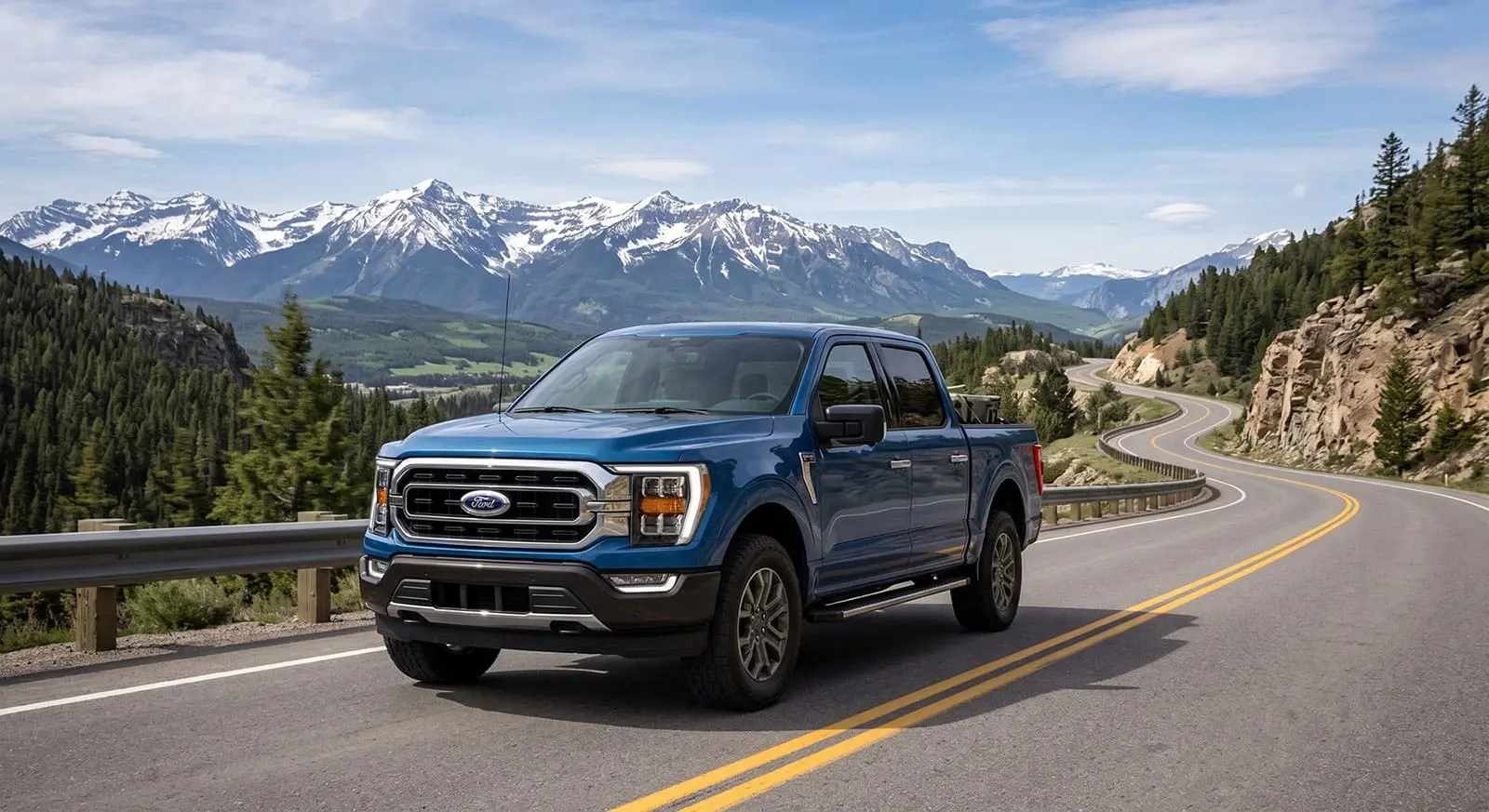
Fleet vehicles are cars, vans, SUVs, or trucks owned by businesses, government departments, or other organizations. Companies use them for employee transportation, deliveries, sales visits, and daily business operations. Instead of purchasing vehicles individually for personal use, organizations often buy several vehicles together. After a certain period, these vehicles are replaced and sold through dealerships, auctions, or company sales programs.
Rental vehicles are different because they are used by customers who rent them for short periods. Rental companies purchase cars and make them available to travelers, tourists, and other drivers. When the vehicles reach a certain age or mileage, they are often sold in the used car market. Both types can offer good value, but their condition depends heavily on how they were driven and maintained.
How Fleet and Rental Cars Are Used
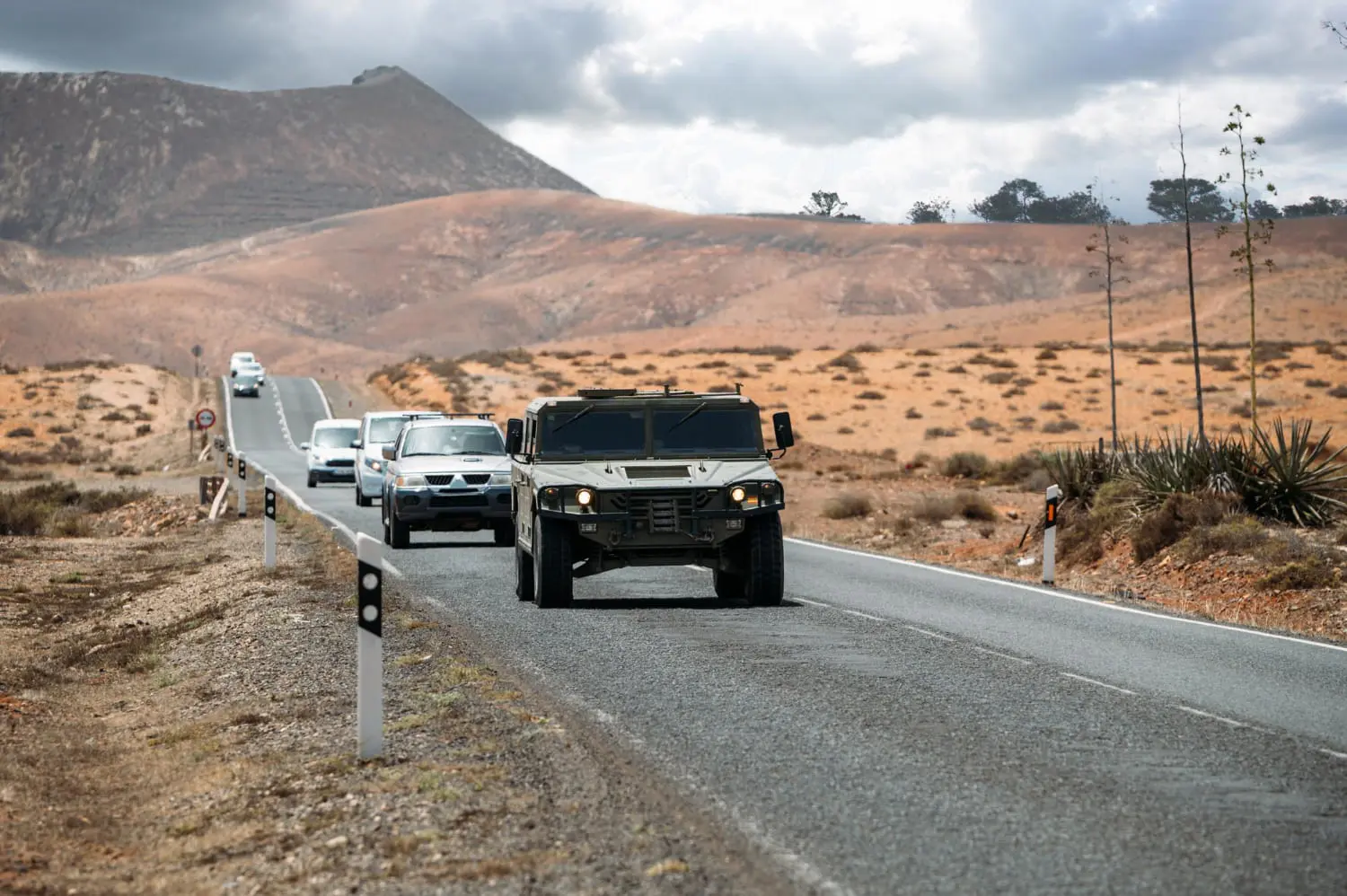
A company fleet vehicle may have one regular driver or several employees sharing it. Some are used mainly on highways, while others spend hours in city traffic. Highway driving can be less demanding on certain mechanical parts than constant stopping and starting. However, vehicles used for deliveries or frequent short trips may experience more brake wear, suspension problems, and engine stress.
Rental cars usually have many different drivers during their service life. Some customers drive carefully, while others may accelerate aggressively, brake suddenly, or ignore road conditions. Drivers may also be unfamiliar with the vehicle's controls and handling. This does not mean every rental car has been abused, but it makes a detailed inspection especially important.
Benefits of Buying a Fleet or Rental Vehicle
One major advantage of buying a former rental or fleet car is its potentially lower purchase price. Businesses often replace vehicles according to company schedules rather than waiting until they become unusable. This can make relatively modern vehicles available to used car buyers. Depending on the model, mileage, condition, and local market, some vehicles may sell for less than comparable privately owned cars.
Another possible benefit is access to maintenance records. Many large organizations follow service schedules to keep their vehicles working and reduce unexpected breakdowns. Regular oil changes, tire replacements, brake checks, and mechanical inspections may be documented. These records can help buyers understand how well a vehicle was maintained. However, never assume that every fleet operator or rental company follows the same standards.
Lower Prices and Better Value
Used rental cars can attract buyers who want a newer vehicle without paying the full price of a new model. Some may include useful features such as reversing cameras, parking sensors, smartphone connectivity, and modern safety systems. A buyer with a limited budget might find a better equipped vehicle than expected.
Still, a low price does not automatically make a car a good deal. Compare the asking price with similar vehicles of the same year, model, mileage, and condition. Also consider taxes, insurance, registration, and possible repairs. A car that initially saves you money may become expensive if important mechanical parts need replacement shortly after purchase.
Regular Maintenance and Vehicle Availability
Large rental companies often maintain their vehicles because breakdowns can affect customers and business operations. Some also provide limited warranties, vehicle history information, or return options. These protections vary by seller and location, so buyers should read the actual terms before making a decision.
Fleet and rental sales may also provide access to several vehicles of the same model. This makes comparison easier because buyers can examine different mileage levels, equipment packages, and overall conditions. Instead of choosing the first available car, you can compare multiple examples and select the one with the strongest maintenance history and best mechanical condition.
Hidden Repair Risks You Should Know
The biggest concern when buying a former fleet or rental car is the possibility of hidden wear. A vehicle may look attractive after professional cleaning, but its engine, transmission, brakes, and suspension could have experienced demanding use. Cosmetic improvements cannot always reveal the condition of expensive mechanical components. This is why appearance alone should never determine your buying decision.
Another concern is that maintenance records may not tell the complete story. Some companies keep detailed records, while others may provide only basic information. Minor accidents, rough driving, or temporary mechanical problems might not appear in a vehicle history report. Even a clean report cannot guarantee that the vehicle has never suffered damage.
Engine and Transmission Problems
Engines and transmissions are among the most expensive vehicle components to repair. Frequent hard acceleration, poor maintenance, overheating, and heavy workloads can increase wear. During a test drive, pay attention to unusual engine noises, vibration, warning lights, and weak acceleration. These symptoms may indicate problems that need further investigation.
Transmission problems can also be costly. An automatic transmission should generally shift smoothly without unusual slipping, shaking, or long delays. Manual transmissions should engage gears properly without grinding or difficulty. If you notice anything unusual, ask a qualified mechanic to investigate before buying. Never rely only on a salesperson's explanation that the behavior is normal.
Brake, Tire, and Suspension Wear
Fleet and rental vehicles may experience significant brake wear because of frequent driving. City traffic, sudden stops, and unfamiliar drivers can place additional pressure on braking components. During inspection, check for unusual noises, vibration while braking, and uneven braking performance. Worn brake pads and damaged rotors may require replacement, increasing the actual cost of ownership.
Tires and suspension components also deserve attention. Uneven tire wear can indicate incorrect wheel alignment, damaged suspension parts, or neglected tire maintenance. Listen for knocking sounds when driving over bumps. A vehicle that pulls to one side or feels unstable may require repairs. Although some issues are relatively simple to fix, others can become expensive.
How to Inspect a Fleet or Rental Vehicle Before Buying
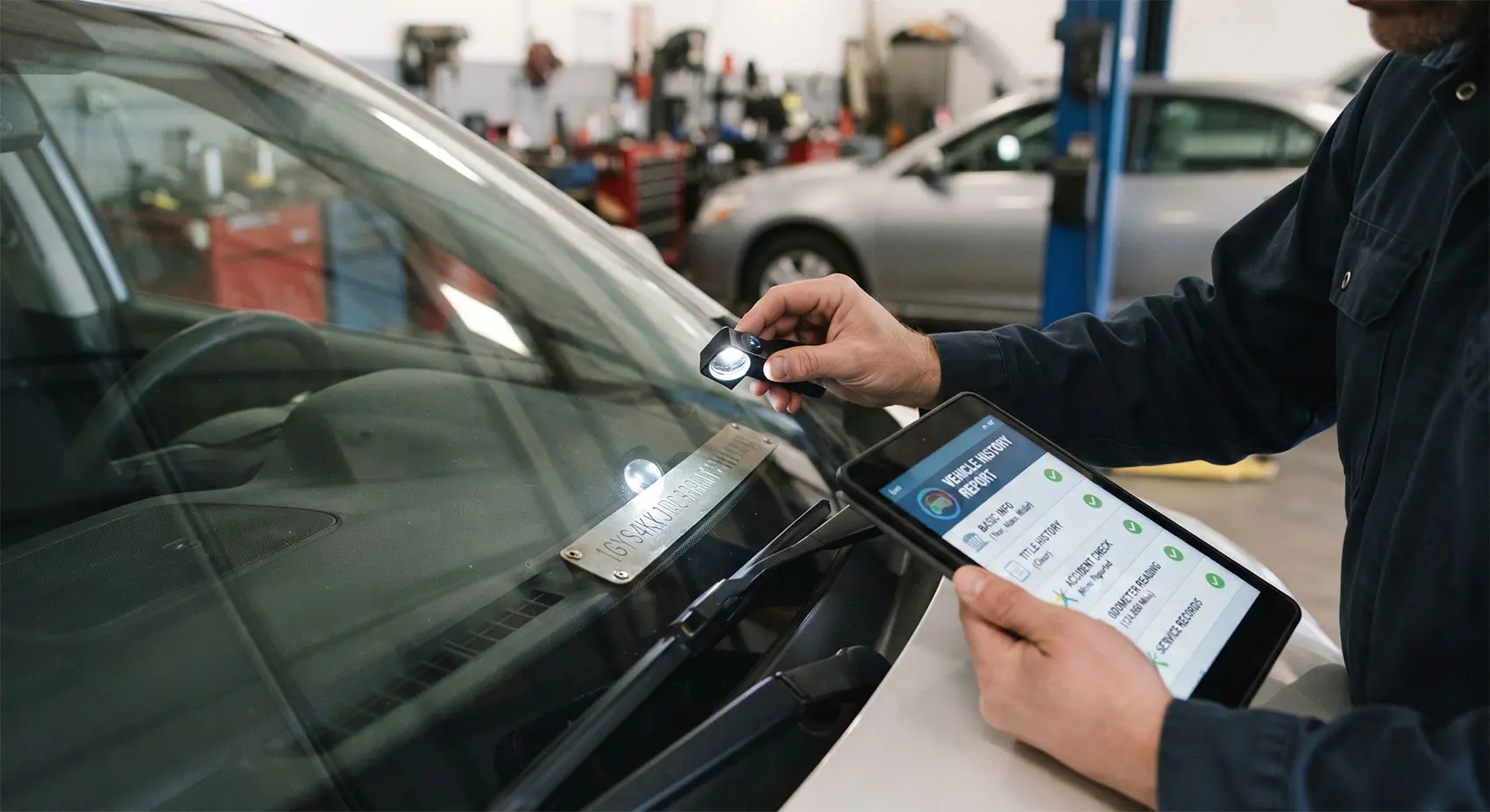
A proper inspection is the most important step when considering a used rental or fleet vehicle. Start by checking the vehicle's identification number, commonly called the VIN, and reviewing its available history. Look for previous accidents, ownership changes, mileage inconsistencies, and reported damage. Also request service records to confirm whether recommended maintenance was completed on time.
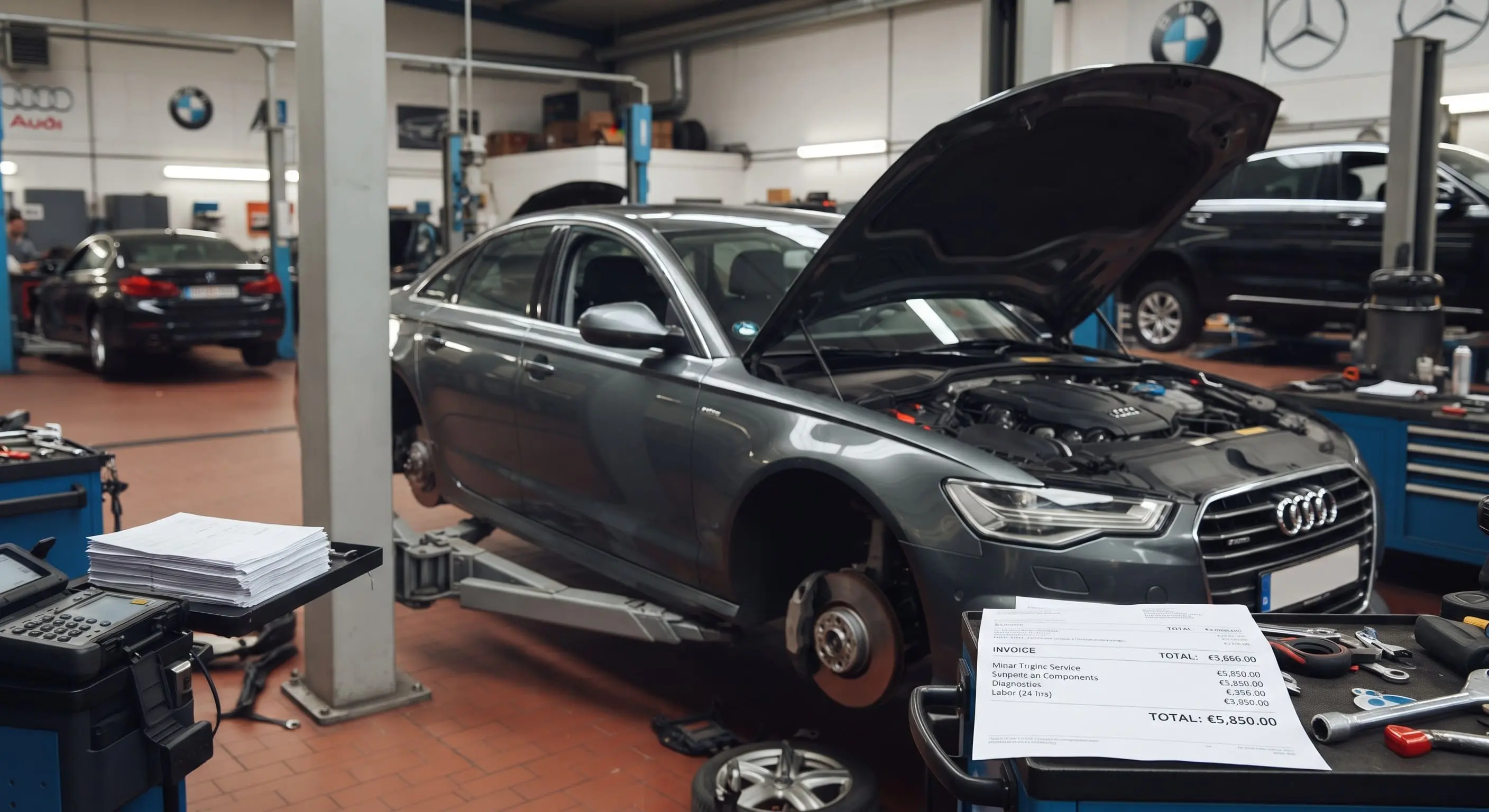
However, written records are only part of the process. Arrange an inspection with an independent mechanic who has experience with the particular vehicle. A professional inspection can reveal fluid leaks, worn components, structural damage, and other problems that may not be obvious during a short test drive. The inspection cost is usually small compared with the potential expense of major repairs.
Check the Exterior, Interior, and Mileage
Begin by examining the exterior carefully. Look for uneven paint, unusual panel gaps, rust, dents, and signs of previous body repairs. Check whether the doors, hood, and trunk open and close correctly. Different paint shades or poorly aligned panels may suggest earlier repairs, although they do not always indicate serious accident damage.
Inside the vehicle, inspect the seats, steering wheel, pedals, dashboard, and electrical features. Excessive wear may suggest heavy use. Compare the displayed mileage with service records and the overall condition. High mileage does not automatically mean a car is unreliable, but it should match the vehicle's maintenance history. Unusually low mileage should also be verified rather than accepted without question.
Take a Proper Test Drive
A test drive helps reveal how the vehicle performs under normal conditions. Drive on different roads when possible, including city streets and highways. Check acceleration, braking, steering, and transmission behavior. Listen for rattling, squeaking, or unusual engine sounds. Make sure the air conditioning, heating, lights, windows, and other basic features work properly.
Pay attention to how the vehicle feels at different speeds. Excessive vibration may suggest tire, wheel, or suspension problems. Unusual steering movement or poor braking performance should be investigated. If possible, start the engine when it is cold because some mechanical issues are easier to notice before the engine reaches its normal operating temperature.
Review Warranty and Repair Costs
Before signing any agreement, ask whether the vehicle includes a warranty. Some rental companies offer limited coverage, but the protection may apply only to selected mechanical parts. Check the warranty period, mileage limits, exclusions, and repair requirements. Also find out whether any remaining manufacturer warranty applies to the vehicle and its future owner.
Consider the cost of repairs that might be needed after purchase. Tires, brakes, batteries, suspension parts, and scheduled maintenance can add a meaningful amount to your budget. Ask your mechanic for an estimate of necessary repairs and use this information when negotiating the price. If the seller refuses an independent inspection or avoids reasonable questions, consider looking elsewhere.
Conclusion
Buying a fleet or rental vehicle can be a safe and affordable option when the car has been properly maintained and carefully inspected. Lower prices, modern features, and available service records can make these vehicles attractive alternatives to traditional used cars. However, frequent driving, multiple users, and possible hidden mechanical wear mean that buyers should never judge a vehicle by its appearance or advertised price alone.
The smartest approach is to compare prices, verify the vehicle history, review maintenance records, take a thorough test drive, and arrange an independent inspection. A well-maintained former rental or fleet car can provide dependable transportation and good value. On the other hand, a poorly maintained vehicle may quickly become an expensive repair problem. The best deal is not simply the cheapest car, but the one that offers reliable condition, clear history, and reasonable ownership costs.


Written by Kousar Shabbir
Published Oct 20, 2026 in Buying Guides.