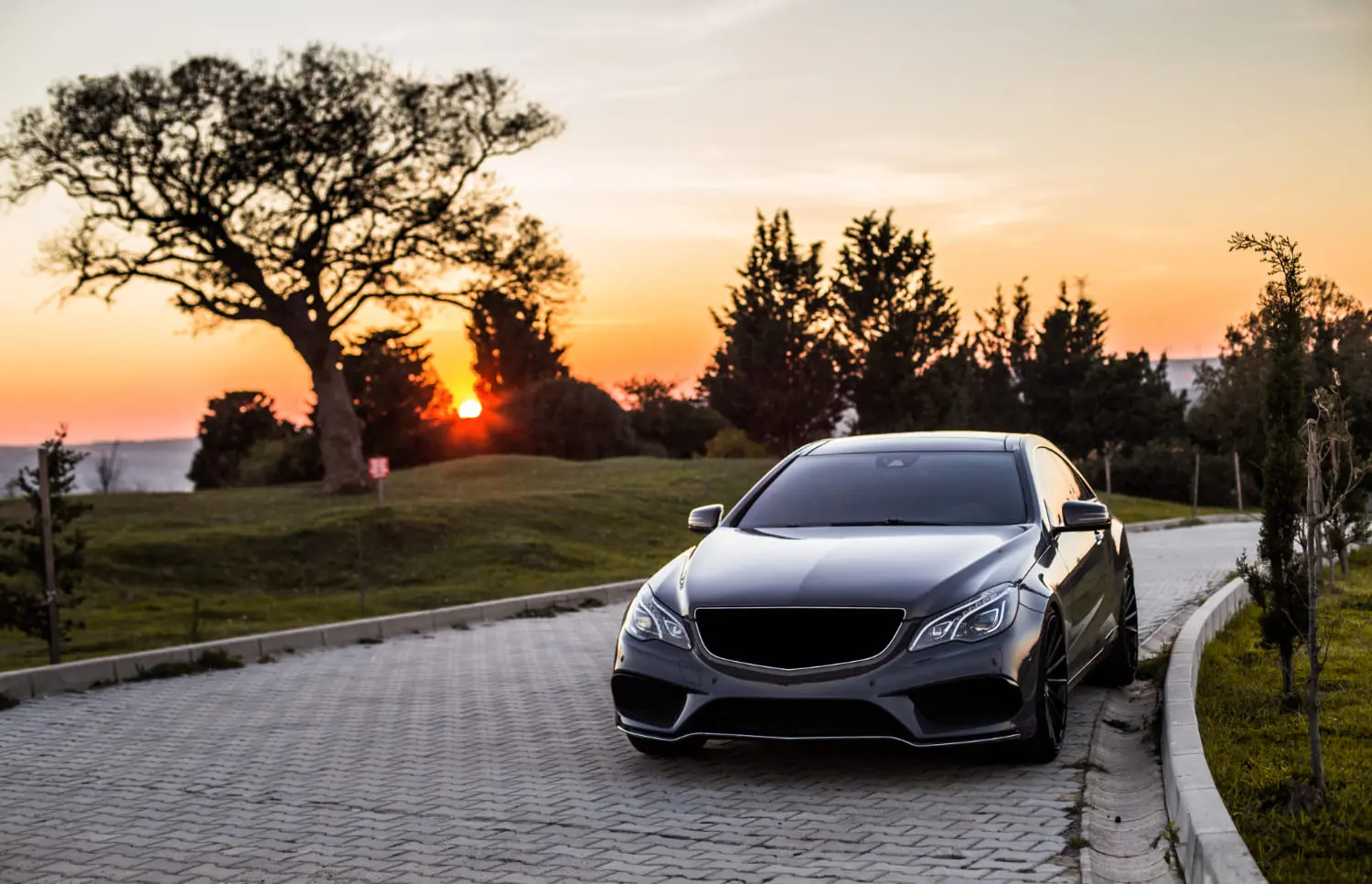
Choosing a teenager's first car is a monumental milestone that often brings a unique mix of excitement and deep-seated parental anxiety. For a teen, a car represents freedom, independence, and a rite of passage into adulthood. For parents, however, that same set of keys symbolizes safety risks, unexpected repair bills, and soaring insurance premiums. Balancing these two entirely different worldviews can feel like walking a tightrope. You want your young driver to feel proud and confident behind the wheel, but, more importantly, you need absolute peace of mind knowing they are protected by modern crash architecture and reliable engineering.
Finding the sweet spot between a car that a teenager actually wants to drive and one that meets rigorous safety standards requires looking beyond superficial styling. According to comprehensive guidelines from the Insurance Institute for Highway Safety (IIHS) and the National Highway Traffic Safety Administration (NHTSA), the best vehicles for new drivers are those that prioritize crash avoidance technology, structural integrity, and predictable handling over high-horsepower thrills. Tiny subcompacts might seem like an easy, fuel-efficient entry point, but midsize sedans and small crossovers generally offer significantly better crumple zones and kinetic energy management during collisions.
Furthermore, reliability cannot be overstated. A dependable first car prevents the dangerous and stressful situation of a breakdown on a busy highway or desolate road. When you factor in tight family budgets, the ideal choice becomes a carefully vetted pre-owned vehicle that hits all the right marks: top-tier safety scores, bulletproof mechanical reliability, sensible fuel economy, and low maintenance overhead. In the following sections, we will break down the absolute best vehicle categories, specific top-performing models, and hidden financial factors to help you navigate this important purchase with confidence.
The Golden Rules of Teen-Safe Vehicle Selection
When you step onto a used car lot or start scrolling through online listings looking for a teenager's first car, it is easy to get distracted by flashy paint jobs, aftermarket rims, or entertainment systems. However, as a parent or mentor, your primary filter must be rooted in uncompromised safety engineering and physics. Modern automotive safety has evolved past simple seatbelts and basic airbags; today, selecting a vehicle for a young driver means evaluating how well the chassis manages kinetic energy during an unexpected impact.
First and foremost, Electronic Stability Control (ESC) is an absolute, non-negotiable requirement. Mandated on all passenger vehicles manufactured after 2012, ESC automatically detects and reduces skidding by selectively applying brakes to individual wheels, helping the driver maintain control during emergency maneuvers or slick road conditions. Alongside ESC, you should closely examine crash-test ratings provided by the Insurance Institute for Highway Safety (IIHS) and the National Highway Traffic Safety Administration (NHTSA). Look specifically for vehicles that earned "Top Safety Pick" or "5-Star" designations during their production years. Small front overlap ratings and side-impact protection scores are vital metrics that reveal how well the cabin protects occupants in severe crashes.
Another critical consideration is curb weight and vehicle size. While tiny subcompact hatchbacks might appeal due to their fuel efficiency, physics dictates that in a collision between vehicles of drastically different masses, the lighter vehicle absorbs the brunt of the kinetic energy. Midsize sedans, compact hatchbacks with solid structural integrity, and small crossovers offer a much safer middle ground. They provide longer crumple zones and higher seating positions without sacrificing maneuverability or introducing the dangerous rollover risks associated with older, top-heavy SUV designs from previous decades.
Finally, you must avoid the horsepower trap. High-performance engines, turbocharged sports sedans, and muscle cars might look appealing to a teenager eager to impress their peers, but they invite aggressive driving and excessive speeding. A sensible, naturally aspirated four-cylinder engine or a modest hybrid powertrain provides plenty of acceleration for safe highway merging while naturally keeping insurance premiums manageable.
Top Safe and Reliable Sedans for Teens
When transitioning a teenager from a learner’s permit to solo driving, choosing the right vehicle category matters immensely, and traditional sedans remain one of the smartest investments. Sedans offer a lower center of gravity compared to SUVs, which drastically reduces the risk of rollovers, a major hazard for inexperienced drivers navigating sharp turns or sudden emergency swerves. Furthermore, modern compact and midsize sedans combine excellent fuel economy, predictable handling, and advanced safety suites into an affordable package.
Leading the pack for reliability and low ownership costs is the Toyota Corolla (2018–2022). Renowned worldwide for its bulletproof mechanical endurance, the Corolla is an ideal first car because it simply refuses to quit. More importantly, recent model years come standard with Toyota Safety Sense, featuring automatic emergency braking, lane departure alert, and adaptive cruise control. Maintenance costs are exceptionally low, and parts are universally available, meaning minor dings or routine oil changes won't break the bank.
Another gold standard in this category is the Honda Civic (2017–2021). The Civic offers a slightly more engaging driving experience with responsive steering and nimble handling without crossing into dangerous high-performance territory. Its four-cylinder engine provides smooth, efficient acceleration for highway merging while maintaining stellar fuel efficiency that teenagers will appreciate when paying for their own gas. Inside, the cabin layout is intuitive, and structural crash scores from the IIHS consistently rank at the top of its class.
For parents looking for a slightly more upscale feel without sacrificing practicality, the Mazda 3 (2018–2021) is an outstanding contender. Known for its sophisticated interior styling and near-luxury build quality, the Mazda 3 provides composed, reassuring road manners in all weather conditions. It features robust side-impact protection and earned high marks across all major IIHS crash tests. Choosing one of these three sedans ensures your teen has a reliable, safe daily driver that will last well through their college years.
Best Small Crossovers and SUVs for Teens
While traditional sedans remain a smart, economical choice for new drivers, small crossovers and compact SUVs have surged in popularity for teen drivers and for good reason. Parents often prefer them because their elevated ride height provides better forward visibility through traffic. At the same time, teenagers appreciate the versatile cargo space for sports equipment, school projects, and road trips with friends. Furthermore, modern compact crossovers feature sophisticated all-weather traction systems and rigid body frames that offer exceptional protection during unexpected weather events or slick road conditions.
Leading this category with a stellar reputation for safety and all-weather capability is the Subaru Crosstrek (2018–2021). Built with Subaru’s signature Symmetrical All-Wheel Drive standard across its trims, the Crosstrek delivers unmatched traction during heavy rain, sleet, or light snow a massive comfort factor for parents whose teens commute to early-morning classes. It also boasts impressive ground clearance without creating the high rollover risks associated with older, top-heavy sport utility vehicles. Its EyeSight Driver Assist technology suite provides pre-collision braking and lane keep assist, acting as an extra set of watchful eyes on the road.
Another perennial favorite in driveway fleets is the Honda CR-V (2016–2020). Known for having one of the most intelligently designed cabins in its class, the CR-V offers expansive cargo room and exceptional crash-test scores from the IIHS. Its steering is light yet precise, making parallel parking and tight maneuvers stress-free for beginner drivers. The responsive four-cylinder engine balances reliable fuel economy with steady power delivery, ensuring young drivers can merge onto highways safely without being tempted to speed.
Rounding out the top tier is the Toyota RAV4 (2016–2019). The RAV4 is practically legendary for its longevity, often running past the 200,000-mile mark with only basic, routine maintenance. Its boxy exterior profile translates into excellent interior headroom and visibility, while Toyota Safety Sense comes standard on these model years. Choosing any of these three small crossovers gives your teenager the added confidence of all-weather traction and robust crash protection.
Budget-Friendly Practical Picks (Under $15,000 Sweet Spot)
Finding a reliable vehicle for a teenager without overextending your budget often lands parents in the $10,000 to $15,000 used car sweet spot. In this price range, you can find dependable models that still feature modern conveniences and safety tech without forcing you into high monthly finance payments. However, shopping in this tier requires careful inspection to ensure previous maintenance was handled properly and that the vehicle has a clean history report.
Among budget-friendly practical contenders, recent generations of the Hyundai Elantra and Kia Forte (2017–2021) stand out for offering exceptional value. While older models from these Korean brands suffered from reliability concerns, newer iterations have completely turned the corner, offering impressive build quality and long-term durability. More importantly, these sedans are typically packed with modern technology that teenagers love, such as crisp touchscreens, standard Apple CarPlay, and Android Auto integration without carrying the heavy price tags associated with Japanese competitors. Their mechanical components are straightforward, meaning routine servicing and replacement parts remain exceptionally affordable.
Another phenomenal choice in this bracket is the Ford Fusion (2017–2020). As midsize sedans, Fusions offer a heavier, more planted feel on the highway, giving young drivers extra confidence during long commutes or adverse weather conditions. The cabin is surprisingly quiet and comfortable, with plenty of legroom for passengers. Under the hood, base naturally aspirated four-cylinder engines provide reliable, trouble-free operation, while avoiding the complex turbocharging systems that can sometimes lead to costly repairs down the road.
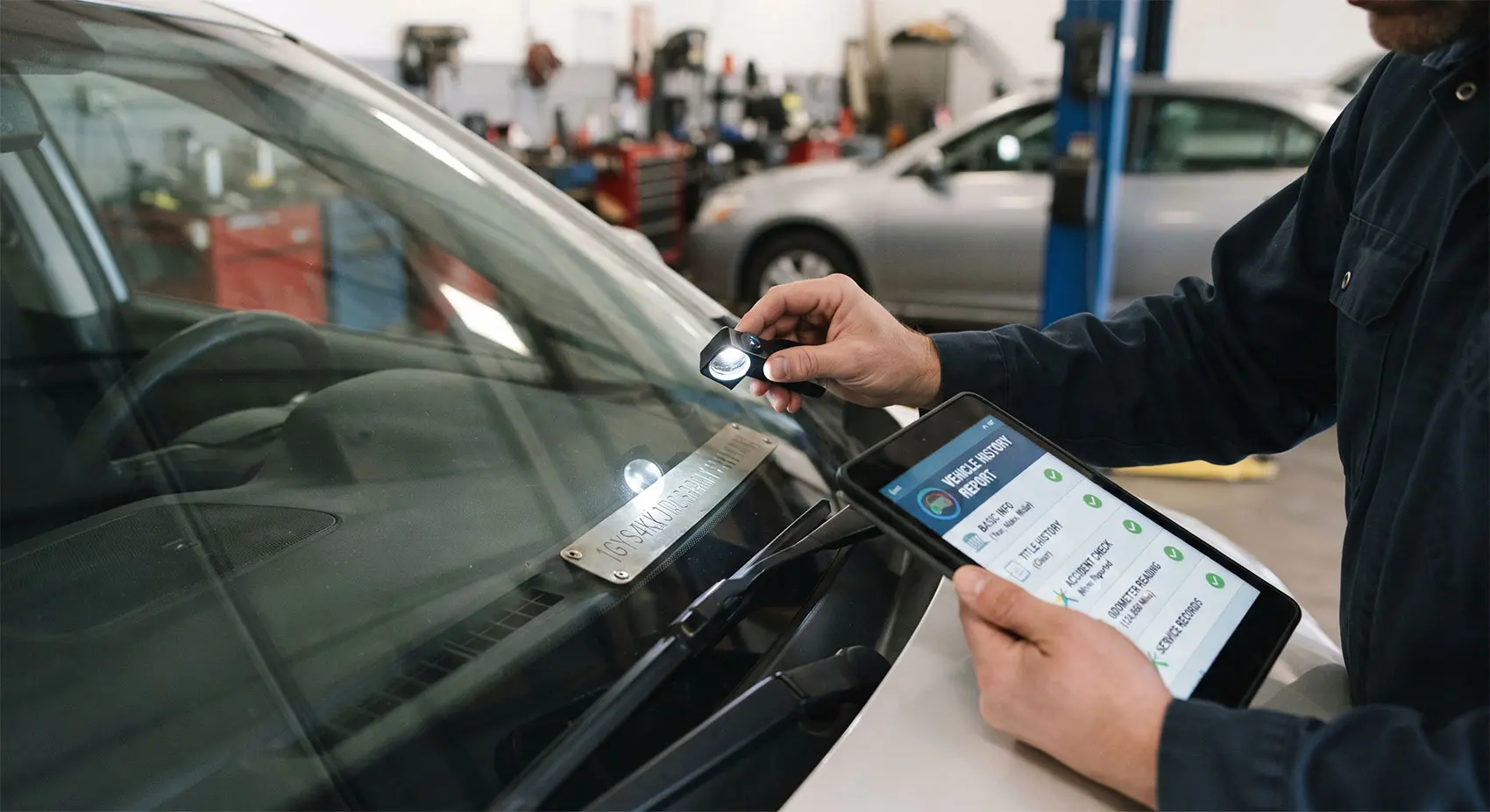
When shopping for any budget-friendly vehicle in this price range, always prioritize a thorough pre-purchase inspection (PPI) by an independent mechanic. Verifying clean title status, checking maintenance logs, and ensuring all airbag recalls have been addressed will protect your investment and guarantee your teenager hits the road in a safe, dependable vehicle.
Conclusion
As you embark on the rewarding yet sometimes nerve-wracking journey of selecting a teenager's first car, keeping your core priorities properly aligned will make all the difference. Navigating the automotive market requires a careful balancing act between a young driver's desire for independence and styling, and a parent's non-negotiable demand for uncompromised safety and reliability. By prioritizing robust crash-test architectures, essential active safety features like Electronic Stability Control, and sensible, naturally aspirated powertrains, you build a foundation of safety that protects your most precious cargo.
Throughout this guide, we have explored vehicles that strike that elusive sweet spot. Whether you opt for a bulletproof, low-maintenance sedan like the Toyota Corolla or Honda Civic, choose the all-weather confidence of a Subaru Crosstrek or Honda CR-V crossover, or hunt for exceptional value within the $15,000 budget bracket with a Ford Fusion or Hyundai Elantra, the common denominator remains peace of mind. These vehicles are engineered to handle the unpredictable nature of daily commuting while forgiving minor driving errors through stable handling and predictable braking responses.
However, purchasing the car is only half the battle. True safety on the road extends beyond the metal framework of the vehicle and into the habits and responsibilities of the driver. Use this milestone purchase as a collaborative teaching opportunity. Involve your teenager in the mechanical inspection process, discuss the real-world financial realities of fuel efficiency and insurance premiums, and establish clear ground rules regarding phone usage, passenger limits, and nighttime driving restrictions. Teaching them how to check tire pressures, monitor fluid levels, and manage routine maintenance instills a sense of ownership and accountability that will serve them well long after they leave the driveway.
Ultimately, a teenager's first car is much more than just a mode of transportation; it is a mobile classroom for lifelong driving responsibility. By anchoring your choice in thorough research, verified safety ratings, and open communication, you ensure that your young driver steps into their automotive independence with confidence, capability, and protection every single mile of the way.




Written by Maarukh Shahbaz
Published Jul 25, 2026 in Buying Guides.