
Purchasing your very first car is a monumental milestone. For many young drivers and teenagers, it represents the ultimate taste of freedom, independence, and adulthood. However, the excitement of browsing dealership lots and checking out sleek paint jobs can quickly be overshadowed by the sheer anxiety of making the wrong choice. Unlike seasoned drivers who might prioritize luxury features or raw horsepower, a new driver's garage requires a much more disciplined approach centered on a strict golden trinity: safety, low insurance rates, and rock-solid reliability.
When you are first starting out behind the wheel, your primary job isn’t just getting from point A to point B; it is building confidence, minimizing risk, and learning how to manage the ongoing operational costs of vehicle ownership. A breakdown on a busy highway during rush hour or an astronomical monthly insurance premium can quickly turn a dream purchase into a financial and emotional headache. That is why choosing the right starter car is so critical. It needs to forgive minor driving errors, protect its occupants when the unexpected happens, and ask for little more than basic oil changes in return.
This comprehensive guide is designed to cut through the noise of the automotive market. Whether you are a parent looking to invest in your teenager's safety or a young adult buying your very first set of wheels with your own hard-earned savings, we will walk you through everything you need to know. From decoding crash-test ratings and understanding insurance groups to exploring the best used models, affordable hybrids, and essential inspection checklists, here is your definitive roadmap to finding a safe, low-insurance, and reliable first car.
Why Safety and Reliability Matter Most for New Drivers
When a teenager or inexperienced driver gets behind the wheel for the first time, the physics of the road can be entirely unforgiving. This is why safety cannot be treated as a mere optional extra or an afterthought when purchasing a starter car; it must serve as the absolute foundational pillar of your decision. New drivers lack the instinctive hazard-perception and rapid reflex muscle memory that come with years of defensive driving experience. Consequently, they are statistically more susceptible to fender benders, misjudged braking distances, and highway miscalculations. A vehicle equipped with robust structural integrity and advanced active safety features acts as an essential electronic and physical safety net, turning what could be a catastrophic collision into a minor, survivable incident.
Understanding crash test ratings is the first step every buyer and parent should take. Rather than relying on dealership marketing claims, look directly to independent safety authorities such as the Insurance Institute for Highway Safety (IIHS), which awards designations like Top Safety Pick and Top Safety Pick and the National Highway Traffic Safety Administration (NHTSA), which uses a 5-star rating system. These organizations subject vehicles to rigorous frontal, side, and rollover crash simulations. For a first car, you should exclusively target vehicles that achieve top marks across these evaluations. Furthermore, modern active safety technology has revolutionized beginner protection. Features like Electronic Stability Control (ESC), anti-lock braking systems (ABS), traction control, blind-spot monitoring, and automatic emergency braking (AEB) actively intervene when a driver fails to react quickly enough, preventing accidents before they even occur.
Equally important to safety is mechanical reliability. Reliability and low maintenance are closely intertwined with safety because a dependable car is far less likely to leave a young driver stranded on a dark roadside or experience sudden mechanical failures like brake or steering issues at high speeds. When a first-time car owner has to constantly worry about whether their vehicle will start in the morning or throw a mysterious "Check Engine" light on the way to school or work, it builds unnecessary driving anxiety. Choosing a proven, highly reliable model means the car requires little more than routine preventive maintenance, such as regular oil changes, fluid checks, and tire rotations, allowing the driver to focus entirely on mastering road rules, situational awareness, and building lifelong defensive driving habits.
Top Safe and Reliable First Cars (Used & New Picks)
When stepping into the automotive market for a first car, the choices can feel overwhelming. New drivers and their parents are often caught between wanting modern comfort and needing mechanical bulletproofness, all while keeping a tight lid on purchase and insurance expenses. Fortunately, certain models have earned a legendary reputation for striking this exact balance. These vehicles aren't just transport appliances; they are dependable companions that forgive rookie mistakes, offer stellar crash protection, and hold their resale value remarkably well.
The Toyota Corolla stands undisputed as the gold standard for dependability and low cost of ownership. For decades, the Corolla has built its reputation on an almost unbreakable mechanical framework. For a new driver, this means fewer unexpected trips to the mechanic and predictable routine servicing. Its engine options prioritize efficiency over blistering speed, naturally keeping reckless acceleration in check, while its cabin offers straightforward, distraction-free ergonomics.
Closely following is the Honda Civic, which bridges the gap between youthful styling and practical sensibility. The Civic offers slightly more engaging driving dynamics with crisp steering and responsive handling, helping a new driver build genuine confidence and vehicle control. Paired with exceptional fuel economy and strong IIHS safety ratings, it remains a favorite across high school and college parking lots alike.
For those looking for something with a slightly more premium feel without stepping into luxury car maintenance costs, the Mazda3 is an exceptional choice. Mazda has focused heavily on upscale interior materials, athletic handling, and top-tier safety scores. It comes loaded with intuitive active safety suites even in older used model years, ensuring that a beginner gets modern hazard-detection tech without paying a brand-new car penalty.
Finally, for drivers living in regions prone to heavy rain, snow, or unpredictable weather, the Subaru Impreza offers unmatched peace of mind through its legendary Symmetrical All-Wheel Drive system. Traction is everything when you are learning how road surfaces react to changing weather, and Subaru's standard AWD provides extra grip and stability when it matters most. Combined with solid crash structures, it makes for a rugged, secure, and reliable starter vehicle.
Affordable Hybrids: Smart Starter Cars for the Eco-Conscious Driver
As automotive technology evolves and fuel economy becomes a paramount concern for budget-conscious drivers, hybrid vehicles have carved out an exceptional niche for first-time car buyers. Traditionally, hybrid cars were viewed as niche commuter vehicles or expensive tech experiments. Today, however, mainstream models like the Toyota Prius have matured into bulletproof daily drivers that offer incredible financial and practical benefits for new drivers and college students. When a young driver is footing the bill for their own gasoline and budgeting monthly expenses, the fuel-saving potential of a hybrid can drastically lower the cost of vehicle ownership.
The primary advantage of choosing a hybrid starter car lies at the fuel pump. Modern hybrid powertrains seamlessly blend a gasoline engine with an electric motor, maximizing efficiency during stop-and-go city driving where traditional internal combustion engines typically burn the most fuel. For a new driver navigating daily school commutes, part-time job shifts, and weekend errands, achieving upwards of 50 miles per gallon translates to hundreds of dollars saved every single year. Furthermore, hybrids often feature regenerative braking systems, which not only recapture kinetic energy to recharge the onboard battery pack but also reduce physical brake pad wear, leading to lower long-term maintenance costs over the vehicle's lifespan.
When considering a used hybrid as a first car, buyers often worry about the longevity and replacement cost of the high-voltage battery pack. Fortunately, real-world data demonstrates that modern hybrid batteries frequently outlast the rest of the mechanical components, often lasting well past 150,000 to 200,000 miles without issue. Manufacturers also back these components with extensive warranties, providing extra peace of mind for parents investing in a safe, eco-conscious ride. By opting for a reliable used hybrid, a new driver not only learns fuel-efficient driving habits early on but also enjoys a smooth, quiet ride equipped with modern regenerative safety tech and remarkably low operating costs.
Navigating Insurance Costs: How Young Drivers Can Save
One of the most intimidating realities of purchasing a first car is confronting the cost of auto insurance. For teenagers and young adults, insurance premiums are notoriously high, often rivaling or even exceeding the monthly payment of the car itself. Insurance companies price policies based on statistical risk, and because new drivers lack an established driving history, underwriters view them as statistically more likely to file an accident claim. However, understanding how insurance groups work and knowing the right strategies to lower your rates can save you thousands of dollars each year.
Vehicle choice plays a massive, direct role in determining monthly insurance expenses. Insurance providers categorize cars into specific "insurance groups" based on factors such as engine size, repair costs, historical safety ratings, and how frequently a particular model gets involved in accidents. High-horsepower sports cars, luxury imports, and heavily modified vehicles sit in the highest insurance brackets, making them financial traps for beginners. Conversely, practical sedans, reliable hatchbacks, and compact crossovers with strong safety scores such as the Toyota Corolla or Honda Civic fall into much lower insurance groups. Opting for a car equipped with advanced active safety features like automatic emergency braking and lane-keep assist can also trigger direct safety discounts from insurance providers, further lowering your monthly premium.
Beyond vehicle selection, young drivers and their parents can leverage several proactive tactics to slash insurance costs. Maintaining high academic performance is one of the easiest wins; many major insurance companies offer "good student discounts" for high school and college students who maintain a B average or higher. Additionally, opting for telematics programs, which monitor driving habits via a mobile app or plug-in device to reward safe speeds, smooth braking, and limited night driving, can result in substantial discounts. Finally, bundling policies under a parent's existing auto insurance plan or raising deductibles on comprehensive and collision coverage can provide immediate relief, ensuring that owning your first car remains an empowering experience rather than a financial burden.
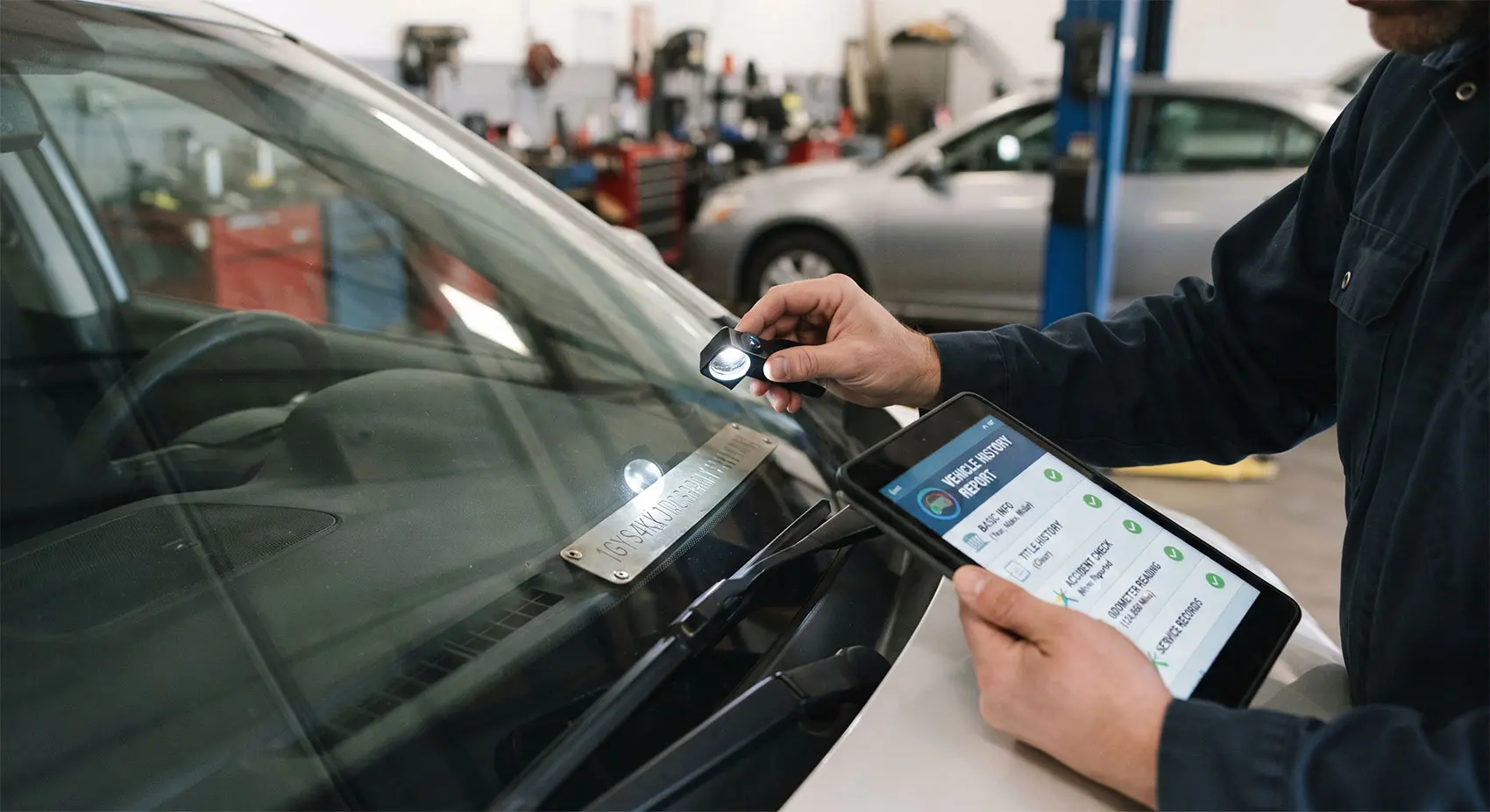
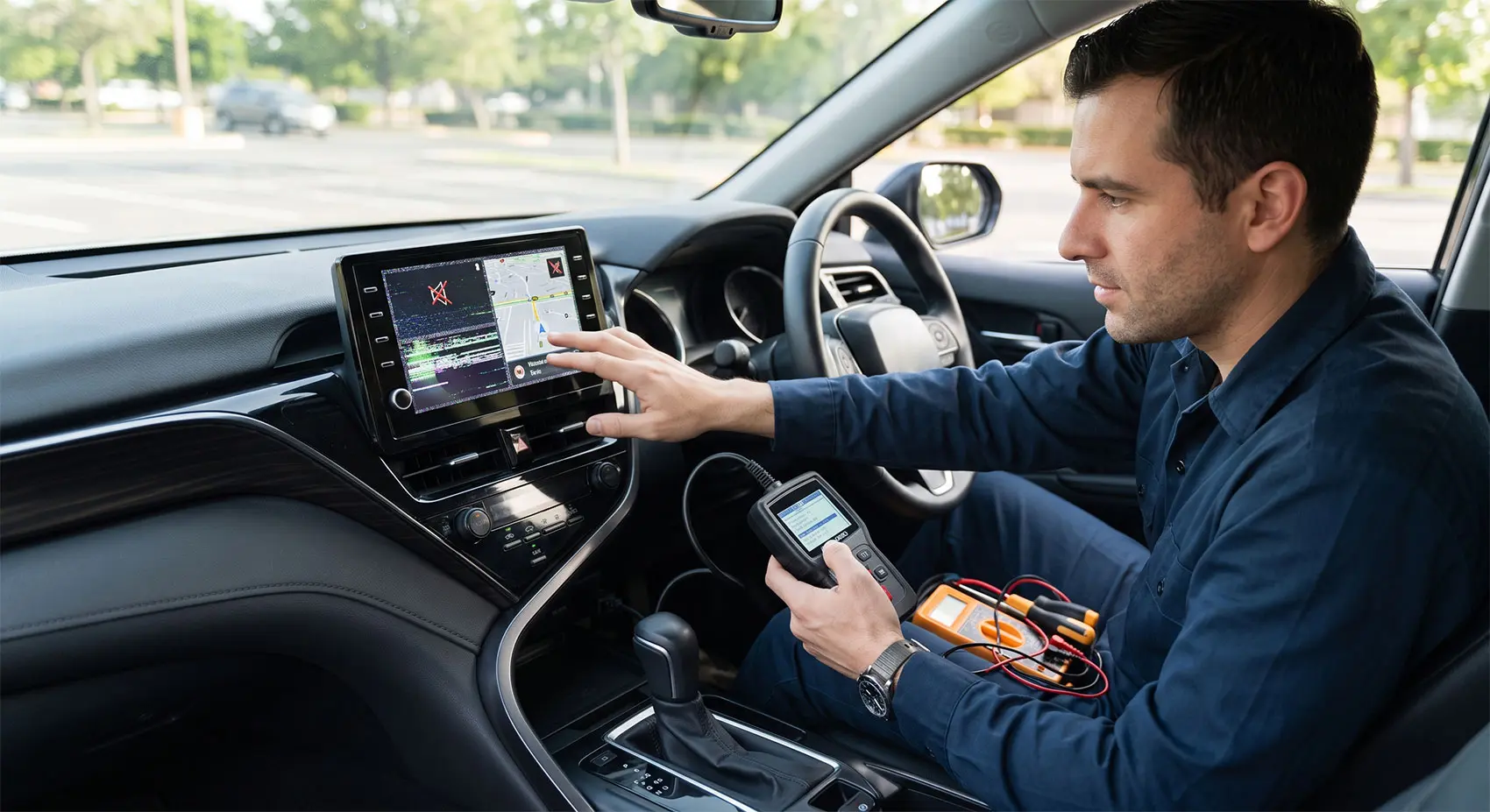
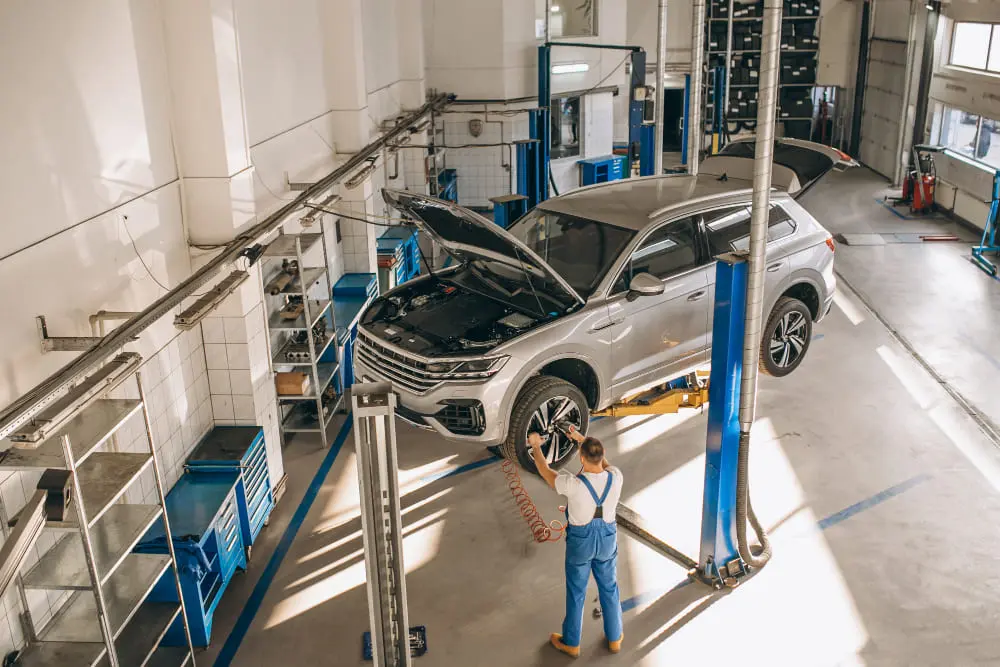
Once your budget is locked in, the next crucial phase is conducting a thorough pre-purchase inspection (PPI) and verifying the vehicle's history. Never take a seller's word at face value, even if the car looks pristine sitting on a dealership lot. Always pull an independent vehicle history report using services like Carfax or AutoCheck to track previous accidents, title status, and service records. Furthermore, pay an independent, certified mechanic a small fee to perform a comprehensive bumper-to-bumper PPI. They can spot hidden frame damage, impending transmission failures, worn-out suspension components, and oil leaks that an inexperienced buyer would easily overlook. Finally, when you take the car out for a test drive, evaluate it not just for comfort, but for absolute control: check outward visibility, seat ergonomics, brake responsiveness, and ensure all active safety features and dashboard indicators function properly.
Conclusion
As you close the chapter on your search for the ideal starter vehicle and prepare to take the keys to your very first car, remember that the true measure of a great choice isn’t how fast it can accelerate off the line or how flashy it looks in a parking lot. Instead, it lies in the quiet, dependable peace of mind it provides every single time you turn the ignition. Balancing the golden trinity of safety, low insurance rates, and rock-solid reliability ensures that your early years behind the wheel are defined by confidence, growth, and safe adventures rather than unexpected repair bills and financial stress.
Taking the time to carefully evaluate your options, whether you choose a time-tested staple like the Toyota Corolla, a nimble Honda Civic, an all-weather Subaru Impreza, or an ultra-efficient hybrid like the Prius, pays dividends on every journey. By prioritizing robust crash structures, advanced active safety features, and smart, economical maintenance practices, you are building a strong foundation for a lifetime of skilled and defensive driving. Equip yourself with a thorough pre-purchase inspection, shop smart for insurance discounts, and step onto the road knowing you have made an intelligent investment in your independence and safety.




Written by Maarukh Shahbaz
Published Sep 7, 2026 in Buying Guides.