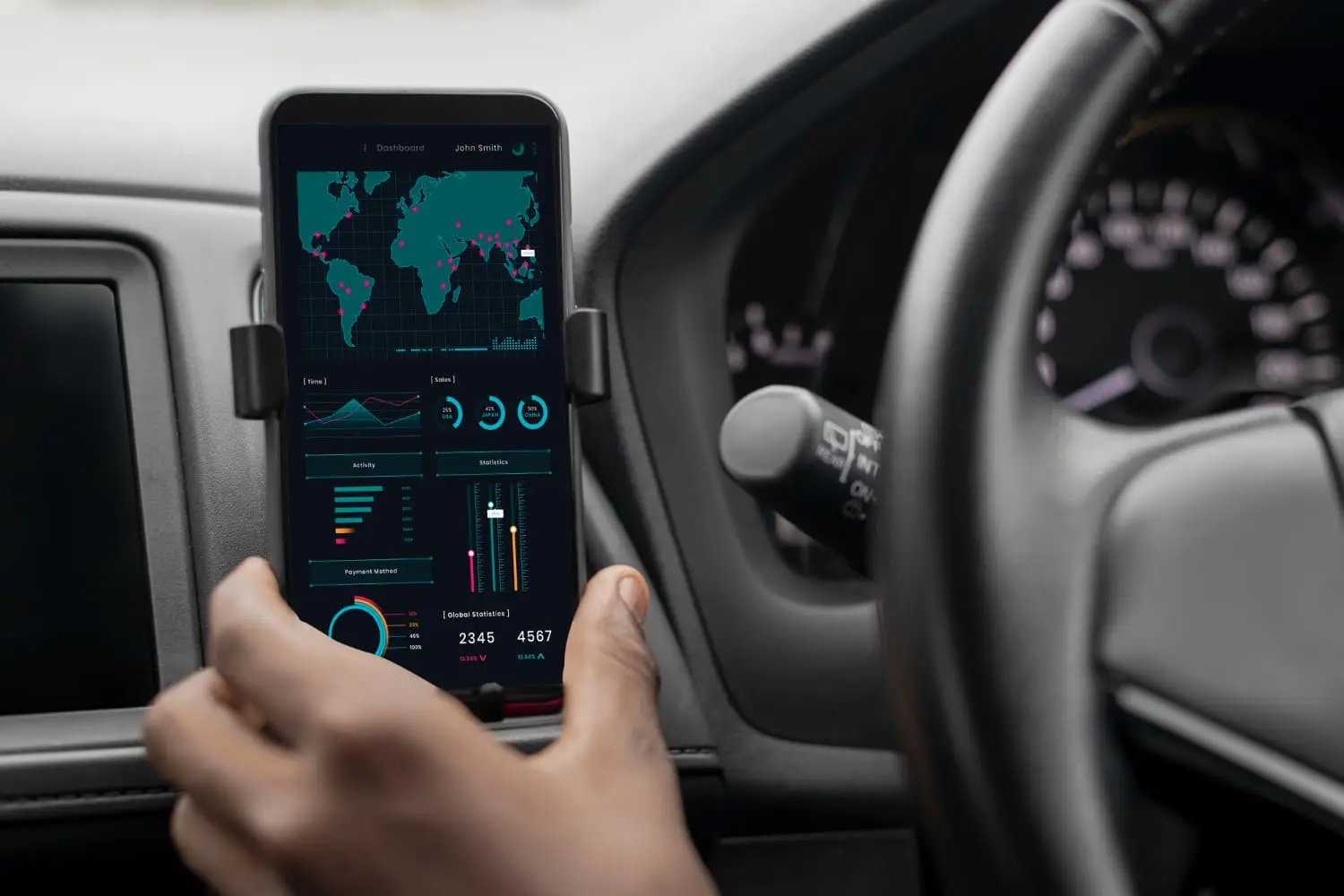
The modern automobile has undergone a radical transformation. What was once purely a mechanical marvel powered by an internal combustion engine, pistons, and wheels is now, fundamentally, a smartphone on four wheels. Today’s vehicles are densely packed with electronic control units (ECUs), advanced telematics, and continuous data-streaming capabilities designed to make driving safer, more efficient, and infinitely more entertaining. From streaming high-definition podcasts and real-time traffic re-routing to unlocking your doors via a smartphone app or receiving over-the-air (OTA) performance upgrades while parked in your garage, connectivity has become the ultimate selling point for modern car buyers.
However, this rapid digital evolution comes with a profound, often overlooked hidden cost. By opening our vehicles up to the digital world, we have also opened them up to the digital underworld. Every wireless interface, Bluetooth pairing, cellular connection, and keyless entry fob introduces a potential digital gateway. The critical question facing drivers, manufacturers, and cybersecurity experts alike is no longer: Can a car be hacked? We already know the terrifying answer to that, but rather, are our increasingly connected features leaving vehicles dangerously vulnerable to sophisticated cyberattacks? As cars morph into data centers on asphalt, examining the security architecture of the modern vehicle is more urgent than ever.
Understanding the Connected Car Ecosystem: Attack Surfaces
The architecture of a modern vehicle has evolved far beyond mechanical systems linked by physical cables. Today's connected cars operate as rolling data centers, integrating dozens of Electronic Control Units (ECUs) alongside complex wireless communication modules. This digital transformation creates multiple distinct attack surfaces that malicious actors can potentially exploit. Understanding these entry points is the first step in comprehending modern automotive vulnerabilities.
-
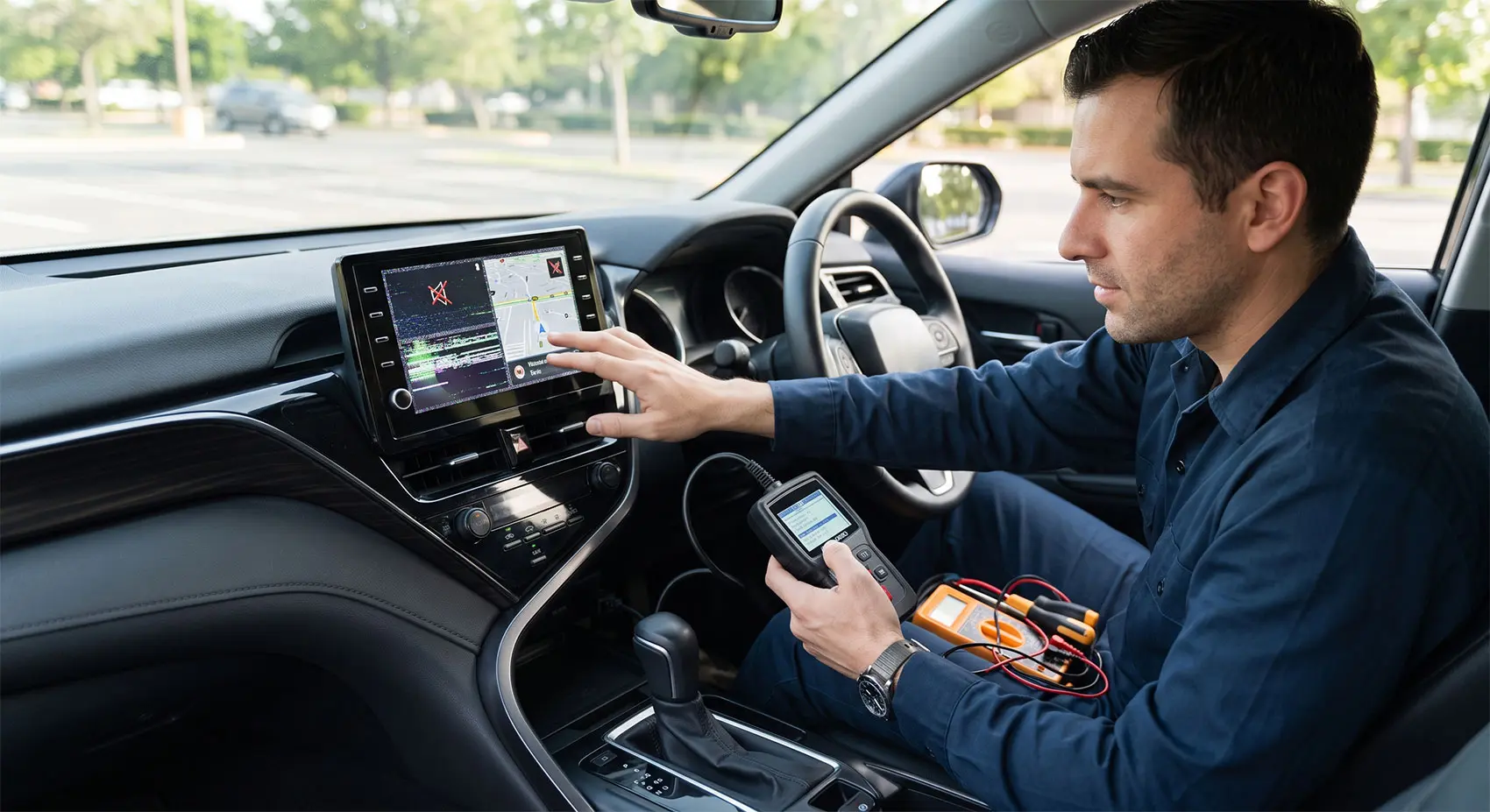
Infotainment Systems and Bluetooth/Wi-Fi Entry Points: The central dashboard console serves as the entertainment and navigation hub, but it is also one of the most accessible interfaces. Infotainment units frequently feature Bluetooth pairing, local Wi-Fi hotspots, and smartphone integration protocols like Apple CarPlay and Android Auto. Because these systems often share internal data pathways with non-critical components, researchers have repeatedly demonstrated how exploiting a flaw in a media player's Bluetooth stack or a poorly secured Wi-Fi connection can serve as a stepping stone into deeper vehicle networks.
-
Telematics Control Units (TCUs) and Cellular Modems: Telematics units enable features like remote diagnostics, automatic crash notification, stolen vehicle tracking, and real-time traffic updates by communicating directly via cellular networks. Because the TCU maintains a permanent or semi-permanent wide-area network (WAN) connection to the outside world, it represents a high-risk remote attack vector. If a cellular modem or its underlying firmware contains an unpatched vulnerability, an attacker theoretically could target a vehicle from miles away without any physical proximity or local wireless pairing.
-
Key Fobs and Remote Keyless Entry (RKE) Vulnerabilities: Traditional physical keys have largely been replaced by smart key fobs that communicate via radio frequency (RF) signals. While convenient, these systems are notoriously susceptible to relay attacks and signal amplification. By using relatively inexpensive hardware, malicious actors can intercept, record, and relay the unique digital handshake between a key fob inside a home and a vehicle parked outside, tricking the car into unlocking and starting without ever possessing the physical key.
-
Smartphone Companion Apps as Backdoor Vectors: Most major automakers now offer smartphone applications that allow owners to lock doors, check tire pressure, start engines, and pinpoint vehicle locations remotely. However, the security of these companion apps relies heavily on cloud infrastructure, API security, and the user's mobile device hygiene. Compromised user credentials, insecure API endpoints, or man-in-the-middle attacks targeting cloud servers can grant unauthorized third parties remote control over a fleet of vehicles.
The Anatomy of Modern Vehicle Hacking
The boundary between digital convenience and critical vehicle safety is narrower than most drivers realize. While early automotive computing systems were isolated from the outside world, modern vehicles rely on unified networks where entertainment consoles, comfort controls, and life-critical mechanics share common pathways. This interconnectedness has shifted automotive hacking from theoretical computer science research to practical, high-stakes exploits that demand serious attention from manufacturers and security professionals alike.
-
Bridging Entertainment to Safety-Critical Systems (The CAN Bus Vulnerability): The Controller Area Network (CAN) bus serves as the central nervous system of a modern vehicle, allowing various Electronic Control Units (ECUs) to communicate without a host computer. Historically, the CAN bus lacked authentication or encryption safeguards because it was assumed that no external device could ever connect to it. However, security researchers famously demonstrated this flaw by exploiting a vulnerable cellular-connected entertainment system in a Jeep Cherokee. By gaining remote entry through the multimedia unit's firmware, they leaped across network boundaries to issue malicious commands directly to the CAN bus, remotely manipulating the transmission, steering, and brakes while the vehicle was being driven on a highway.
-
The Rising Threat of V2X (Vehicle-to-Everything) Communication Intercepts: As smart cities and autonomous driving initiatives expand, vehicles are increasingly equipped to communicate directly with other cars (V2V), roadside infrastructure (V2I), and pedestrian devices (V2P). While this exchange of real-time speed, location, and traffic signal data optimizes traffic flow and prevents collisions, it creates vast new wireless attack surfaces. Intercepting or spoofing V2X broadcast packets can allow attackers to simulate phantom traffic accidents, trigger false emergency braking warnings, or track vehicle movements across municipal grids.
-
Firmware Supply Chain Risks and Compromised OTA Updates: Over-the-air (OTA) updates have revolutionized vehicle maintenance, allowing drivers to receive bug fixes, performance enhancements, and new feature rollouts overnight without visiting a dealership. Yet, these update pipelines are prime targets for sophisticated supply chain attacks. If an adversary compromises an automaker's cloud update server or intercepts an unencrypted firmware packet en route, they can inject malicious code. A single compromised software patch distributed across a fleet of thousands of connected cars could theoretically grant remote adversaries widespread backdoors into critical vehicle controls.
Real-World Implications: Privacy, Safety, and Fleet Risks
The integration of advanced connectivity into modern vehicles transforms them from isolated transport machines into mobile nodes on a vast digital network. While this shift unlocks incredible convenience, navigation efficiencies, and real-time infotainment, it fundamentally alters the risk landscape for everyday drivers, commercial fleets, and automotive manufacturers alike. When code can directly influence physical metal moving at highway speeds, the implications extend far beyond traditional data breaches or identity theft; they enter the realm of physical safety and national infrastructure security.
-
Passenger Safety Risks and Life-Critical Interference: The most alarming consequence of connected car vulnerabilities is the potential for malicious actors to interfere with life-critical mechanical systems. Unlike a desktop computer crash, a security breach in an automotive Telematics Control Unit or compromised Electronic Control Unit can have catastrophic real-world consequences. Researchers have proven that remote attackers can manipulate steering mechanisms, disable brakes, falsify speedometer readings, and shut down engines mid-transit. As vehicles become increasingly autonomous, relying on sensors and cloud-based vehicle-to-infrastructure feeds, a coordinated cyberattack could theoretically compromise the safety of thousands of passengers simultaneously.
-
Data Privacy Concerns and Cabin Surveillance: Modern connected cars are sophisticated data collection engines. They continuously harvest an immense volume of sensitive information, including real-time GPS location histories, driving habits, destination patterns, phone contact lists, media streaming preferences, and biometric inputs. Furthermore, many modern cabins are equipped with inward-facing driver-monitoring cameras and advanced voice-recognition microphones. If an unauthorized third party breaches a vehicle's cloud account or intercepts its telematics stream, they can track a driver's daily routine in real-time, listen in through cabin microphones, or extract deeply personal synced data, posing a severe threat to individual privacy and personal security.
-
Commercial Fleet and Smart City Vulnerability Risks: Beyond individual passenger vehicles, the proliferation of connected tech introduces massive systemic risks for commercial transport fleets, logistics companies, and municipal transit networks. Delivery trucks, ride-share fleets, and public buses increasingly rely on cloud-based telematics for fleet management, predictive maintenance, and route optimization. A ransomware attack or coordinated exploit targeting a fleet management server could immobilize hundreds of commercial vehicles overnight, crippling supply chains, disrupting public transportation, and causing immense economic damage.
Defending the Modern Ride: Solutions and Cybersecurity Best Practices
As the connected car ecosystem expands, securing vehicles against cyber threats requires a multifaceted, collaborative defense strategy. Protecting modern automotive networks cannot fall solely on the shoulders of everyday drivers; it demands a rigorous, proactive approach from manufacturers, regulatory bodies, and vehicle owners alike. By implementing robust technological safeguards and smart operational habits, the automotive industry can significantly mitigate risks and stay ahead of evolving threat vectors.
-
Manufacturer Responsibilities and Hardware Security Modules (HSMs): Automakers must adopt a "security-by-design" philosophy from the ground up. This involves deploying Hardware Security Modules (HSMs) to cryptographically secure communication between internal Electronic Control Units (ECUs), ensuring that commands sent across the CAN bus are authenticated and tamper-proof. Furthermore, implementing network segmentation isolates infotainment and Wi-Fi systems from life-critical safety systems like steering and braking. If a hacker manages to breach a media console, network firewalls and intrusion detection systems (IDS) can prevent them from pivoting to critical vehicle dynamics.
-
Driver and Owner Precautions: While deep architectural security rests with manufacturers, vehicle owners play a crucial frontline role in daily defense. Drivers can minimize exposure by regularly auditing and removing unused Bluetooth device pairings, disabling unnecessary Wi-Fi hotspots, and keeping smartphone companion apps updated to the latest security patch versions. To counter relay attacks targeting keyless entry, storing smart fobs in signal-blocking Faraday pouches when not in use prevents criminals from amplifying and intercepting radio frequencies outside homes. Additionally, promptly installing official over-the-air (OTA) software updates ensures that known vulnerabilities are patched before exploits can be deployed in the wild.
-
Automotive Cybersecurity Regulation and Standardization: Beyond individual engineering choices, the broader ecosystem relies heavily on standardized compliance. Regulatory frameworks such as UNECE WP.29 Cyber Security Regulations now mandate that carmakers implement certified Cyber Security Management Systems (CSMS) before putting vehicles on the market. These regulations enforce continuous vulnerability monitoring, incident response readiness, and lifecycle threat assessments, transforming automotive security from an optional feature into a mandatory global safety standard.
Conclusion
As we look toward the future of transportation, the evolution of the connected car stands as one of the most exciting yet perilous technological shifts of our era. The transformation of automobiles into high-speed, internet-enabled computers has redefined mobility, offering unprecedented levels of convenience, real-time safety diagnostics, and immersive infotainment. However, this digital convergence has fundamentally rewritten the rules of automotive engineering, expanding the attack surface beyond mechanical wear and tear into the complex, invisible realm of cybersecurity. From vulnerable Bluetooth infotainment stacks and cellular telematics gateways to relay attacks targeting key fobs and potential supply chain disruptions in over-the-air firmware updates, modern cars face unprecedented digital risks.
Yet, recognizing these vulnerabilities does not mean we must reject innovation. Instead, it demands a proactive, mature security culture across the entire automotive ecosystem. For manufacturers, this translates to an uncompromising "security-by-design" approach integrating Hardware Security Modules, rigorous network segmentation, and zero-trust architectures to safeguard critical CAN bus communications. For drivers, it means cultivating digital hygiene: maintaining software updates, securing mobile companion apps, and deploying simple protective measures like Faraday pouches. Ultimately, ensuring that connected cars do not become rolling liabilities requires industry-wide vigilance, strict regulatory standards, and a shared commitment to keeping passenger safety ahead of pure digital convenience.



Written by Kousar Shabbir
Published Sep 21, 2026 in Auto Tech.