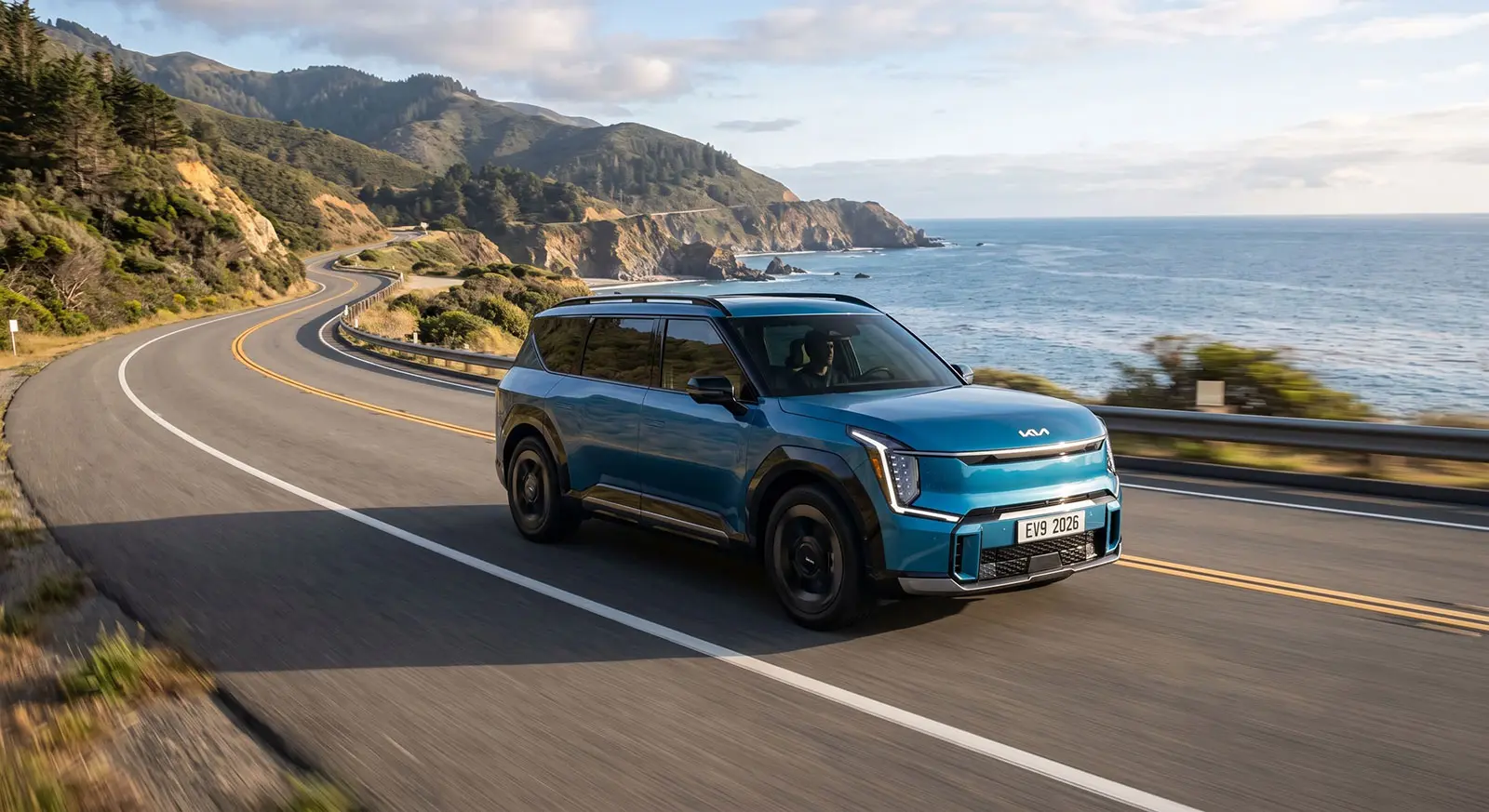
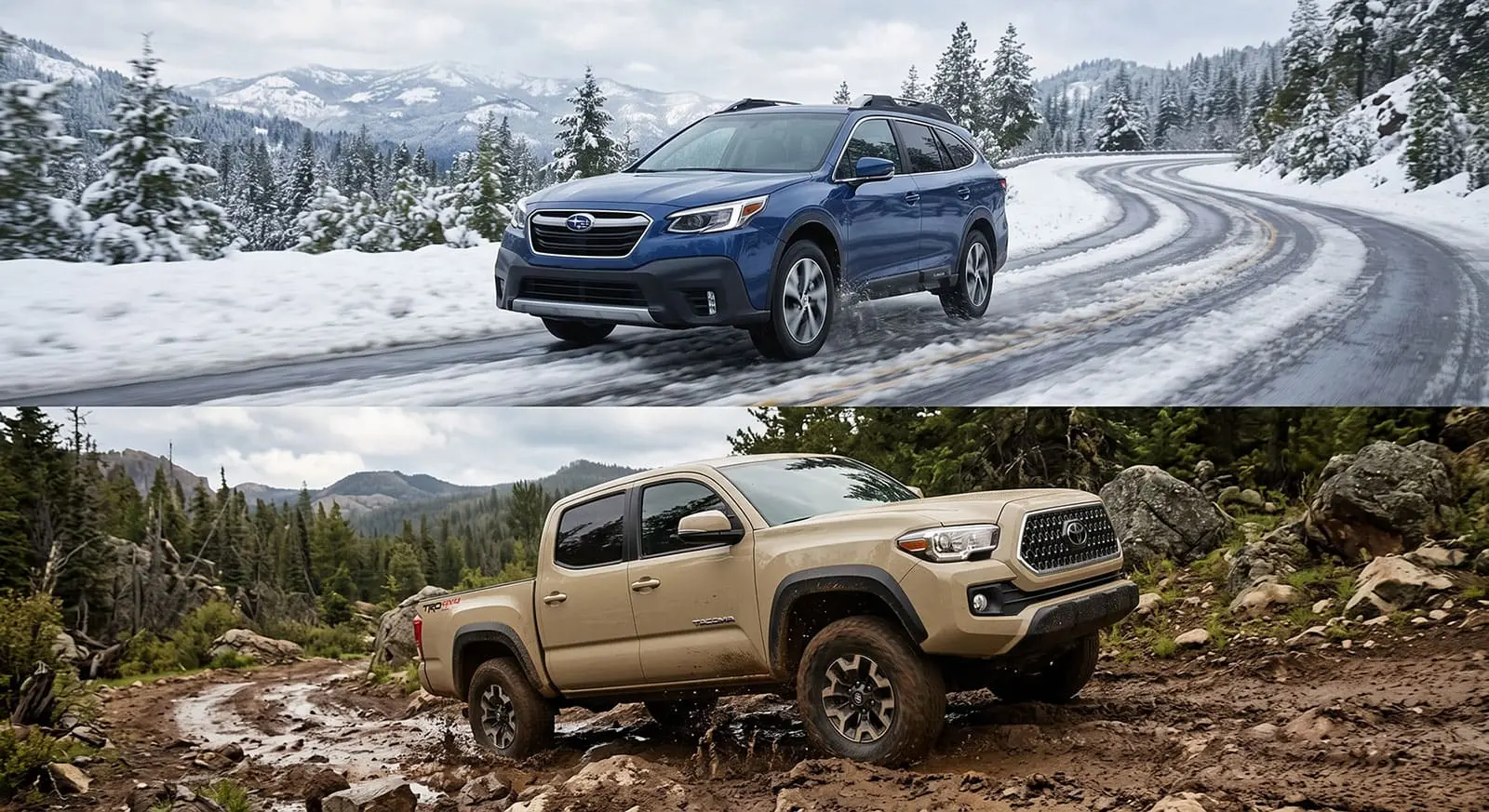
Choosing a car with the right drivetrain can feel confusing, especially when two terms, All Wheel Drive (AWD) and 4 Wheel Drive (4WD), are often used as if they mean the same thing. They do not. Both systems send power to all four wheels, but they do it in different ways, using different hardware, and they are built for different kinds of roads. Some drivers need a system that quietly helps them get through a rainy commute. Others need something strong enough to climb a muddy trail or push through two feet of snow. The right choice depends heavily on where you live, what kind of roads you use most, and how extreme your weather really gets throughout the year.
This guide will walk you through how AWD and 4WD actually work under the hood, how each one performs across different climates around the world, from snowy mountain regions to hot deserts and rainy coastal cities, and which option makes more financial and practical sense for your lifestyle. We will also cover cost, fuel use, and maintenance, since those factors matter just as much as raw performance. By the end, you should be able to make a confident decision instead of guessing based on marketing terms.
What Is All Wheel Drive (AWD)
All Wheel Drive is a system designed mainly for everyday driving on paved roads, though it can also handle light gravel and mild slippery conditions. It automatically sends power to all four wheels at the same time, or shifts power between the front and rear wheels depending on which ones have the most grip at any given moment. The driver usually does not need to press any buttons or flip any switches. The car handles everything in the background, which is exactly why AWD has become so popular in modern sedans, crossovers, and family SUVs.
How AWD Works
Most AWD systems rely on a network of sensors that constantly monitor wheel speed, steering angle, and traction at each corner of the car. If the front wheels start to slip on a wet or icy patch, the system reacts within milliseconds and sends more power to the rear wheels, or the other way around depending on the layout. This happens so quickly that most drivers never even notice it happening. All they feel is a car that stays planted and stable, even when the road surface changes suddenly.
Because this process is fully automatic, AWD is ideal for people who want extra safety without having to think about it. There is no need to stop the car, get out, or manually switch a mode. This is one of the biggest reasons carmakers now offer AWD as a common option on family vehicles rather than just specialty off-road trucks.
Types of AWD Systems
There are generally two types of AWD systems used in modern vehicles.
Full-time AWD sends power to all four wheels continuously, no matter what the road condition looks like. This gives constant, predictable grip in almost any situation, which many drivers appreciate in areas with unpredictable weather. The tradeoff is that a full-time system is always working, which can slightly reduce fuel economy compared to a part-time setup.
Part-time, or on-demand AWD, normally drives just two wheels, usually the front ones, and only sends power to the rear wheels when sensors detect wheel slip. This setup is lighter, simpler, and more fuel-efficient during normal driving. The small downside is that it reacts a fraction of a second slower than a full-time system, since it first needs to detect slipping before adjusting power.
What Is 4 Wheel Drive (4WD)
4 Wheel Drive, often called 4x4, is a system built for tougher conditions such as deep snow, thick mud, loose sand, and rocky mountain trails. It is most common in pickup trucks, off-road SUVs, and vehicles built for rugged, demanding use rather than smooth daily commuting. Unlike AWD, traditional 4WD systems usually give the driver direct, manual control over how and when power gets distributed to the wheels.
How 4WD Works
In a classic 4WD setup, engine power is split evenly between the front and rear axles once the driver manually activates Four Wheel Drive mode. Many 4WD vehicles also come with a low range gear setting, which multiplies torque and gives the vehicle extra pulling power at very low speeds. This is what allows a 4WD truck to crawl up a steep, rocky hill or pull itself through deep mud without stalling.
This strength comes with a catch. Because the front and rear axles are locked together in 4WD mode, the wheels are forced to spin at the same speed. On loose surfaces like snow, sand, or mud, this is not a problem because the wheels can slip slightly to compensate. On dry or wet pavement, however, locked axles cause the drivetrain to bind during turns, which can lead to unusual noises, steering strain, and even mechanical damage over time. This is why most 4WD vehicles are designed to be driven in two-wheel drive mode on normal paved roads, with Four Wheel Drive reserved specifically for rough terrain.
Part-Time and Full-Time 4WD
Part-time 4WD lets the driver manually switch between two-wheel drive and Four Wheel Drive depending on the terrain. This setup is common in pickup trucks and work vehicles, and it offers good fuel economy during regular driving since Four Wheel Drive is only engaged when actually needed.
Full-time 4WD keeps all four wheels powered at all times, similar in concept to full-time AWD, but built with heavier-duty components, low-range gearing, and stronger axles meant for serious off-road use. This type is often found in larger SUVs designed to handle both daily driving and challenging trails without switching modes constantly.
AWD vs 4WD in Different Climates
This is the part that matters most if your main concern is weather and road conditions rather than off-road adventure. Since this comparison is meant for a global audience, let's look at how each system performs across several very different climate types found around the world.
Snow and Ice
In light to moderate snow, both AWD and 4WD perform reasonably well, especially when paired with proper winter tires. For regular winter roads, city driving, and daily highway commuting in snowy regions, AWD tends to feel smoother and more convenient because it adjusts automatically without the driver needing to switch anything.
For deep, unplowed snow, mountain passes, or areas that regularly face extreme winter storms, 4WD often has an advantage because of its stronger torque delivery and low-range gearing. These features help push through thick snowbanks and climb steep, icy roads that would challenge a standard AWD crossover.
Rain and Wet Roads
For countries and regions with frequent heavy rain rather than snow, such as tropical or monsoon climates, AWD is usually the more practical choice. It reacts quickly to slippery wet pavement, improves stability during sudden downpours, and works seamlessly without requiring the driver to think about switching modes. Since most 4WD vehicles are not meant to run in Four Wheel Drive mode on normal wet pavement, AWD is simply better suited to climates where rain, rather than deep snow or mud, is the main challenge.
Hot and Dry Climates
If you live in a hot, dry climate with mostly paved roads and little rain or snow, neither AWD nor 4WD may be strictly necessary for most of the year. A standard Front Wheel Drive or Rear Wheel Drive car, paired with good quality tires, can perform just as well in these conditions while saving fuel and lowering running costs.
That said, many hot and dry regions also include occasional dust storms, sudden flash floods, or long stretches of unpaved rural roads. In these cases, AWD can still offer useful extra grip and confidence, while 4WD becomes genuinely valuable if you plan to regularly drive off the main paved routes into desert or backcountry areas.
Off-Road and Rough Terrain
For rocky trails, deep mud, river crossings, sand dunes, or steep unpaved mountain roads, 4WD is generally the stronger and safer choice. Its low-range gearing, reinforced axles, and rugged construction are built specifically for this kind of demanding driving. AWD can handle light gravel roads and mild off-road trails without much trouble, but it is simply not built to withstand the same level of stress and abuse that a proper 4WD system can take on a regular basis.
Which One Should You Choose
Once you understand how each system actually performs, the next step is thinking carefully about cost, upkeep, and your real, everyday driving habits rather than an imagined worst-case scenario.
Cost and Fuel Efficiency
AWD vehicles are usually lighter than comparable 4WD vehicles, which means they tend to use less fuel over time. They are also often less expensive to buy upfront, since AWD is now common across many mainstream cars, crossovers, and family SUVs rather than being limited to specialty trucks. 4WD vehicles, especially those with low-range gearing, transfer cases, and heavier frames, usually cost more to purchase and consume more fuel because of their added weight and mechanical complexity.
Maintenance
Both systems require more maintenance than a standard two-wheel-drive car, simply because there are more moving mechanical parts involved. That said, 4WD systems, particularly part-time setups with transfer cases and locking hubs, can sometimes require more specialized servicing and knowledgeable mechanics. AWD systems are generally simpler and cheaper to maintain since they operate automatically and involve fewer components that the driver needs to manage directly.
Best Choice by Lifestyle
If you mainly drive in the city, commute along highways, or deal with occasional rain, light snow, or slush during the year, AWD is likely the better and more practical option for you. It offers added safety and confidence without demanding much extra effort, cost, or driver attention.
If you regularly drive through extreme winter conditions, live in a rural area with unpaved roads, tow heavy loads, or genuinely enjoy off-road adventures on weekends, 4WD is worth the extra investment. It is engineered to handle situations that AWD was never really designed to face, and it will reward you with far more capability when the terrain gets tough.
Conclusion
Both All Wheel Drive and 4 Wheel Drive exist to give your vehicle better traction and control, but they are built with very different goals in mind. AWD works best for everyday driving in rain, light snow, and unpredictable weather, offering a smooth, automatic experience with less weight and better fuel economy. 4WD is built for serious off-roading, deep snow, and rugged terrain, giving drivers more manual control and mechanical strength when conditions get extreme.
The right choice really comes down to your local climate, your driving habits, and how often you find yourself outside of normal paved roads. Before making a decision, think honestly about where you drive most often throughout the year, consider your budget for fuel and long-term maintenance, and choose the system that matches your real-world needs rather than simply the one that sounds more powerful or impressive on paper.

Written by Maarukh Shahbaz
Published Sep 22, 2026 in Comparisons.