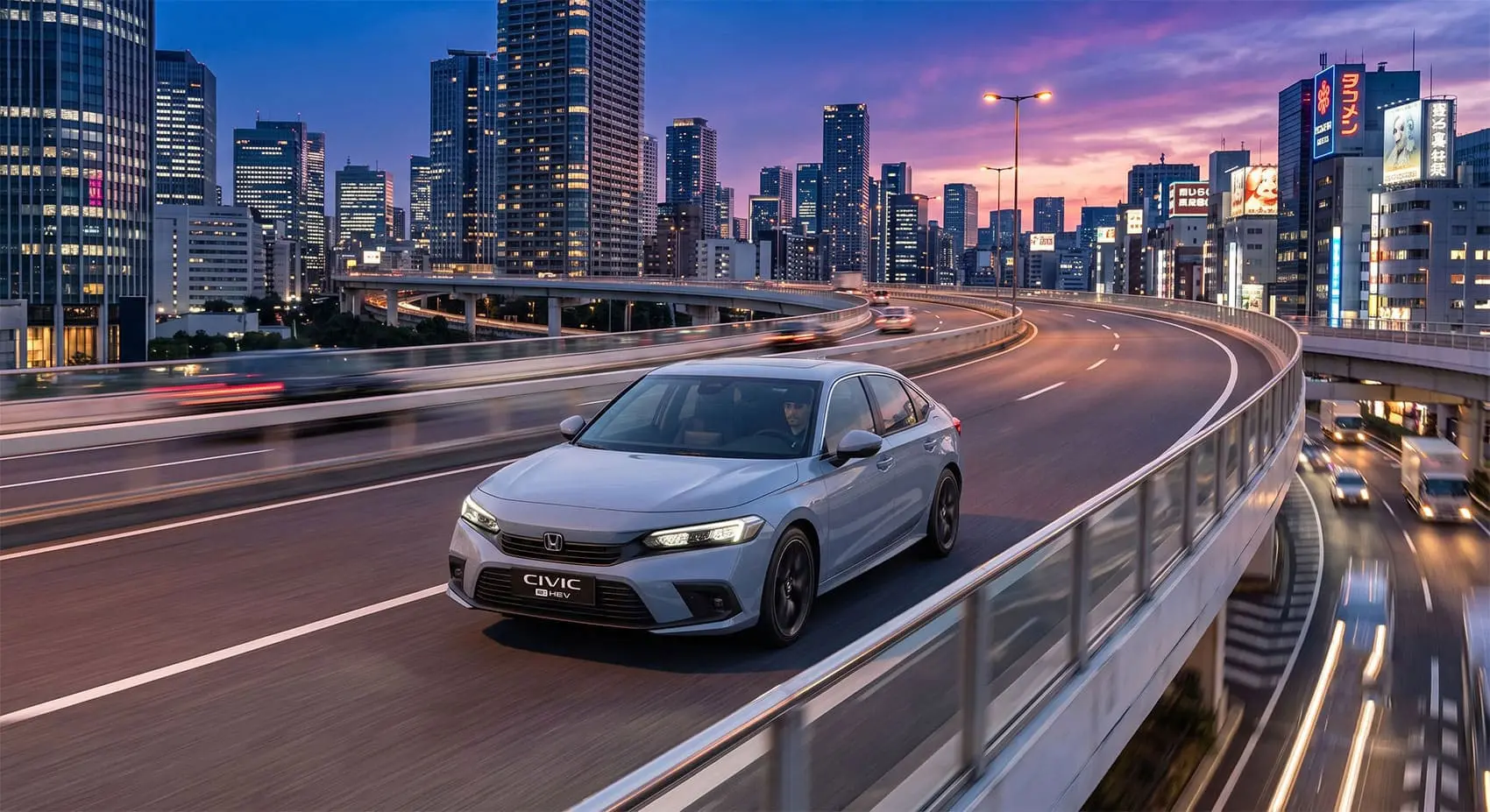
When the news first broke that the new Honda Civic Hybrid was coming, the automotive world collectively leaned in. We’ve all been conditioned to believe that Honda the company that arguably perfected the sensible, reliable, and fun-to-drive compact car couldn't possibly miss the mark with a hybrid powertrain. After all, the Civic has been the gold standard for decades, and combining that legacy with Honda’s latest two-motor hybrid system sounded like the automotive equivalent of a cheat code. Efficiency, power, and that legendary reliability all wrapped in a sleek, modern chassis. It felt like the "forever car" for commuters and driving enthusiasts alike.
I fell for the hype, just like thousands of others. I wanted the best of both worlds: the guilt-free fuel economy of a hybrid and the engaging handling that has defined the Civic nameplate for generations. And to be fair, in many ways, it lives up to the promise. The power delivery is instant, the ride quality is generally composed, and, yes, the fuel economy figures are everything Honda promised. But after living with the car driving it through gridlocked city traffic, taking it on long highway hauls, and dealing with it in the mundane daily grind the "new car smell" has faded, and the realities of ownership have started to set in.
The thing about "perfect" cars is that they don't exist. There is always a trade-off, a design decision, or a quirk that manufacturers brush under the rug during marketing campaigns. As an owner who drives this vehicle every single day, I’ve found that while the engineering underneath the hood is brilliant, the daily experience is peppered with small, persistent irritations. This isn't a hit piece meant to steer you away from the dealership, nor is it a biased endorsement. It’s an honest, unfiltered look at the five things I’ve found myself genuinely hating about the new Honda Civic Hybrid. If you are considering dropping your hard-earned money on one, you deserve to know what life with this car really looks like once you’ve pulled out of the dealership lot and the sales pressure has dissolved. Let’s peel back the layers and talk about the flaws that don't make it into the glossy brochures.
Point 1: The Infotainment Glitches
It’s 2026, and by now, we all expect our cars to function like smartphones on wheels. We want seamless integration, lightning-fast response times, and, above all, reliability. Unfortunately, the infotainment system in the new Honda Civic Hybrid feels like it’s perpetually lagging behind the rest of the car’s sophisticated engineering. While the display itself is crisp and the layout is intuitive enough, the actual execution is where the frustration begins. I’ve lost count of the number of times I’ve hopped into the driver’s seat, pressed the start button, and waited and waited for the system to boot up. It isn’t just a matter of a few extra seconds; it’s the inconsistency that grates on your nerves.
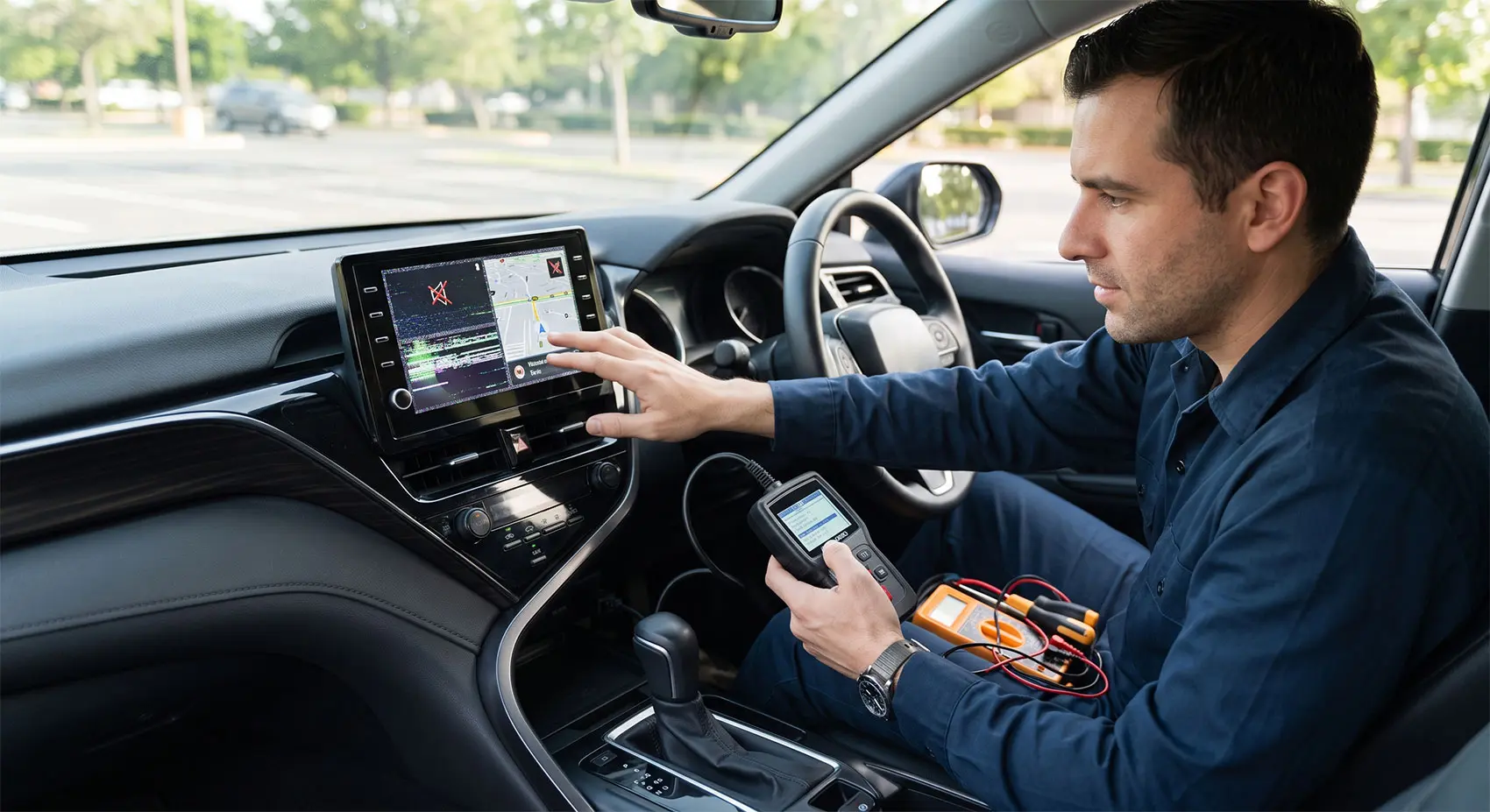
The most glaring issue is the wireless Apple CarPlay and Android Auto connectivity. When it works, it’s brilliant. When it doesn't which happens far more often than it should it becomes a source of genuine road rage. There have been countless mornings during my commute where the system simply refuses to pair with my phone. I find myself parked on the side of the road, toggling Bluetooth settings on and off, force-quitting apps, or even resorting to the archaic method of unplugging and plugging in a physical cable just to get my navigation back. For a vehicle that prides itself on being a high-tech hybrid, having to fight with a digital interface every morning feels like a massive step backward.
Furthermore, the system is prone to freezing during navigation or mid-track audio playback. Imagine you’re navigating through a complex intersection in an unfamiliar city, and the screen suddenly goes blank or the map display hangs. It’s not just an inconvenience; it’s a genuine distraction that forces you to take your eyes off the road to troubleshoot a glitching screen. Honda has always been known for rock-solid mechanical reliability, but it seems that their transition into the digital-first era still has some significant growing pains. These bugs might seem like "first-world problems," but when you pay a premium for a new model, you expect the cabin technology to be as reliable as the powertrain. Right now, the infotainment system is the weakest link in an otherwise stellar machine.
Point 2: Road Noise at Highway Speeds
For a hybrid vehicle that is marketed as a serene, efficient commuter, the cabin noise levels at highway speeds are surprisingly unrefined. When you’re cruising at 70–75 mph, the Civic Hybrid doesn’t quite offer the "vault-like" silence that some of its competitors manage to achieve. It isn’t that the engine is screaming in fact, the hybrid system is impressively quiet when it’s doing its job but rather the lack of acoustic insulation in the wheel wells and door panels. You find yourself constantly aware of the tire roar and the wind rushing past the A-pillars. It’s not just a subtle hum; on rougher patches of asphalt, the noise level increases to the point where you have to raise your voice slightly to maintain a conversation with your passenger, or crank up the volume of your music just to drown out the drone.
It’s a strange contradiction. Honda has put so much effort into making the drivetrain whisper-quiet, only to have that hard work undermined by what feels like cost-cutting in the sound-deadening department. For short commutes, it’s a non-issue. But when you’re on a long road trip, this persistent background noise becomes a form of "fatigue by a thousand cuts." You arrive at your destination feeling slightly more worn down than you should, simply because your brain has been processing that low-frequency drone for hours. In a car that is perfectly geared for long-distance efficiency, it’s a real shame that the interior ambiance doesn't match the competence of the powertrain. It reminds you that underneath the fancy hybrid badges and the high-tech dashboard, this is still, fundamentally, an economy car. When you’re paying a premium for the hybrid trim, you expect a more premium-feeling experience, and for me, the intrusive road noise is a constant reminder that Honda missed an opportunity to make the Civic Hybrid a true class-leader in interior refinement.
Point 3: Seat Comfort & Ergonomics
After spending several hours behind the wheel, the reality of the Civic Hybrid’s seating ergonomics starts to manifest. On shorter commutes, the seats feel firm and supportive, which is a hallmark of Honda’s recent interior design language. However, as someone who frequently takes the car on longer weekend trips, I’ve found that the lack of adjustable lumbar support is a glaring oversight. For a car that is marketed as a tech-forward, premium hybrid, having to rely on a manual lever or, worse, nothing at all, feels like a missed opportunity for driver comfort.
The seat cushioning itself is another point of contention. It’s dense almost to a fault. While some drivers prefer a stiffer seat because they feel it provides better support over time, this particular setup seems to lack that "sweet spot" of initial comfort. After about two hours on the highway, I find myself shifting constantly, trying to find a position that doesn’t put pressure on my lower back or hips. It’s the kind of discomfort that sneaks up on you, making the end of a long drive feel more exhausting than it should be.
Furthermore, the adjustment range for the steering wheel and seat height feels somewhat restrictive. If you are taller or have a specific driving posture, you might find that you can’t quite get the perfect alignment between your legs and the pedals without feeling like you’re sitting too close to the dash or too far from the wheel. The cockpit is undeniably stylish, but it prioritizes aesthetic form over the varied, real-world needs of different body types. In a vehicle that is ostensibly built for the "daily driver," ergonomic versatility should be a non-negotiable feature. Instead, I’m left feeling like the interior designers spent more time focusing on the sleek dashboard lines than on the actual physics of human sitting postures during extended use.
Point 4: The Missing Spare Tire
There is a specific kind of anxiety that settles in when you realize, mid-road trip, that your vehicle does not carry a spare tire. In the pursuit of maximizing trunk space and accommodating the battery pack for the hybrid system, Honda has opted for a tire repair kit instead of a traditional spare. While I understand the engineering constraints battery placement is crucial for handling and weight distribution it feels like a significant oversight for a car that is otherwise perfectly positioned for long-distance commuting.
The reality of a repair kit is vastly different from having a full-size or even a donut spare. If you suffer a sidewall tear or a puncture that is too large for the sealant, you are effectively stranded. You aren't just changing a tire on the side of the highway; you are waiting for a tow truck, potentially in the middle of nowhere, with no quick solution to get back on the road. For the average city driver, this might be a non-issue that you can live with for years. But for those of us who prioritize versatility and independence, it’s a constant "what-if" hanging over our heads. It’s one of those modern automotive trends replacing essential hardware with "weight-saving" solutions that prioritizes marketing metrics like "cargo capacity" over the actual, practical needs of an owner. When I’m driving through rural areas late at night, I don't care about the extra storage space in the trunk; I care about having a backup plan that doesn't involve waiting two hours for a flatbed.
Point 5: The "Synthetic" Braking Feel
Finally, we have to talk about the braking. In a hybrid, you aren't just using friction brakes; you’re engaging the regenerative braking system to recharge the battery. When engineered perfectly, this transition should be invisible. In the new Civic Hybrid, it’s… noticeable. There is a distinct, synthetic "stepping" feel as you move from the regenerative phase to the traditional hydraulic friction brakes. In heavy, stop-and-go city traffic, where you’re constantly modulating the pedal to maintain a smooth gap, this nonlinearity becomes incredibly annoying.
Sometimes, you’ll find that the car bites harder than you intended at low speeds, leading to those jerky, head-nodding stops that feel like a beginner is behind the wheel. Other times, you feel as though the pedal travel doesn't correlate with the actual deceleration, which forces you to constantly adjust your pressure. It robs you of the confidence and predictability that you expect from a car known for its driving dynamics. While it’s certainly something you can learn to drive around with enough practice, it shouldn't require a "learning curve" to come to a smooth, comfortable stop. It’s a classic example of technology complicating a fundamental automotive function braking that should be smooth, linear, and completely intuitive. When you’re stuck in rush-hour traffic, this lack of refinement is the last thing you want to be worrying about.
Conclusion
After reading through these grievances, you might be wondering: "Is this car a mistake?" The honest answer is a resounding "no." Despite the frustrations I’ve laid out the occasional infotainment glitch, the road noise, the lack of a spare, the stiff seating, and the synthetic brake feel the Honda Civic Hybrid remains one of the most competent, efficient, and well-engineered vehicles in its class. When you look at the macro picture, the trade-offs I’ve described are, for the most part, nits that exist on the margins of an otherwise excellent ownership experience.
The powertrain is truly the star of the show here. The way it manages the transition between electric-only propulsion and the gas engine is, despite my complaints about the brakes, a masterclass in efficiency. You are getting a car that delivers class-leading fuel economy without sacrificing the agility and steering feel that makes the Civic such a joy to pilot through twisty backroads. When the road opens up and you’re cruising in that sweet spot where the hybrid system is doing its best work, you forget about the infotainment lag or the lack of lumbar support. You are simply driving a car that feels lighter, sharper, and more refined than almost anything else in the compact segment.
Ultimately, the new Honda Civic Hybrid is a car for the pragmatic driver who wants to spend less at the pump without giving up the "fun" factor. It’s for the commuter who spends hours in traffic and appreciates the low-stress, high-efficiency nature of a modern hybrid. If you can live with the quirks and perhaps invest in a set of better tires to mitigate the road noise or find a small aftermarket lumbar cushion you’ll likely find that the positives far outweigh the negatives. It’s an honest, hard-working machine that delivers exactly what it promises on the spec sheet, even if it has a few rough edges that remind you it’s still a product of the real world. Would I buy it again? Absolutely. But I’d go into the dealership with my eyes wide open, knowing exactly what I was signing up for.

Written by Maarukh Shahbaz
Published Jul 13, 2026 in Car Reviews.