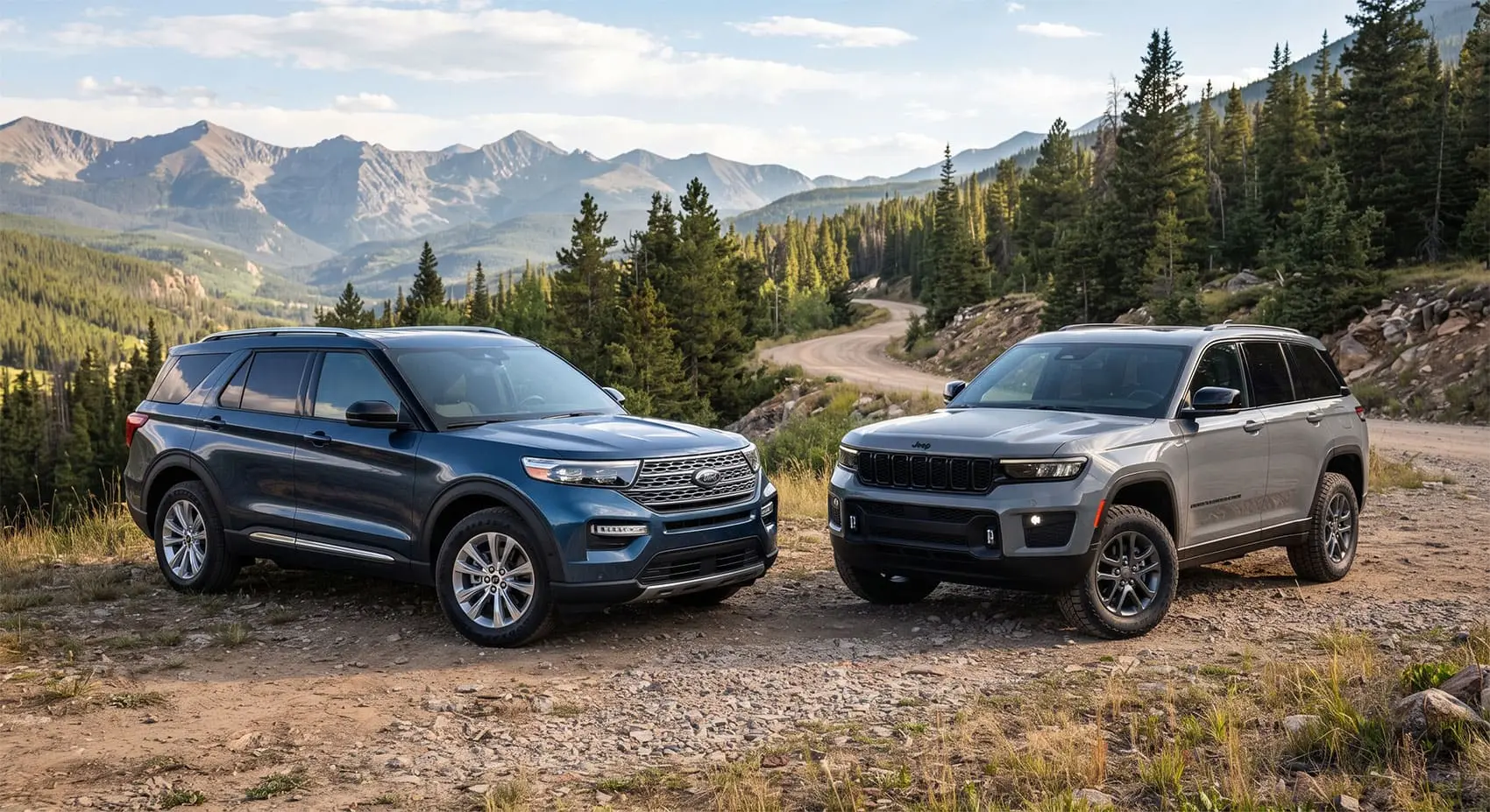
When it comes to the highly competitive midsize SUV landscape, few rivalries run as deep or as fiercely contested as the one between the Ford Explorer and the Jeep Grand Cherokee. For decades, these two iconic American nameplates have battled for driveway supremacy, serving as the go-to choices for families, road-trip enthusiasts, and everyday commuters alike. However, as automotive engineering and consumer expectations evolve rapidly, choosing between them has become less about brand loyalty and much more about matching specific daily requirements with vehicle capabilities.
On one side of the ring sits the Ford Explorer, a three-row behemoth engineered from the ground up to prioritize family utility, modern highway ergonomics, and versatile interior space. On the other stands the Jeep Grand Cherokee, a rugged two-row icon rooted deeply in off-road pedigree, offering a balanced blend of traditional trail-conquering prowess and sophisticated styling. For family buyers navigating carpools, grocery runs, and cross-country vacations, the divergence in their design philosophies creates a fascinating crossroads.
This deep-dive comparison cuts through the marketing noise to examine three compelling reasons why the Ford Explorer ultimately takes the crown over the Jeep Grand Cherokee for most everyday drivers while also highlighting two crucial factors where the Jeep still holds a distinct competitive edge. Whether you are prioritizing maximum seating capacity, turbocharged highway efficiency, or legendary weekend exploration, understanding these core trade-offs will ensure your next automotive investment matches your lifestyle perfectly.
Reason to Choose
Superior Passenger and Cargo Space (The 3-Row Advantage)
When families evaluate midsize SUVs for daily duty, cabin configuration and spatial versatility frequently serve as the ultimate deal-breakers. The Ford Explorer enters this battle with a distinct structural advantage: a standard three-row layout capable of comfortably seating up to seven passengers. Contrast this with the Jeep Grand Cherokee, which primarily operates as a two-row vehicle in its standard configuration, forcing buyers who need a third row to step up to the larger and more expensive Grand Cherokee L. For parents managing growing families, carpool rotations, or sports team equipment, having that third row built-in right out of the box changes everything.
Diving into the numbers reveals just how much more accommodating the Explorer is for everyday cargo management. With all rear rows folded flat, the Ford Explorer opens up a massive cargo hold that easily swallows bulky strollers, camping gear, or DIY project supplies from the local hardware store. Even when using all three rows of seating, the Explorer carves out enough trunk space to fit grocery bags without requiring a game of automotive Tetris. The Jeep Grand Cherokee, while spacious in its own right for a two-row cabin, simply cannot match the sheer volumetric flexibility of a dedicated three-row platform.
Furthermore, accessing the third row in the Explorer has been engineered with real-world family convenience in mind. Ford’s E-Z Entry second-row mechanism allows seats to tip and slide forward smoothly, even with a child safety seat installed in certain configurations, making loading and unloading kids a breeze. Meanwhile, the Grand Cherokee’s cabin layout prioritizes a more traditional two-row luxury lounge feel, which works wonderfully for couples or smaller households, but leaves active families wanting when extra seating is non-negotiable.
EcoBoost Performance and Powertrain Efficiency
When you pop the hood and look at how these two midsize SUVs deliver power to the pavement, their underlying engineering philosophies become crystal clear. The Ford Explorer leans heavily into modern forced-induction technology, anchoring much of its lineup around Ford's proven EcoBoost engine architecture. For instance, the popular 2.3-liter EcoBoost turbocharged inline-four punches well above its weight class, delivering robust horsepower and a healthy surge of low-end torque that makes passing slow-moving highway traffic effortless. If you step up to higher trims, the available 3.0-liter EcoBoost V6 turns the Explorer into a genuinely fast performance utility vehicle, providing sports-car-like acceleration without sacrificing daily drivability.
In contrast, the Jeep Grand Cherokee relies on a more traditional powertrain approach, traditionally featuring a naturally aspirated 3.6-liter Pentastar V6 as its baseline engine, alongside available plug-in hybrid 4xe variants. While the Pentastar V6 is buttery smooth and boasts a long-standing reputation for durability, it lacks the immediate, punchy mid-range thrust provided by Ford’s turbochargers. When you are loaded down with family luggage, sporting gear, and a full cabin of passengers merging onto a fast-moving interstate, the Explorer's EcoBoost engine configuration delivers that extra reserve of power right when you need it most, without forcing you to wring out high RPMs.
Furthermore, efficiency plays a massive role in long-term ownership satisfaction for family transport. Thanks to active grille shutters, direct fuel injection, and intelligent 10-speed automatic transmission tuning, the Ford Explorer manages to squeeze impressive highway fuel economy numbers out of its robust powerplants. It strikes a rare balance: giving drivers substantial towing capacity for weekend boat or camper trailer trips while keeping fuel stops manageable during routine weekly school drops and grocery runs.
Advanced Infotainment and Family-Friendly Tech Integration
When you spend hours behind the wheel on daily commutes or cross-country road trips, a vehicle's in-car technology can make or break the driving experience. The Ford Explorer excels in this arena by integrating Ford’s intuitive SYNC 4 infotainment system, paired with crisp touchscreen real estate that puts navigation, media controls, and climate adjustments right at your fingertips. Wireless Apple CarPlay and Android Auto come together seamlessly, ensuring that drivers can connect their devices without fumbling with cables. Additionally, the Ford Co-Pilot360 safety suite comes packed with advanced driver-assist technologies—including pre-collision assist, lane-keeping systems, and blind-spot monitoring—providing an extra layer of active protection for your precious cargo.
By comparison, the Jeep Grand Cherokee counters with its own impressive Uconnect system, which is widely praised for its sharp graphics and responsive touchscreen layout. Higher trims even offer a dedicated passenger-side display screen to keep co-pilots entertained. However, where the Explorer pulls ahead for family utility is how it distributes connectivity throughout all three rows. USB charging ports are readily accessible for second- and third-row occupants, meaning tablets and phones stay charged during long journeys without messy cord tangles stretching from the front console.
Ultimately, both SUVs offer modern, high-tech cabins that satisfy tech-savvy buyers, but the Explorer’s interface prioritizes straightforward, distraction-free usability that works intuitively for every member of the family.
Reason Not to Choose
Off-Road Capability and Trail Performance
While the Ford Explorer dominates when it comes to paved-road utility, passenger volume, and multi-row flexibility, the tables turn the moment your driving route shifts from smooth asphalt to rugged, unpaved terrain. This is precisely where the Jeep Grand Cherokee reclaims its throne. Rooted deeply in Jeep’s legendary off-road heritage, the Grand Cherokee is engineered to handle punishing environments that would leave standard family crossovers hesitant. Featuring advanced available four-wheel-drive systems like Quadra-Drive II, a rear electronic limited-slip differential, and the class-leading Quad-Lift air suspension, the Jeep provides exceptional ground clearance and suspension articulation over rocky obstacles, deep ruts, and slippery mud trails.
For outdoor enthusiasts, weekend campers, and adventure seekers who frequently navigate challenging backroads or inclement weather conditions requiring serious rock-crawling capability, the Grand Cherokee offers a level of mechanical confidence that the Explorer simply cannot match. While the Explorer does offer intelligent 4WD systems and selectable drive modes suited for light snow or gravel paths, it lacks the specialized low-range gearing and specialized suspension travel built into Jeep's architecture. If your definition of a family weekend involves tackling backcountry trails rather than just pulling into a well-paved campsite, the Jeep Grand Cherokee remains the superior trailblazer.
Cabin Refinement and Material Quality at Mid-Tier Trims
When prospective buyers step inside the cabin of a midsize SUV for a test drive, the tactile feel of the materials, the precision of the stitch-work, and the overall ambiance play a massive role in sealing the deal. This is another domain where the Jeep Grand Cherokee fights back aggressively, particularly when you compare mid-tier and luxury-leaning trim levels. Jeep has made immense strides in elevating its interior craftsmanship, outfitting the Grand Cherokee with richly textured leather upholstery, exquisite open-pore wood trim accents, and sophisticated digital dashboard layouts that easily punch above their price class. The overall design language inside a mid-tier Grand Cherokee feels deliberately tailored toward a boutique, upscale luxury experience that feels akin to European import alternatives, creating a genuinely cocooned, premium environment for both drivers and passengers.
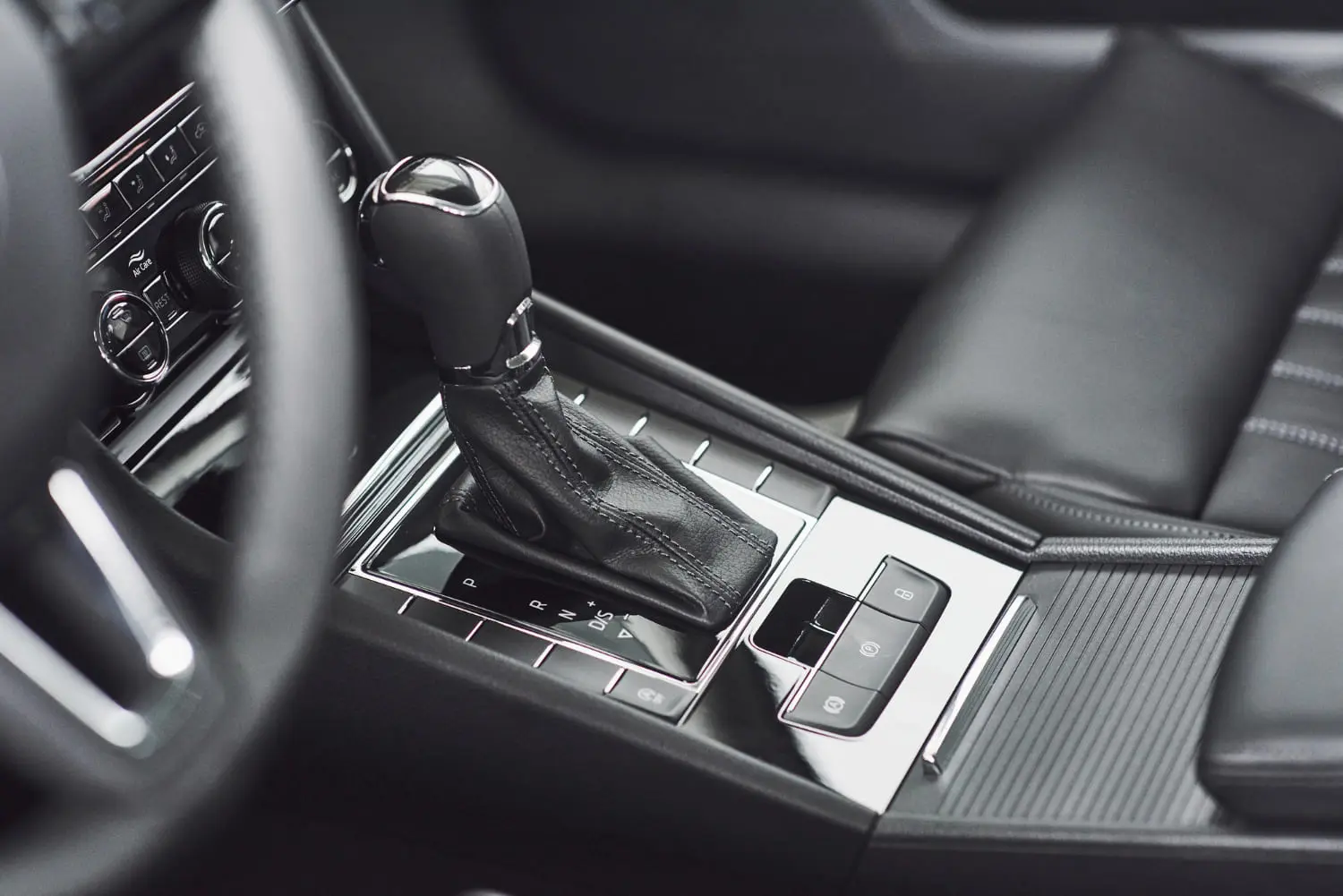
On the flip side, while the Ford Explorer offers a highly functional, ergonomic, and durable cabin built to withstand the chaotic daily realities of family transport, some of its mid-tier trims rely more heavily on utilitarian plastics and standard composite surfaces. While these materials are undeniably robust, easy to clean after accidental spills, and designed for heavy wear-and-tear, they can occasionally lack the plush, premium tactile gratification found in competing Jeep models. Furthermore, the acoustic dampening and ambient lighting execution in mid-level Explorers lean heavily toward practical utility rather than sensory indulgence. For drivers who place interior aesthetic elegance, luxurious material softness, and high-end sensory appeal at the very top of their priority list during daily commutes, the Grand Cherokee’s cabin execution holds a distinct psychological and stylistic advantage that can heavily sway a final purchase decision.
Conclusion
When all is said and done, choosing between the Ford Explorer and the Jeep Grand Cherokee comes down to an uncompromising assessment of your daily lifestyle priorities versus your weekend ambitions. If your routine revolves around managing a growing family, navigating carpool schedules, hauling sports equipment, and embarking on comfortable cross-country road trips, the Ford Explorer stands out as the ultimate winner. Its clever three-row configuration, robust and fuel-efficient EcoBoost powertrain options, and comprehensive family-friendly technology ensure that everyday driving chores are handled with maximum ease and spatial versatility. Furthermore, the peace of mind offered by advanced driver-assist suites makes highway commuting safer and less fatiguing for long-distance drivers.
On the flip side, if your heart lies off the beaten path, and your weekends are defined by tackling rugged trails, unpredictable weather conditions, and backcountry exploration, the Jeep Grand Cherokee offers an unmatched mechanical heritage and off-road pedigree. Furthermore, its boutique interior styling and upscale tactile refinement at mid-tier levels appeal directly to buyers who prioritize luxury craftsmanship over multi-row passenger capacity. Ultimately, both of these American automotive icons excel brilliantly at what they were engineered to do; aligning their strengths with your specific needs will guarantee total satisfaction in your driveway. By carefully weighing the long-term utility of a third row against the undeniable pull of legendary off-road hardware, you can invest in an SUV that turns every drive—whether a quick grocery run or an epic weekend excursion into an absolute pleasure.

Written by Maarukh Shahbaz
Published Jul 24, 2026 in Comparisons.