In the fast-paced automotive landscape of 2026, the definition of a "well-maintained" vehicle has undergone a radical transformation. Only a few years ago, a clean service record and a recent car wash were enough to satisfy most buyers. Today, however, the used car market is more sophisticated and competitive than ever. As we navigate a year where vehicle longevity and aesthetic perfection are prioritized by a global audience of savvy investors, ceramic coating has emerged from the niche world of luxury detailing to become the definitive trend for resale value protection.
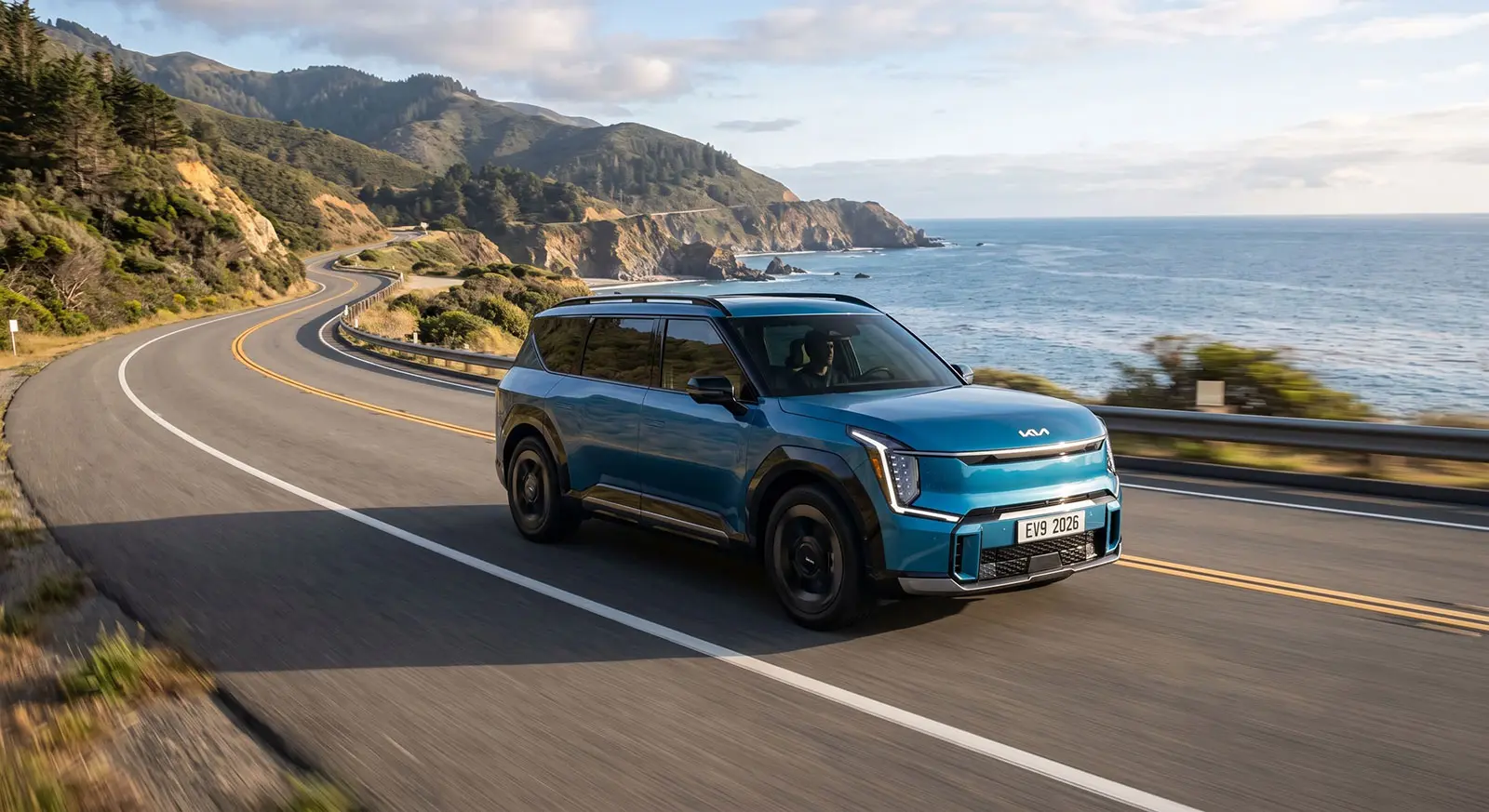
The psychological impact of "The Glass Finish" cannot be overstated. When a potential buyer approaches a vehicle in 2026, they aren't just looking for mechanical reliability; they are looking for evidence of meticulous care. A car treated with modern ceramic technology doesn't just look clean—it possesses a deep, liquid-like luster that signals the owner has shielded their asset against the elements. This visual "pop" creates an immediate emotional connection, often allowing sellers to bypass the grueling negotiations that plague neglected vehicles.
But the trend isn't just about vanity. The 2026 market is defined by a shift toward data-driven value. With the rise of advanced SiO2 and Graphene-infused formulas, ceramic coatings now offer a level of permanence that traditional waxes could never dream of. Buyers are increasingly looking for "transferable protection"—a guarantee that the car they are purchasing will remain easy to clean and resistant to the intensifying UV rays and environmental pollutants of our current climate. In this blog, we will explore why ceramic coating has become the "standard expectation" for 2026, how the science has evolved to include self-healing properties, and exactly how much cash this invisible shield adds to your bottom line when it’s time to trade in.
The Science of 2026 Ceramic Technology
The ceramic coatings of 2026 are light-years ahead of the basic liquid glass products of the early 2020s. We have moved beyond simple Silicon Dioxide (SiO2); the industry standard has now shifted toward Graphene-enhanced structures and Self-Healing Molecular Chains. These advancements aren't just buzzwords—they represent a fundamental change in how a coating interacts with a vehicle's clear coat at a microscopic level.
The Rise of Self-Healing Nanotechnology
One of the most significant breakthroughs in 2026 is the mainstream availability of "elastic" ceramic coatings. Traditional coatings were hard and brittle, meaning while they resisted scratches, they could eventually crack or chip. Modern self-healing coatings utilize thermoplastic polymers that "flow" when exposed to heat (like sunlight). This means that light swirl marks or micro-scratches—the kind that usually dull a car's finish over time—literally disappear when the car sits in the sun for an hour. For a seller, this translates to a car that looks "factory fresh" even after 50,000 miles of driving.
Smart Monitoring & Durability
In 2026, we’ve also seen the integration of Smart Monitoring indicators within professional-grade coatings. Some of the top-tier formulas now include UV-reactive tracers. When viewed through a specific mobile app or specialized light, these tracers show the owner exactly where the coating is still strong and where it might need a "top-up" spray. This removes the guesswork from maintenance. Furthermore, while a 2-year lifespan used to be the benchmark, 2026 formulations are routinely offering 10 to 15-year durability, effectively outlasting the average period of first-hand ownership.
Beyond the Shine: Industrial Defense
The environmental challenges of 2026—including higher average UV indexes and more aggressive industrial fallout—demand more than just a wax. Modern coatings create a permanent chemical bond with the paint, creating a surface that is nearly as hard as a diamond (rated 9H+ on the Mohs scale). This surface is so hydrophobic that water, mud, and road salt simply cannot find a grip. For a buyer in a harsh climate, seeing a "Ceramic Certified" sticker on a vehicle is an immediate signal that the metal underneath is free from the oxidation and corrosion that typically plagues older cars.
The ROI Breakdown—Turning Gloss into Cash
In 2026, the automotive market has reached a tipping point where buyers no longer just ask for the service history; they ask for the "protection history." Data from the first quarter of 2026 suggests that vehicles treated with professional-grade ceramic coatings are commanding a 5% to 15% premium on the secondary market compared to identical models with untreated paint. When you're selling a $40,000 vehicle, that represents a potential $2,000 to $6,000 increase in resale value—far exceeding the initial cost of the coating.
The "Transferable Warranty" Advantage
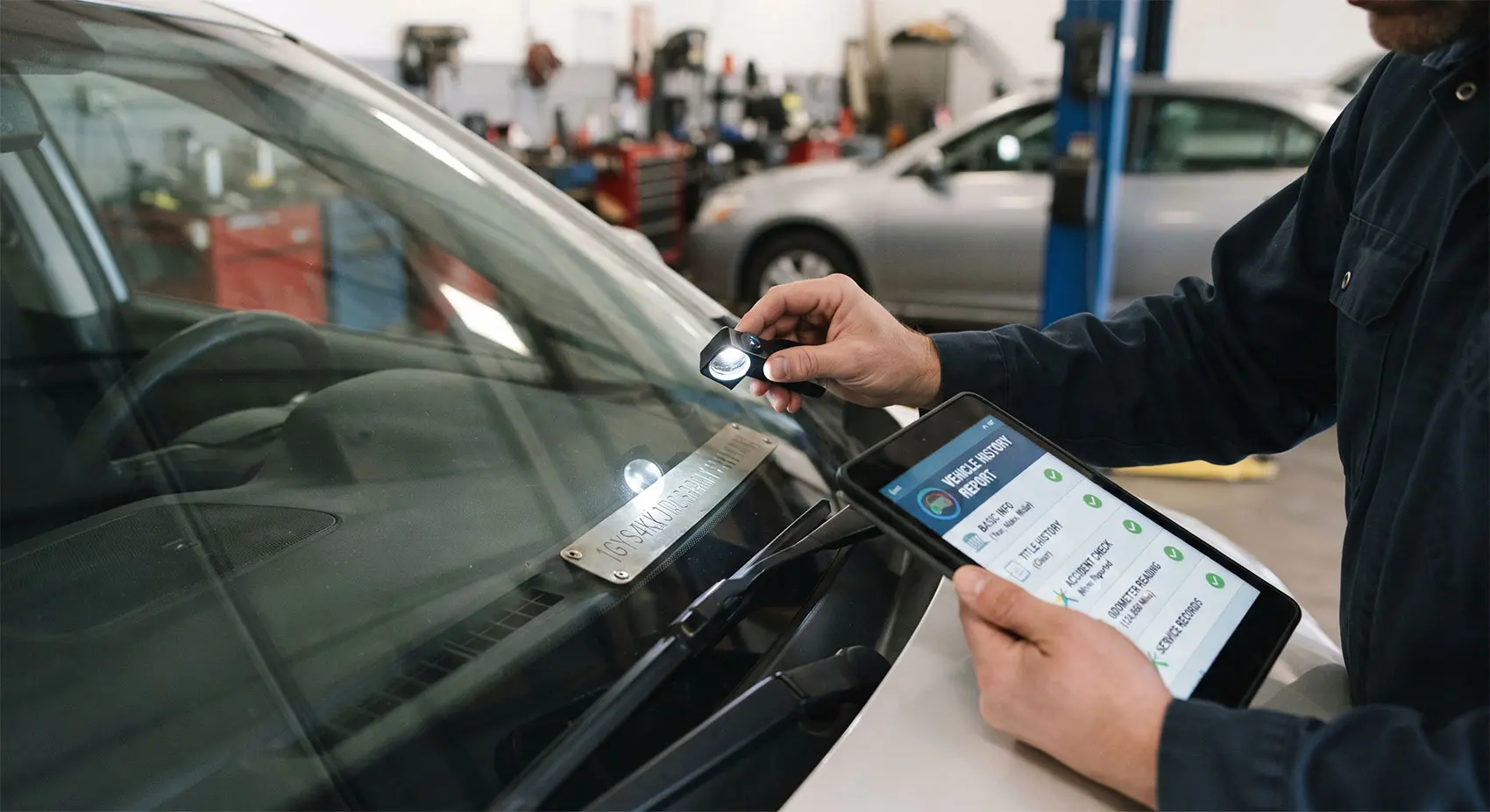
One of the most potent selling tools in 2026 is the transferable ceramic warranty. Leading brands like System X and Gtechniq have modernized their warranty structures to be fully digital and linked to the vehicle's VIN, often appearing directly on Carfax reports. When you list your car for sale, being able to prove that it has a certified 10-year shield—with five years of coverage still remaining for the next owner—removes a massive layer of risk for the buyer. It transforms the purchase from a "used car gamble" into a "guaranteed asset."
Avoiding the "Paint Correction" Deduction
For those looking to trade their vehicle in at a dealership, the financial benefits are even more immediate. Dealers in 2026 are highly sensitive to "reconditioning costs." A vehicle with swirl marks, light oxidation, or water spot etching requires a multi-stage paint correction, which currently bills out at $500 to $2,500 depending on the severity and vehicle size. A ceramic-coated car bypasses this entire deduction. Because the coating acts as a sacrificial barrier, the factory clear coat remains untouched, allowing the dealer to move the car to the front of the lot with nothing more than a quick wash.
The Psychological "First Impression" Premium
We often underestimate the power of the "curb appeal" effect. In 2026, with most car shopping starting on high-resolution mobile screens, a car that retains its deep, liquid-like luster stands out instantly against the dull, "flat" finish of untreated cars. Professional photographers and private sellers alike note that ceramic-coated cars require zero filtering to look "showroom ready." This leads to faster sales and fewer "low-ball" offers, as the pristine condition of the exterior suggests that the mechanical components have been treated with equal care.
Environmental Defense in a Changing Climate
As we navigate 2026, the environmental factors impacting vehicle longevity have become more aggressive. Average global UV indexes have reached new highs, and industrial pollutants in our rainwater have become more corrosive. For car owners, this isn't just an environmental concern—it’s a direct threat to their vehicle’s equity. Ceramic coating has moved from being a luxury to a necessary "environmental armor" that preserves the chemical integrity of the paint.
Battling 2026’s UV Intensity
The primary enemy of resale value is paint oxidation. When UV rays penetrate the clear coat, they break down the chemical bonds of the paint, leading to that "chalky" or faded look common in older vehicles. 2026 ceramic formulas are engineered with advanced UV-blocking particles that reflect solar radiation rather than absorbing it. This means a car parked outside in a sunny climate like California or Australia will maintain its factory-spec color depth for a decade, whereas an untreated car would start showing signs of "sunburn" within three years.
The "Self-Cleaning" Revolution
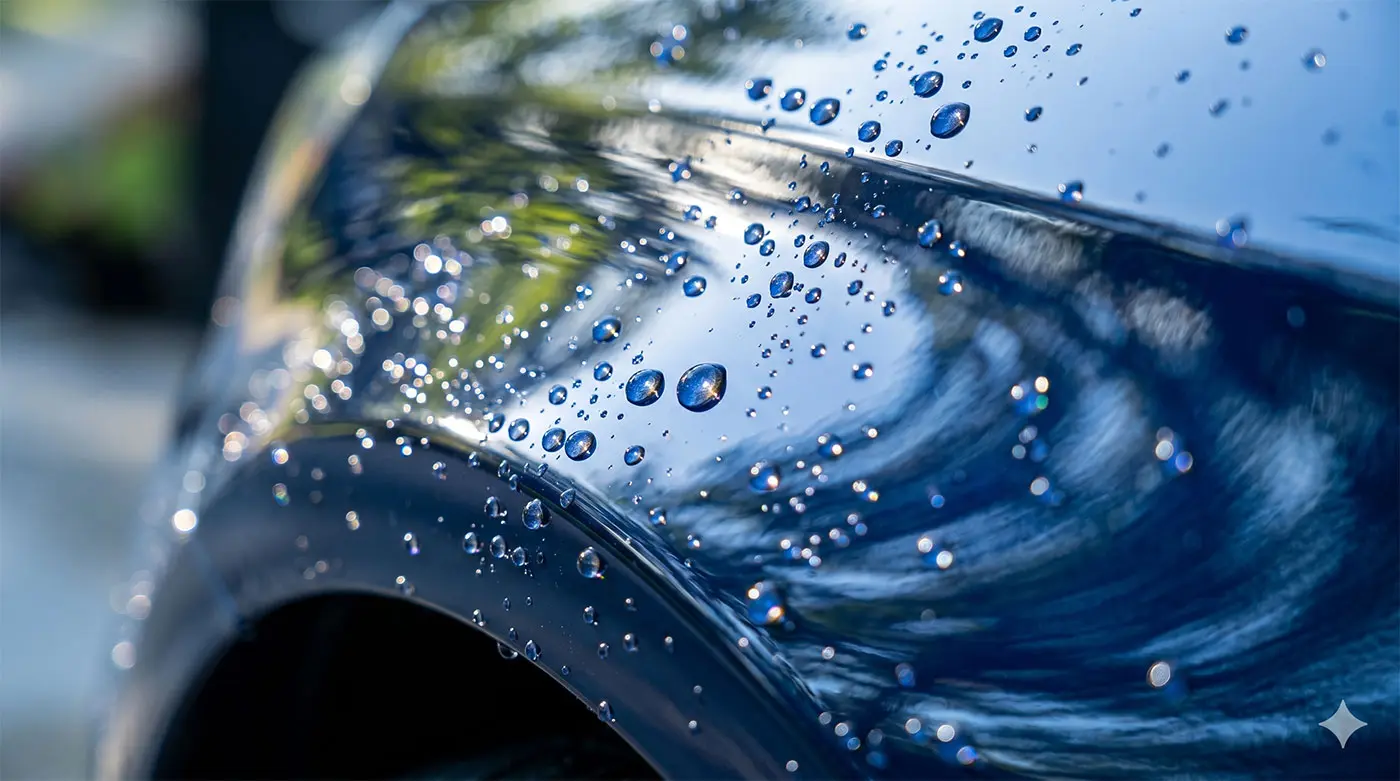
One of the most praised features of the 2026 coating generation is the Extreme Hydrophobic Effect. The surface tension created by these nano-coatings is so high that water cannot flatten out; instead, it beads into perfect spheres and rolls off, taking dirt, bird droppings, and tree sap with it. This "self-cleaning" property is a major selling point. In a world where time is our most valuable commodity, telling a prospective buyer that the car only needs a 15-minute rinse once every two weeks to stay pristine is a massive closer.
Sustainable Detailing and Eco-Ethics
The 2026 consumer is more eco-conscious than ever. Traditional car care involves heavy degreasers, harsh soaps, and thousands of gallons of water over the life of a vehicle. Because ceramic coatings prevent dirt from bonding, owners find they can use pH-neutral, biodegradable soaps and significantly less water. Furthermore, many modern coatings are now formulated without harmful VOCs (Volatile Organic Compounds), making "Green Ceramic" a trending keyword in the automotive space. This alignment with eco-friendly values adds an extra layer of appeal to the modern, socially-conscious buyer.
Professional vs. DIY in 2026
The 2026 landscape has seen a massive shift in how ceramic coatings are applied. While "professional-only" was the mantra five years ago, the democratization of nano-technology has created a two-tiered market where both DIY enthusiasts and professional detailers have access to incredible tools. Understanding which path to take is crucial for maximizing your car’s resale protection.
The Rise of "Pro-Consumer" DIY Kits
In 2026, the gap between a $2,000 professional job and a $100 home kit has narrowed significantly. Modern DIY kits now utilize flash-dry technology, which makes the application much more forgiving. In the past, "high spots" (streaks left behind by improper leveling) were a permanent nightmare for amateurs. Today’s formulations feature longer "dwell times" and visual indicators that tell the user exactly when to wipe. With 51% of the market now opting for home application, a well-executed DIY ceramic job is respected by buyers, provided you keep the receipts and documentation of the process.
When the Professional Touch is Non-Negotiable
Despite the rise of DIY, professional detailing shops in 2026 are busier than ever. Why? Because the preparation phase is still the most critical part of the process. A professional detailer doesn't just "apply" a coating; they perform a surgical decontamination and a multi-stage paint correction. If you apply a 10-year coating over a scratch, you are effectively "locking in" that scratch for a decade. For high-end luxury vehicles, electric supercars, or rare classics, a professional application comes with a certified digital certificate. This certificate is the "Gold Standard" in 2026 for justifying a higher asking price.
The Hybrid Strategy: PPF and Ceramic
A major trend in 2026 for high-value assets is the "Combo Protection." This involves applying Paint Protection Film (PPF) to high-impact areas like the hood and bumper to prevent rock chips, and then layering a Ceramic Coating over the entire vehicle (including the film). This hybrid approach provides the physical impact resistance of plastic with the chemical and hydrophobic brilliance of ceramic. When a buyer sees this level of protection, they know the car is virtually "bulletproof" against the environment, making it the easiest sale on the market.
Conclusion: Future-Proofing Your Investment
As we look toward the remainder of 2026 and beyond, it is clear that ceramic coating is no longer an optional luxury—it is a fundamental component of responsible vehicle ownership. In an era where automotive prices remain high and buyers are more discerning than ever, the "invisible shield" of nano-technology provides the ultimate peace of mind. It bridges the gap between a car that is merely "used" and a car that is "preserved."
We have seen how the evolution of graphene and self-healing molecules has turned the average clear coat into an active defense system. We have analyzed the hard data showing that a well-maintained, coated vehicle can return thousands of dollars in extra value at the time of trade-in or private sale. Most importantly, we’ve explored how this technology simplifies our lives, reducing the grueling hours spent scrubbing and polishing into a simple, high-tech maintenance routine.
Whether you choose the meticulous route of a professional installation or the rewarding path of a modern pro-consumer DIY kit, the conclusion remains the same: protecting your paint today is the most effective way to protect your bank account tomorrow. In the competitive market of 2026, don't let your vehicle's value fade under the sun or wash away in the rain. Seal in the perfection, secure your ROI, and drive with the confidence that your asset is future-proofed.

Written by Kousar Shabbir
Published Apr 29, 2026 in Maintenance & Tips.