
Every driver dreads the moment they press the gas pedal, only to feel the engine roar loudly while the vehicle barely picks up speed. This unnerving disconnect is one of the classic, unmistakable warning signs of a transmission that is starting to slip. Because your vehicle's transmission is responsible for effectively channeling power from the engine to the drive wheels, any internal hiccup can quickly jeopardize your safety, stranded on a busy highway or facing a staggering repair bill.
Modern automatic and manual gearboxes are marvels of complex engineering, operating under intense heat and continuous hydraulic pressure. However, like any mechanical system, they degrade over time due to friction, fluid breakdown, and component wear. Ignoring the early signs of transmission trouble is a gamble that rarely pays off. What starts as a minor delay in engagement or a faint, unusual whine can rapidly spiral into a catastrophic mechanical failure, locking up your drivetrain and leaving you with a bill that rivals the value of an older car.
Understanding how your vehicle communicates distress is the first line of defense. By learning to recognize the subtle symptoms of a slipping transmission before total failure strikes, you can catch problems while they are still manageable and relatively inexpensive to fix. In this comprehensive guide, we will break down the top warning signs of transmission slip, explore the root causes behind these failures, weigh the cost of repairs versus full replacements, and share expert preventative maintenance tips to keep your gearbox running smoothly for years to come.
Top Signs Your Transmission Is Slipping
Recognizing a transmission slip early can save you from a catastrophic highway breakdown and a four-figure repair bill. Because your automatic or manual transmission relies on a delicate balance of fluid pressure, friction plates, and precise electronic controls, any degradation manifests through distinct, noticeable symptoms while you drive.
Here are the primary warning signs that indicate your car’s transmission is slipping:
-
RPM Surging Without Acceleration: One of the most glaring indicators occurs when you step on the gas pedal to pass a vehicle or climb a hill. The engine revs high, sometimes jumping significantly on your tachometer, yet the car struggles to pick up speed or feels like it is caught in neutral. This disconnect happens when the clutch packs or bands fail to hold the gear under load, causing internal slippage.
-
Delayed or Hesitant Gear Engagement: When you shift your gear selector from Park to Drive (D) or Reverse (R), the vehicle should respond almost instantly. If you experience an agonizing pause of two to three seconds accompanied by a sudden, jarring thud or lurch once the gear finally engages, your transmission fluid pressure is likely dropping, or the hydraulic solenoids are failing to actuate properly.
-
Unusual Undercarriage Noises: A healthy gearbox operates relatively quietly. If you begin to hear a persistent high-pitched whining, buzzing, or humming noise, especially one that changes pitch depending on vehicle speed or gear selection it often points to worn planetary gears, low fluid levels, or failing oil pump bearings. Clunking or grinding sounds during gear changes indicate severe mechanical wear.
-
Burning Smell: If you pull over and notice a sharp, acrid odor reminiscent of burnt toast or scorched oil wafting from your engine bay, your transmission fluid is burning up. Extreme friction caused by slipping clutch packs rapidly overheats the fluid, destroying its lubricating properties and signaling that internal components are actively grinding against each other.
-
Check Engine Light and Transmission Diagnostic Trouble Codes: Modern vehicles are packed with sensors that monitor gear ratios in real-time. If the input shaft and output shaft speeds do not match expected computer parameters due to slip, the computer will illuminate the check engine light and store diagnostic trouble codes such as P0700, P0730, or gear-specific ratio faults.
Why Transmissions Slip: Root Causes and Diagnostics
Understanding the symptoms of a slipping transmission is only half the battle; identifying the root mechanical or hydraulic cause determines whether you are looking at a minor fluid service or a complete mechanical overhaul. Transmissions are marvels of closed-loop hydraulic and electronic engineering, meaning a failure in one small subsystem can quickly trigger widespread slippage.
-
Low or Degraded Transmission Fluid Levels: Transmission fluid serves a dual purpose: it acts as a hydraulic blood supply that actuates gear changes and functions as a coolant to absorb extreme friction heat. Over time, fluid breaks down, loses its viscosity, and accumulates microscopic metal debris. If your fluid level drops due to a slow gasket leak or front pump seal failure, hydraulic pressure plummets. Without sufficient pressure, the clutch packs cannot clamp tightly enough, causing them to slip uncontrollably under load.
-
Worn Clutch Packs and Internal Bands: Inside an automatic transmission, multiple sets of friction discs (clutch packs) and steel plates engage to lock specific planetary gears. As vehicles age, especially those subjected to heavy towing, aggressive driving, or neglected maintenance, the friction material on these clutch discs wears away completely. Once the material is gone, metal-on-metal contact occurs, rendering the clutch incapable of transferring torque effectively.
-
Faulty Solenoids and Failing Valve Bodies: Modern transmissions rely on electronic shifting solenoids controlled by the Powertrain Control Module (PCM). These tiny electromechanical valves regulate the flow of fluid through complex mazes within the valve body. If a solenoid clogs with varnish or suffers an electrical failure, it will misdirect fluid pressure, resulting in delayed engagement, harsh shifting, or chronic gear slip.
-
Torque Converter Malfunction: The torque converter connects your engine to the transmission using fluid dynamics. Inside, a lock-up clutch engages at cruising speeds to maximize fuel efficiency. If this internal lock-up clutch fails or the stator bearings wear out, the vehicle will experience severe power losses, RPM surging, and persistent transmission slip even if the mechanical gears themselves are intact.
Transmission Slipping vs. Total Failure: The Cost Breakdown
When a car starts showing signs of a slipping transmission, many drivers fall into the trap of procrastination, hoping the issue will magically resolve itself or simply stay minor. Unfortunately, mechanical degradation never reverses on its own. Understanding the stark financial contrast between addressing a slipping transmission early versus waiting until a catastrophic breakdown occurs can save you from a massive, unexpected financial blow.
-
Fluid Flushes and Minor Component Repair Costs: If you catch a transmission slip in its infancy often triggered merely by low fluid levels, degraded viscosity, or a minor leak in a pan gasket the fix can be relatively inexpensive. A complete transmission fluid flush, filter replacement, or swapping out an external shifting solenoid typically ranges from $150 to $500. Even replacing a failing external valve body or repairing a leaking cooler line, while more labor-intensive, usually lands well under $1,500. Catching the issue here preserves the internal clutch packs and prevents permanent damage.
-
Rebuild vs. Full Transmission Replacement Price Tags: Once a transmission continues to slip unchecked, the friction material on the internal clutch bands completely burns away. At this stage, minor fluid services are useless. You are faced with either a transmission rebuild where a technician disassembles the unit, replaces worn seals, clutches, and bearings, or purchasing a completely remanufactured unit. Depending on whether your vehicle is front-wheel drive, all-wheel drive, or a heavy-duty truck, a rebuild or replacement generally ranges from $3,500 to over $6,500 including labor.
-
When It Is Too Late to Save the Unit: Ignoring persistent RPM surging, burning odors, or grinding metallic sounds eventually leads to total catastrophic failure. When metal shavings contaminate the entire hydraulic system and the planetary gears weld themselves together, the transmission casing itself can be compromised. At this tipping point, driving becomes impossible, and your vehicle must be towed directly to a shop. Delaying action transforms what could have been a routine maintenance repair into a bill that can easily exceed the resale value of an older automobile.
Preventative Maintenance Tips to Protect Your Transmission
While modern automatic and manual gearboxes are built to endure tens of thousands of miles of heavy use, they are ultimately mechanical systems that rely heavily on proactive care. Waiting until your vehicle exhibits blatant signs of transmission slippage or total failure is a recipe for an expensive repair bill. Implementing a consistent preventative maintenance routine can dramatically extend the lifespan of your transmission, improve fuel efficiency, and ensure you never find yourself stranded on the side of the road.
-
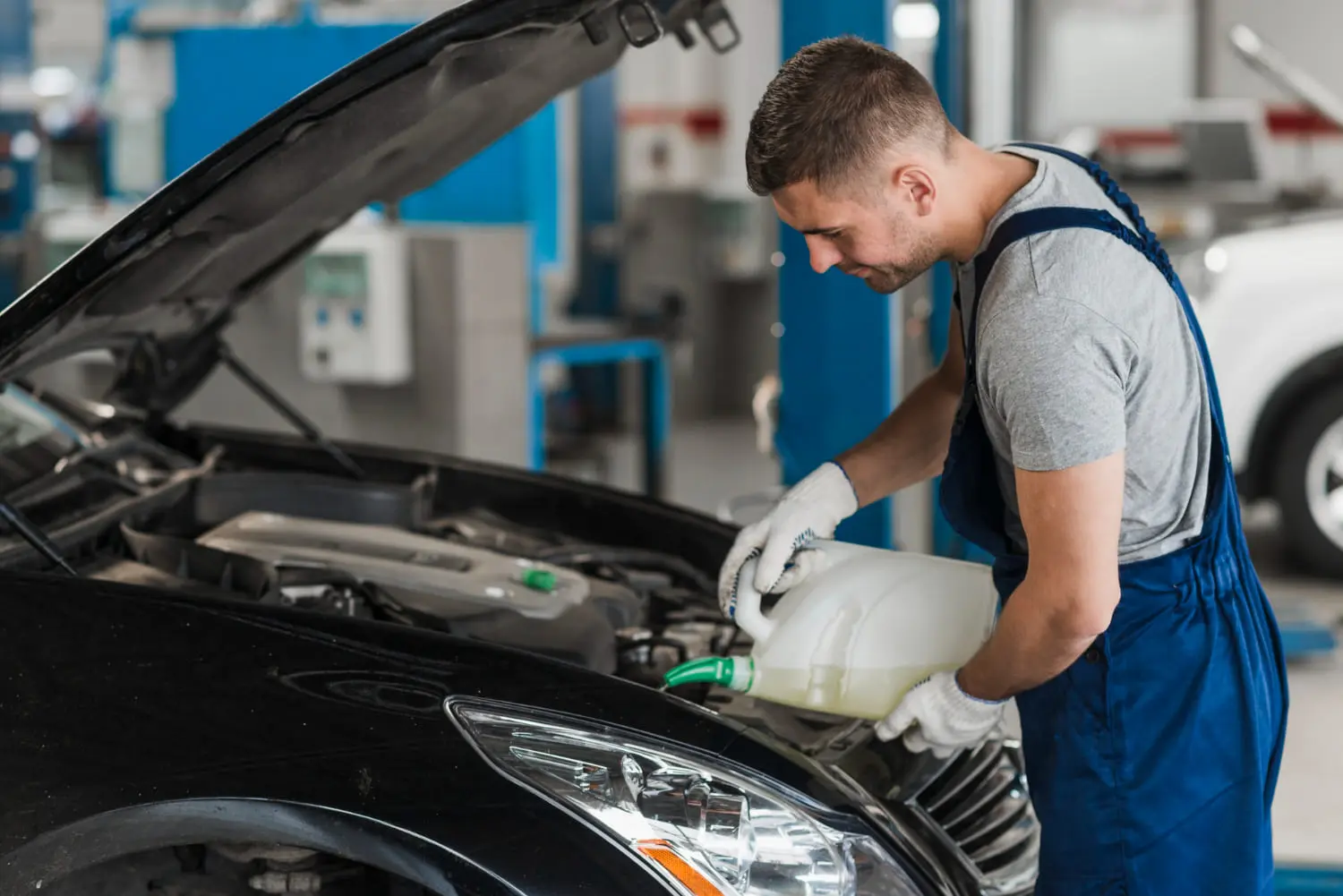
Regular Fluid Checks and Scheduled Flushes: Transmission fluid is the lifeblood of your gearbox, responsible for both hydraulic actuation and thermal regulation. Make it a habit to check your transmission fluid level and condition using the dipstick (if your vehicle is equipped with one) every few months. Look for a bright red or pink hue and a clean smell; if the fluid is dark brown, black, or smells scorched, it is time for an immediate replacement. Follow your manufacturer’s recommended service intervals, typically every 30,000 to 60,000 miles, to flush out accumulated metallic debris and refresh the fluid's protective additives.
-
Smart Driving Habits to Reduce Stress: How you drive plays a massive role in internal component wear. Avoid shifting your car into Drive or Reverse while the vehicle is still rolling backward or forward, as this sudden kinetic shock places extreme stress on the gear teeth and clutch packs. If you frequently tow trailers, haul heavy loads, or navigate steep mountain inclines, consider installing an auxiliary transmission oil cooler to keep operating temperatures well within safe thresholds and prevent fluid breakdown.
-
Prompt Attention to Minor Leaks and Warning Signs: A tiny puddle of red fluid under your car might seem harmless, but it is often the precursor to catastrophic low-fluid slippage. Address gasket leaks, cooler line cracks, or failing output shaft seals immediately before they rob your transmission of essential pressure. By combining proactive fluid maintenance with mindful driving habits, you protect your investment and keep your vehicle shifting smoothly for years to come.
Conclusion
Your car’s transmission is a complex, high-precision engineering marvel that quietly handles immense physical stress every single time you hit the road. From routing engine torque to selecting the optimal gear for highway cruising, its health is vital to your vehicle’s performance, safety, and fuel economy. As we have explored throughout this guide, ignoring early warning indicators such as sudden RPM surging, delayed gear engagement, acrid burning odors, or persistent diagnostic trouble codes is a costly gamble. What starts as a minor drop in fluid pressure or a slightly worn friction clutch can rapidly evolve into a complete mechanical meltdown, locking up your drivetrain and resulting in a repair bill that rivals the overall value of your automobile.
By familiarizing yourself with the subtle symptoms of transmission slip and understanding the root causes behind them, you empower yourself to act before minor wear turns into total failure. Whether it is scheduling a routine fluid flush, replacing a faulty shifting solenoid, or adjusting your driving habits during heavy towing, proactive maintenance is always significantly cheaper than a full transmission rebuild or replacement. Do not wait for a catastrophic breakdown on a busy highway to take your vehicle's health seriously.


Written by Kousar Shabbir
Published Aug 27, 2026 in Maintenance & Tips.