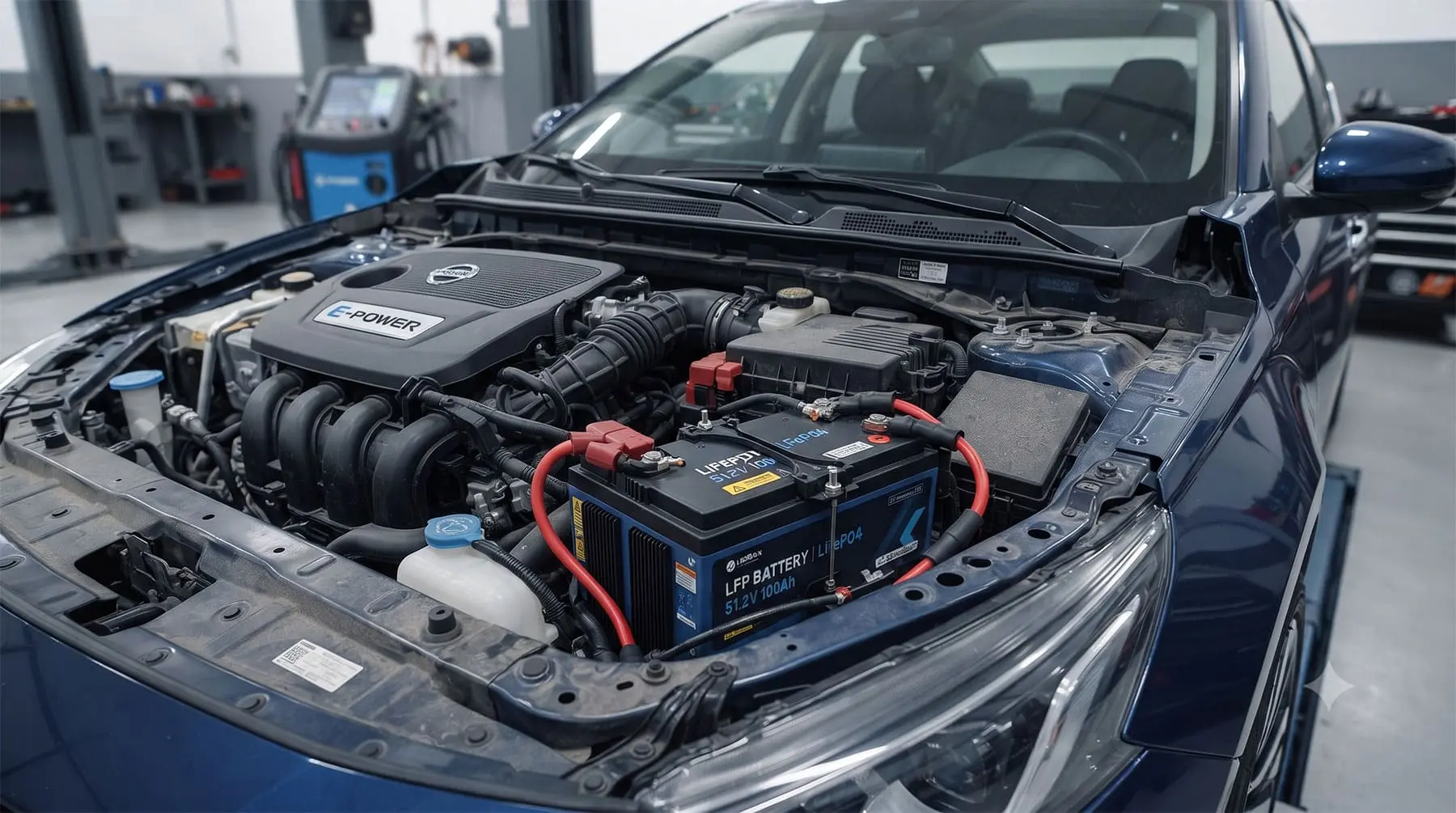
The automotive world is currently undergoing its most significant transformation since the assembly line. As we navigate through 2026, the conversation around electric vehicles (EVs) has shifted from "can we make them?" to "how do we make them accessible to everyone?" At the heart of this revolution is a humble, yet incredibly powerful component: the Lithium Iron Phosphate (LFP) battery. For years, the industry was dominated by high-nickel chemistries, which offered impressive range but came with hefty price tags and complex supply chain hurdles. Today, LFP is shedding its reputation as the "budget" option and emerging as the backbone of the sustainable transport era.
But what exactly is the truth about LFP batteries, and why are they suddenly the secret weapon for both legacy automakers and EV startups? Many consumers are still operating under outdated information, believing that "cheaper" must mean "worse." The reality is far more nuanced and, quite frankly, exciting for the average driver. LFP technology has matured to a point where it balances the critical needs of the modern world: affordability, extreme durability, and enhanced safety. As we see more entry-level and mid-range electric vehicles hitting the roads in 2026, it is clear that these batteries are not just a stop-gap—they are the key to bringing the benefits of electrification to the mass market. In this article, we will peel back the technical layers to explore why LFP batteries are fundamentally changing the economics of owning an EV and why, for most drivers, they represent the smarter, more durable choice for the years ahead.
The Chemistry of Change – Why LFP is Different
To understand why the automotive industry is pivoting toward Lithium Iron Phosphate (LFP) batteries, we first have to look at what they replace. For over a decade, the gold standard for long-range electric vehicles was Nickel Manganese Cobalt (NMC). While NMC batteries offer high energy density—meaning they can pack more range into a smaller space—they come with significant trade-offs. The reliance on cobalt, in particular, has been a major point of contention due to its high cost and the ethical, human rights-related challenges surrounding its mining in regions like the Democratic Republic of Congo.
LFP chemistry fundamentally changes this narrative. By replacing nickel and cobalt with iron and phosphate, manufacturers are using materials that are abundant, cheap, and far easier to source ethically. But the benefits extend well beyond the supply chain. One of the most critical advantages of LFP batteries is their exceptional thermal stability. In an NMC battery, the chemical composition can become unstable at high temperatures, leading to a "thermal runaway" scenario if the battery is damaged or short-circuited. LFP batteries, conversely, are inherently more robust. Their chemical structure is much more resistant to heat, significantly reducing the risk of fire.
Furthermore, this stability allows for a more forgiving charging profile. While engineers typically advise owners of NMC-powered EVs to keep their charge between 20% and 80% to preserve the battery's health, LFP batteries don't mind being charged to 100% regularly. In fact, doing so is often recommended by manufacturers because it allows the Battery Management System (BMS) to better calibrate and balance the cells. For the average driver who wants a car that they can plug in every night without worrying about complex "battery hygiene," this is a massive quality-of-life improvement. In 2026, as we look for EVs that fit seamlessly into our daily routines, this "charge-to-full" capability is proving to be a defining factor in consumer preference.
The Wallet Factor – LFP and the Quest for Affordable EVs
For the last several years, the "EV price gap"—the difference in cost between a standard internal combustion engine (ICE) vehicle and its electric counterpart—has been the single biggest hurdle to mass-market adoption. While early adopters were willing to pay a premium for cutting-edge technology, the average household budget simply couldn't justify the extra thousands, often leading to a "wait and see" approach. Lithium Iron Phosphate (LFP) batteries are effectively closing this gap in 2026, acting as the primary catalyst for making EVs affordable for everyone.
The economics are straightforward: iron and phosphate are among the most abundant materials on Earth. When you strip away the dependence on expensive, volatile-priced commodities like cobalt and nickel, the bill of materials for an EV battery pack drops significantly—often by as much as 20% to 30%. This isn't just a minor fluctuation; it is a fundamental shift in the cost structure of vehicle manufacturing. By passing these savings on to consumers, automakers are finally able to produce reliable, high-quality EVs at price points comfortably below the $30,000 mark.
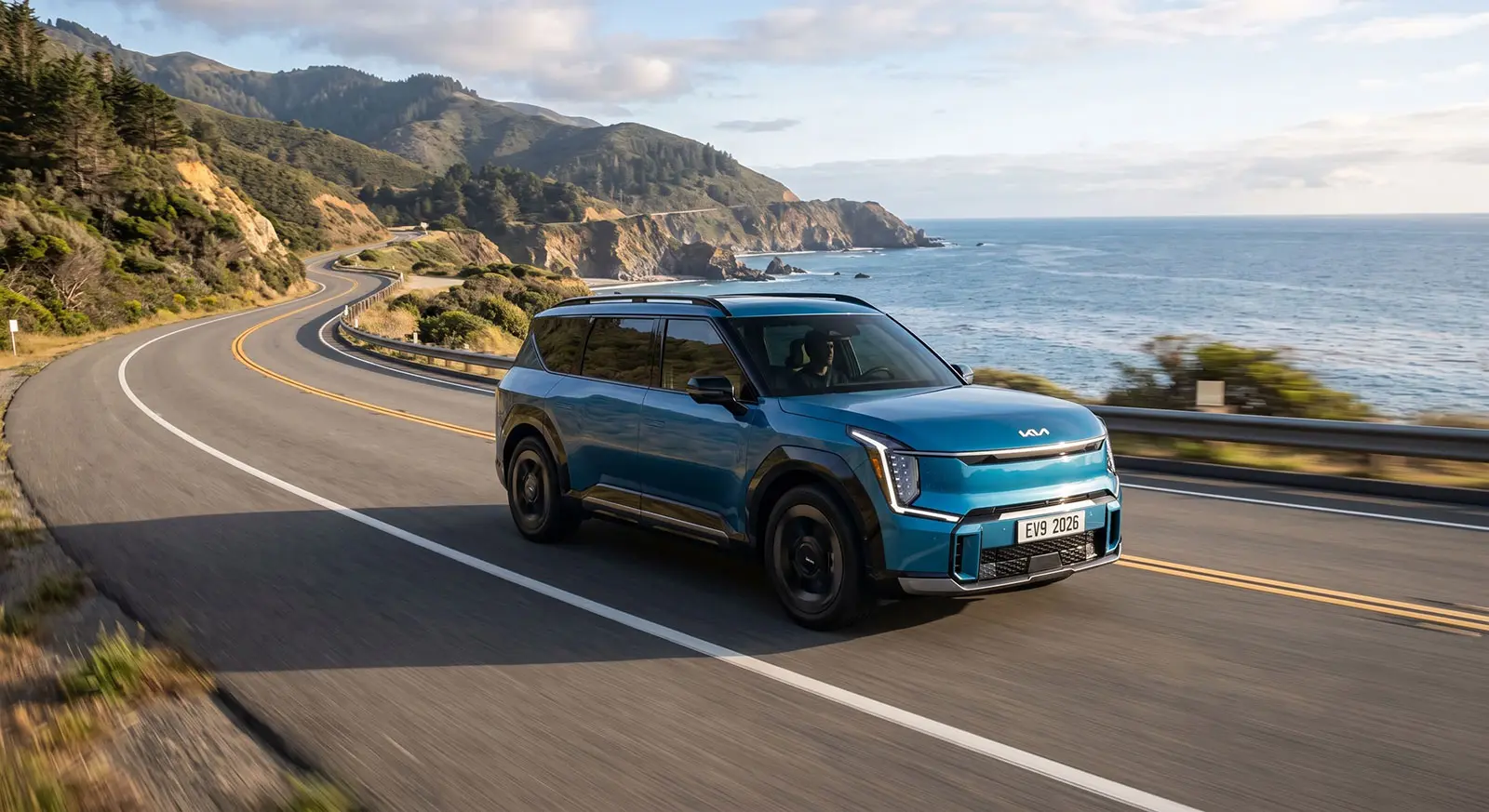
Beyond the raw material costs, the manufacturing process for LFP cells is less complex. Because the chemistry is inherently stable, the cooling systems and safety mechanisms required for the battery pack can be streamlined without sacrificing vehicle safety. In 2026, we are seeing the results of this efficiency in the form of a diverse "entry-level" segment. Compact SUVs, hatchbacks, and city cars—the vehicles that make up the bulk of global car sales—are now seeing an influx of LFP options. This accessibility is crucial because it democratizes the EV experience. It means that high-performance, long-lasting electric mobility is no longer the exclusive domain of luxury sedan buyers, but a viable, budget-conscious choice for the average commuter, family, and student. As global supply chains continue to scale, the downward pressure on LFP battery prices will only continue, further solidifying the position of affordable EVs in the mainstream market.
Beyond the Initial Price – The "Hidden" Durability Advantage
The conversation around electric vehicle longevity has historically been dominated by anxiety. Drivers have long feared the "ticking clock" of battery degradation—the idea that after a few years, the car’s range would shrink to the point of uselessness, necessitating a prohibitively expensive battery replacement. However, in 2026, the rise of LFP chemistry is effectively putting those fears to rest. While many associate "durability" in the context of an EV solely with the battery’s ability to hold a charge, LFP brings a structural and chemical permanence that is fundamentally superior to traditional NMC chemistries.
The science behind this durability lies in the chemical stability of the iron-phosphate bond. When you charge and discharge a battery, the ions moving back and forth between the electrodes cause mechanical stress on the materials. In NMC batteries, this stress can eventually lead to cracking and capacity loss. LFP, however, is much more rigid and chemically stable under these conditions. The result is a cycle life that often doubles, or in some cases triples, that of nickel-based alternatives. Where an average NMC battery might be expected to maintain its performance for 1,000 to 1,500 full charge cycles, many modern LFP packs are rated for 3,000 to 5,000 cycles or more. For the average owner, this means that the battery is likely to outlive the rest of the vehicle itself.
This durability has profound implications for the secondary market. One of the biggest inhibitors to used EV adoption has been uncertainty regarding the state of health of a pre-owned pack. With LFP, we are looking at a future where used EVs are seen as much safer investments. A vehicle that has seen 100,000 miles of driving will likely have a battery that retains a higher percentage of its original range than an NMC-powered car with similar mileage. This long-term retention of value is the "hidden" secret of LFP—it turns an EV from a depreciating piece of tech into a durable asset. By removing the fear of premature battery failure, LFP is not just making EVs cheaper to buy; it is making them cheaper to own over a 10-year horizon, fundamentally altering the total cost of ownership (TCO) equation that every consumer calculates before signing a purchase agreement.
The 2026 Reality – Where LFP is Winning
As we move through 2026, the adoption of LFP batteries is no longer just a trend—it is the standard for the mass-market electric vehicle segment. A key driver behind this rapid acceleration is the evolution of physical battery architecture, specifically the emergence of Cell-to-Pack (CTP) technology. In older battery designs, cells were grouped into modules, which were then placed into a pack. This design required heavy cabling, redundant cooling components, and protective housing for each individual module. CTP technology effectively eliminates the "middleman," allowing manufacturers to integrate cells directly into the battery pack structure.
This structural efficiency is a perfect match for LFP chemistry. Because LFP cells are inherently safer and more stable, they can be packed more tightly without the complex, space-consuming cooling systems needed for high-nickel batteries. This increases the volumetric efficiency—meaning you get more energy capacity in the same physical footprint. In 2026, we are seeing automakers utilize this to overcome the traditional limitation of LFP: energy density. While LFP cannot quite match the "range-at-all-costs" capabilities of the most advanced high-nickel chemistries, the gains in CTP design mean that mid-range EVs can now easily hit the 300-mile real-world range mark, which satisfies 99% of daily driving needs.
We are also seeing a bifurcation in the market. LFP is becoming the go-to choice for entry-level models, city cars, and standard-range versions of popular SUVs. This is where the price advantage is most felt. Meanwhile, some premium, long-range performance vehicles may continue to use nickel-based chemistries for their sheer energy density. However, the gap is closing rapidly. As manufacturers refine the materials science of LFP—using proprietary additives to boost energy density even further—we are seeing LFP models enter segments previously thought to be impossible for this chemistry. For the consumer, this is a win-win: the cost of entry is lower, the safety profile is better, and the real-world range is more than sufficient for the vast majority of our lives.
Conclusion
The transition to Lithium Iron Phosphate batteries in 2026 marks a decisive turning point in the electric vehicle narrative. For years, the industry was tethered to the belief that the "best" EV required the most expensive, energy-dense materials, regardless of the cost or supply chain implications. Today, LFP has effectively dismantled that assumption. By prioritizing thermal stability, longevity, and affordability, LFP technology is successfully lowering the barrier to entry, allowing a broader segment of the population to participate in the electric mobility revolution.
For the prospective EV owner, the "truth" about LFP is that it represents a practical, long-term solution. You are no longer choosing between an affordable car and a durable one; with LFP, you get both. The ability to charge to 100% without significant degradation, coupled with a safer, more stable chemistry, makes these vehicles remarkably easy to live with on a day-to-day basis. Furthermore, as we look at the second-hand market, these batteries promise to hold their value and operational capability far longer than their predecessors, providing peace of mind for the secondary buyer.
As we move toward a future of sustainable transport, the role of LFP is only going to grow. While research continues into solid-state and other high-density chemistries, LFP remains the champion of the "here and now." It is the technology that is putting EVs into driveways, fleets, and city streets across the globe today. Whether you are a first-time EV buyer looking for your initial entry into the world of electric driving, or a seasoned driver seeking a reliable, low-maintenance daily commuter, an LFP-powered vehicle is increasingly the smartest bet for your wallet and your peace of mind. The future of the EV market isn't just about longer ranges or faster speeds; it's about accessibility and reliability—and that is exactly what LFP delivers.



Written by Kousar Shabbir
Published Jul 11, 2026 in Maintenance & Tips.