
The death of the American muscle car has been greatly exaggerated. Just a couple of years ago, automotive headlines read like a series of obituaries for the internal combustion engine (ICE). Enthusiasts watched in despair as legendary nameplates were retired, multi-million dollar EV production lines were rapidly constructed, and manufacturers promised an entirely silent, high-voltage performance landscape. We were told that the visceral roar of a combustion engine under a heavy hood was an relic of the past, completely incompatible with a tightening web of global emissions standards. But something fascinating happened on the way to the electric graveyard. This year, the script flipped entirely, and we are witnessing an unexpected, high-octane gas engine comeback.
This dramatic turnaround isn't just a random act of corporate rebellion by Detroit's legacy automakers. It is a direct reaction to a massive structural shift in automotive regulations, paired with shifting market realities. Recent regulatory adjustments from Washington effectively rolled back aggressive EV mandates, replacing rigid, near-impossible targets with a framework that rewards high-tech combustion engineering and advanced, alternative-fuel compatibility. Suddenly, the legal path forward for internal combustion isn't just open—it's thriving.
Automakers have seized this regulatory lifeline to blend classic American swagger with cutting-edge forced induction and precision engineering. This isn't your grandfather’s V8 era; it’s a highly optimized renaissance where high-efficiency powertrains meet aggressive body lines. For the blogging platform looking to capture high-intent organic search volume, understanding this intersection of policy and raw horsepower is key. The muscle car isn't dying—it has simply changed its strategy to survive and dominate dealership floors once again.
The Regulatory Pivot That Saved the V8 and Forced Induction
The survival of high-performance internal combustion engines this year boils down to a profound shift in regulatory mechanics. For years, automakers operated under the assumption that federal corporate average fuel economy (CAFE) standards and tightening EPA footprint regulations would effectively outlaw multi-cylinder, high-displacement gas engines by the late 2020s. The math simply didn’t work; building heavy, front-engine, rear-wheel-drive platforms with large displacement V8s penalized an automaker's fleet-wide average emissions calculations to a catastrophic degree. However, a series of structural policy realignments completely changed the landscape.
The primary catalyst for this shift was a fundamental revaluation of how vehicle footprints and weight classes are assessed under new federal frameworks. Rather than enforcing an uncompromising, single-track mandate that forced a top-down conversion to pure battery electric vehicles (BEVs), updated regulatory structures introduced a more flexible, technology-neutral compliance curve. This adjustment acknowledged consumer resistance to electric infrastructure and adjusted the steepness of the emissions reduction curve for passenger cars and light trucks. More importantly, it established clear pathways for high-efficiency internal combustion engines that utilize advanced thermal management, high-pressure direct fuel injection, and alternative fuel profiles to meet strict greenhouse gas limits.
By easing the immediate threat of billions of dollars in fleet-wide compliance penalties, these policy rollbacks handed the keys back to performance engineering teams. To maintain compliance without sacrificing raw power, engineers targeted maximum thermal efficiency—the percentage of energy an engine extracts from fuel combustion rather than losing to heat. By implementing ultra-high compression ratios paired with precision multi-point fuel injection systems, manufacturers discovered they could drastically cut cold-start emissions (the phase where most pollutants are generated) while simultaneously pushing horsepower numbers higher than ever before.
For instance, advanced active catalyst heating systems use small electric heating elements to bring a vehicle's exhaust treatment system up to its optimal operating temperature within seconds of turning the key. This single mechanical advancement solves the traditional emissions penalty of a high-displacement cold start, allowing large, powerful gas-powered blocks to comfortably glide under the legal limits of modern environmental frameworks. The legal path didn't just stay open; it became an engineering playground.
Re-engineering Muscle — The Twin-Turbo and Hybrid Revolution
The modern muscle car revival isn't built on legacy engineering; it's a complete mechanical reinvention. To survive the modern landscape, manufacturers have abandoned traditional high-displacement, naturally aspirated layouts in favor of advanced forced induction and high-performance hybrid setups. This transition preserves the aggressive acceleration and tire-smoking torque that defines a classic muscle car while radically lowering carbon output during standard driving cycles.
A prime example of this engineering evolution is the 2026 Dodge Charger Sixpack. By replacing the iconic but thirsty Hemi V8 with the 3.0-liter Hurricane Twin-Turbo Inline-6, Dodge has managed to increase output significantly. The High-Output configuration of this straight-six engine pumps out a massive 550 horsepower and 531 lb-ft of torque by shoving up to 30 psi of boost into the chambers via dual Garrett turbochargers. This setup delivers 90% of its peak torque between 3,000 and 6,000 rpm, outperforming the old 5.7-liter V8 while cutting emissions floor penalties drastically.
Simultaneously, the industry is embracing the "performance hybrid" formula to rewrite speed records. Rather than using electrification purely for fuel economy, elite performance brands are pairing small, high-revving internal combustion engines with lightweight axial-flux electric motors. This combination solves turbo lag entirely. The electric motor delivers instant torque from a dead stop, while the turbochargers spool up to take over at higher RPM bands. We see this philosophy scaling up to hypercar levels in setups like the 2026 McLaren W1, which matches a twin-turbo V8 with an F1-derived electric module to produce an astounding 1,258 horsepower.
Finally, the ultimate safety net for internal combustion is the development of synthetic e-fuels. By capturing carbon directly from the atmosphere during manufacturing, these fuels ensure that when the gas engine burns them, it releases zero net carbon into the ecosystem. This technological breakthrough provides a long-term, legally compliant path for high-performance combustion engines to run globally without a battery pack.
Marketplace Realities — What This Means for Buyers and Dealerships
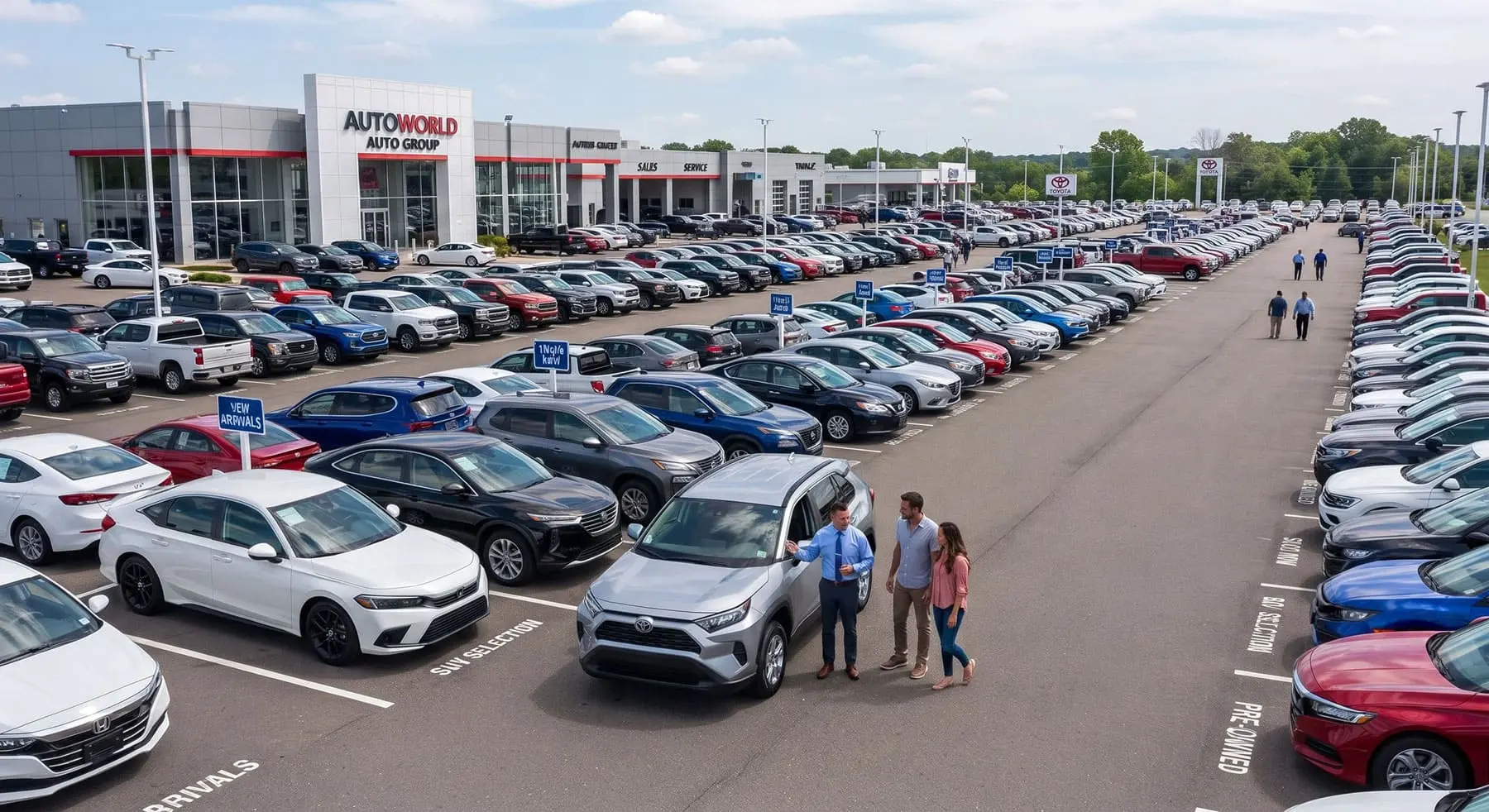
The high-octane regulatory and mechanical shift has triggered an immediate, powerful reaction across the commercial automotive landscape. For the past several years, automotive dealerships were structural battlegrounds under heavy corporate pressure to transition their physical inventory toward pure battery-electric vehicle lines. Dealership lots were rapidly populated with high-voltage inventory that faced immense consumer friction due to macroeconomic realities, charging infrastructure deficits, and high insurance premiums. This year, the sudden legal lifelines handed back to internal combustion engines have completely re-engineered consumer buying behaviors and flipped the supply-and-demand metrics on their heads.
For automotive blogging networks seeking high-intent transactional search volume, tracking this inventory migration is critical. Consumer demand for combustion-powered performance cars has skyrocketed, resulting in highly competitive dealer allocation battles and surging secondary market valuations for clean, gas-powered performance blocks. Dealership networks that once braced for a silent showroom floor are actively adjusting floorplan financing structures to heavily favor multi-cylinder setups, high-output forced induction options, and performance-tuned hybrid layouts. This demand is not merely traditional nostalgia; it is a clear marketplace statement from consumers prioritizing mechanical feedback, exhaust notes, and long-range convenience over pure battery architectures.
However, keeping high-performance internal combustion engines on the right side of modern federal compliance requires complex, high-tier component engineering—and that complexity alters the entry price point. To meet emission target boundaries during cold-start sequences and aggressive throttle mapping, modern muscle cars require high-cost exhaust treatment components, secondary air-injection networks, and advanced electronic control unit (ECU) management. Consequently, the baseline cost of entering the modern muscle landscape has shifted significantly, pushing average base models into a premium price tier of $56,000 to $70,000.
This pricing architecture transforms modern muscle cars from affordable blue-collar speed machines into highly precise, premium performance options. Yet, despite higher barriers to entry, consumer waitlists continue to stretch out for months, fueling strong rumors across the automotive grapevine that legacy nameplates—such as multi-platform, multi-powertrain internal combustion iterations of the Chevrolet Camaro—are being actively fast-tracked for localized market revivals.
Conclusion
The gas engine comeback of this year is a powerful masterclass in adaptive engineering and regulatory navigation. It proves that the automotive industry’s transition away from fossil fuels was never going to be a simple, single-track shift toward pure battery architectures. By using the flexible legal lifelines hidden within updated federal footprints, technology-neutral standards, and localized rollbacks, legacy automakers have successfully preserved the soul of the American muscle car. They did not achieve this by ignoring the environmental landscape, but by completely out-engineering it.
The roar of the modern muscle car may sound different today—whether it's the high-frequency whistle of a twin-turbocharged straight-six or the synchronized whine of an electric motor assisting a high-compression combustion engine—but the visceral experience remains intact. For digital publishers and blogging platforms, this structural pivot represents a massive goldrush of search traffic driven by passionate enthusiasts tracking real-time dealer inventory, performance modifications, and market arrivals. The internal combustion engine is not a relic of the past; it is a highly optimized, high-tech powerhouse built to rule the streets for generations to come.


Written by Habiba Shahbaz
Published Jun 19, 2026 in Auto News.