As we cruise into the summer of 2026, the patterns of heatwaves have shifted, becoming more prolonged and intense than ever before. For the modern road-tripper, the dream of an open-road adventure now comes with a new set of logistical realities. It is no longer just about ensuring you have a playlist and a full tank of gas; it is about recognizing that your vehicle is a complex machine operating in an increasingly hostile thermal environment. When asphalt temperatures soar and the air is thick with humidity, your car’s engine, tires, and cooling systems are pushed to their absolute mechanical limits.
Ignoring the warning signs of a straining vehicle is a gamble you cannot afford to take when miles away from home. Proactive maintenance is not merely a suggestion it is your primary safety net. By adopting a "pre-flight" mindset similar to aviation, you can mitigate the risks of catastrophic breakdowns, costly emergency repairs, and the dangerous prospect of being stranded in triple-digit heat. In this guide, we will move beyond basic maintenance to explore the specific technical demands your car will face during the 2026 travel season. We will look at how to fortify your cooling systems, optimize tire pressure for extreme surfaces, and ensure that your vehicle remains a reliable sanctuary rather than a roadside liability. Whether you are navigating long stretches of desert highways or urban traffic in record-breaking temperatures, the following checklist is designed to transform your vehicle into a heat-resistant machine, ensuring your only concern is the next destination on your itinerary.
The Engine & Cooling System – Staying Cool Under Pressure
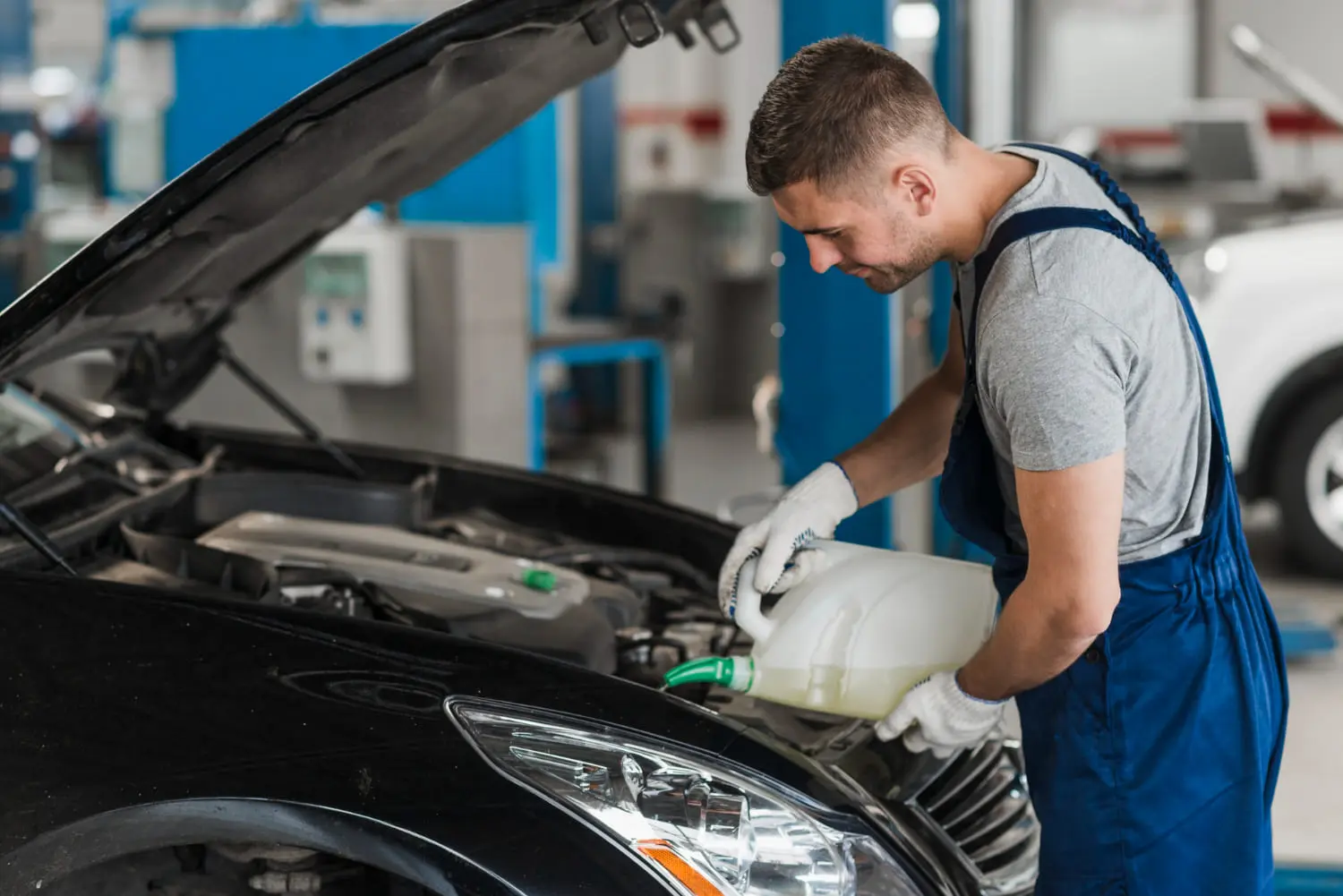
When the thermometer pushes past 100°F (38°C), your vehicle’s engine isn’t just working; it is fighting a thermal war. Under normal conditions, your cooling system manages heat effectively, but in the extreme, prolonged heatwaves of 2026, the margin for error is razor-thin. The first line of defense is your coolant—often overlooked until a "Check Engine" light illuminates on a desolate highway. You must ensure your coolant (antifreeze) is not only at the correct level but also at the proper concentration. A 50/50 mix is standard, but in extreme heat, an aging coolant can lose its ability to prevent localized boiling within the engine block. If your coolant hasn't been flushed in the last two years, consider it a priority service before your trip.
Beyond the liquid, consider the role of modern synthetic oils. In 2026, high-performance synthetic blends are designed for superior thermal stability, maintaining their viscosity even when the engine block is radiating intense heat. Unlike conventional oils, which can break down and lose lubricating properties under extreme thermal stress, high-quality synthetics provide a protective film that prevents metal-on-metal friction during those long, grueling climbs or bumper-to-bumper traffic jams.
Finally, become attuned to your vehicle’s "heat language." Modern cars are equipped with sophisticated sensor arrays that provide much more data than the old-fashioned "Hot/Cold" needle. Keep a constant eye on your oil temperature and coolant temperature gauges. If you notice the needle climbing higher than its usual mid-range position during steady driving, or if you hear the radiator cooling fans running at high speed long after you’ve parked, take it as a serious warning. These are early indicators of cooling system strain. By addressing small irregularities in how your engine manages heat now, you prevent the nightmare of a complete thermal shutdown in a remote location where help is hours away. Always remember: in extreme heat, the best time to service your engine is a week before you leave, not a mile after the trouble starts
A frequently overlooked component of the cooling system is the thermostat. This small, spring-loaded valve regulates the flow of coolant between the engine and the radiator. In extreme 2026 heat, a sticking thermostat can be the difference between a smooth drive and a roadside breakdown. If your vehicle has over 80,000 miles, replacing the thermostat as a preventative measure is highly recommended. Furthermore, check your radiator for external obstructions. Debris like dried leaves, plastic bags, or heavy insect buildup can significantly impede airflow to the radiator fins, causing the engine temperature to spike even if your coolant levels are perfect. If you notice a "sludgy" appearance in your coolant reservoir, it indicates old coolant or potential internal corrosion a professional system flush is necessary to prevent this debris from circulating and causing pump failure.
Tire Health in Extreme Temperatures
Your tires are the only point of contact between your vehicle and the blistering asphalt, and they bear the brunt of extreme summer heat. When ambient temperatures reach record highs, the surface temperature of the road can often be 20 to 30 degrees higher, creating a volatile environment for your rubber. The most common mistake drivers make is ignoring tire pressure. In extreme heat, the air inside your tires expands significantly. While many believe this means they should lower their pressure to compensate, this is a dangerous misconception. Under-inflated tires have more surface contact with the hot pavement, which leads to excessive internal friction and heat buildup, vastly increasing the risk of a blowout. Always check your tire pressure when the tires are "cold" meaning the vehicle has been parked for at least three hours. Use the PSI specifications found in your driver-side door jamb, not the maximum pressure listed on the tire sidewall.
Furthermore, inspect your tires for signs of age and fatigue before hitting the road. Look for dry rot, sidewall cracking, or uneven tread wear. Rubber compounds naturally degrade over time, and high heat accelerates this process, turning once-flexible rubber into a brittle material prone to failure. For the 2026 summer season, if your tires have more than 30,000 miles or are over five years old, you should seriously consider replacing them with high-temperature rated tires designed specifically for high-load, extreme-heat conditions. These modern tires feature advanced silica-infused compounds that maintain structural integrity and grip even under intense thermal stress.
Lastly, don't forget the spare. Many road-trippers maintain their main tires but leave the spare in the trunk, ignored and under-inflated. A spare tire that hasn't been checked in months may not hold air when you need it most, and in 2026, finding a compatible tire size in a remote area during a heatwave can turn a simple flat into a multi-day ordeal. Carry a high-quality, portable digital tire inflator. Modern, compact inflators can provide accurate readings and power through the heat to ensure your tires remain at the optimal pressure regardless of how much the outside temperature fluctuates throughout the day. By treating your tire maintenance as a critical safety task, you significantly reduce the risk of the most common and dangerous summer road-trip failure.
Essential Summer Road Trip Gear (2026 Edition)
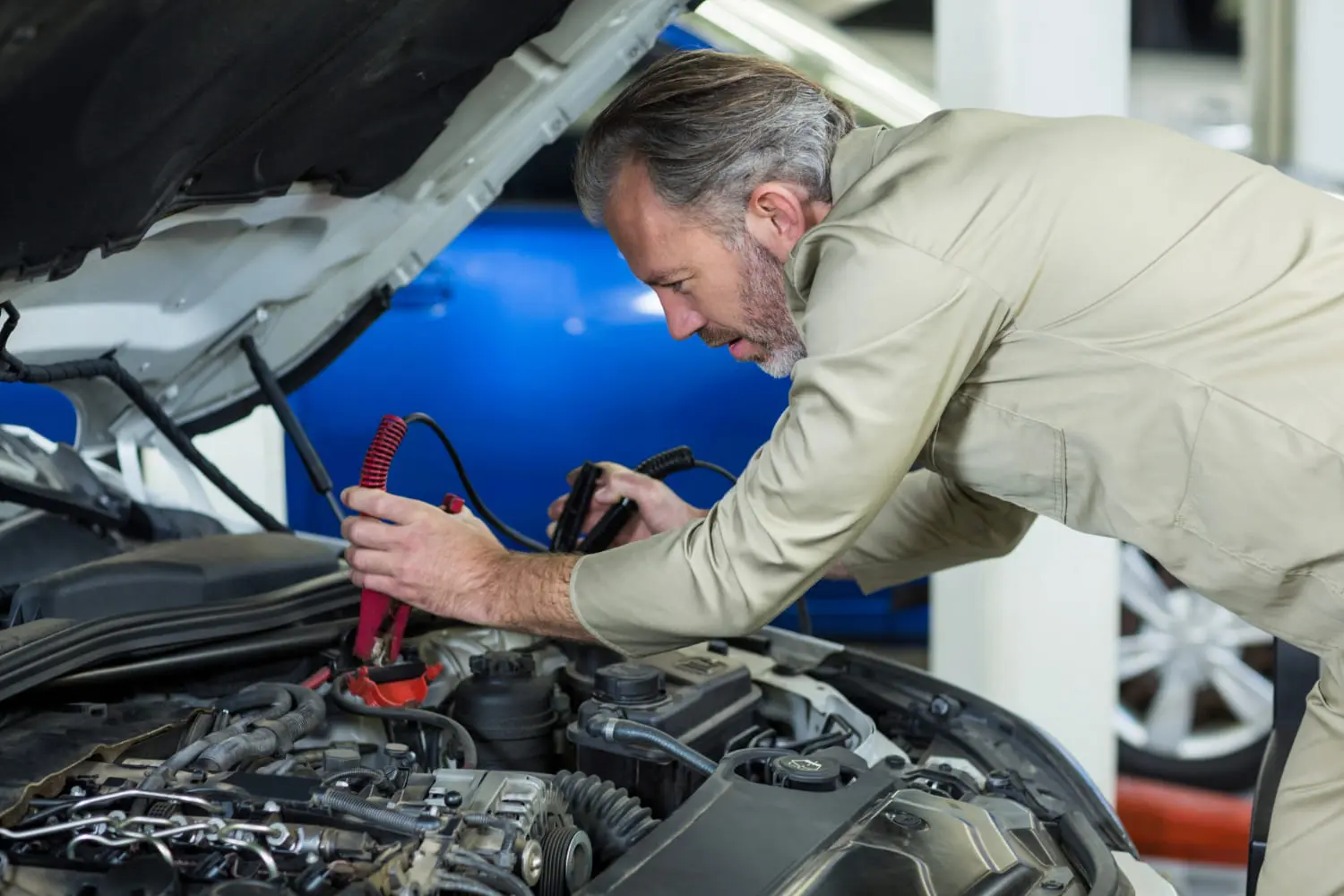
In the summer of 2026, the definition of a "road trip emergency kit" has evolved significantly. While you still need the classics jumper cables, a flashlight, and a basic first-aid kit the extreme heat we are experiencing demands a more sophisticated approach to vehicle safety and personal comfort. Think of your gear not just as a set of tools, but as an integrated survival system for your vehicle and passengers.
First, prioritize cooling and hydration. Carry an insulated, high-capacity cooler with a dedicated supply of potable water that exceeds your expected needs by at least 50%. Dehydration is a silent, rapid-onset danger in a vehicle with a failing AC system. Complement this with personal heat-management items like cooling towels and portable, battery-operated fans.
Second, embrace the 2026 tech-forward approach. A must-have for any modern road trip is a real-time, wireless tire pressure monitoring system (TPMS) that displays data on your smartphone or a dedicated dash display. Unlike older systems that only alert you after a problem occurs, these tools allow you to track real-time fluctuations caused by rising asphalt temperatures. Pair this with a high-accuracy, portable OBD-II diagnostic scanner. Being able to pull a fault code in the middle of a remote stretch allows you to distinguish between a minor sensor glitch and a critical engine component failure, potentially saving you from an expensive and unnecessary tow.
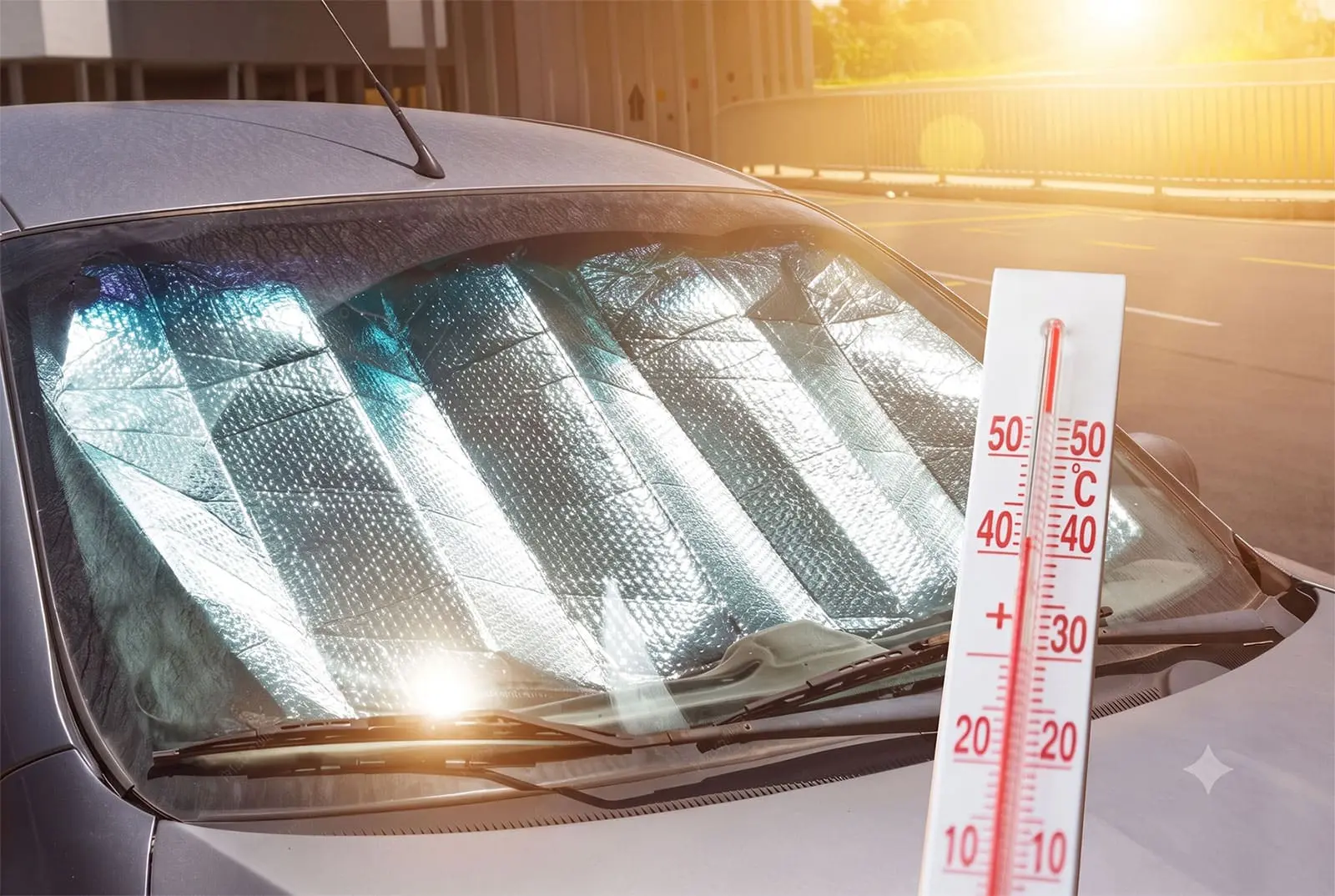
Third, consider the interior. In 2026, we have access to advanced, eco-friendly sun protection films and heat-reflective window shades that significantly reduce the "greenhouse effect" inside a parked vehicle. Applying a high-quality, ceramic-based window tint not only makes the cabin more comfortable for your passengers but also reduces the continuous load on your car’s air conditioning system, helping to preserve the compressor for the duration of your trip. Additionally, keep a dedicated "emergency heat kit" in a cool, accessible area containing reflective blankets, electrolyte powder, and a high-lumen LED lantern. By preparing for the worst with these modern essentials, you turn your vehicle into a resilient base camp, ensuring that even if you face an unexpected delay, you have the tools to handle the heat safely and effectively.
Strategic Driving Habits for High-Heat Zones
The most advanced vehicle in the world is only as good as the person behind the wheel. In the summer of 2026, when temperatures hit extreme peaks, your driving habits become the final safeguard against mechanical failure. The first rule is timing: if you are traveling through high-heat zones, plan your driving around the sun. Whenever possible, schedule your longest stretches for the early morning or late evening. Mid-day thermal radiation doesn't just impact your car; it compromises your visibility and increases road surface temperatures to levels that make tire failure more likely. By driving during the cooler hours, you give your engine a better chance to dissipate heat efficiently, significantly reducing the stress on your cooling system.
Fuel efficiency is another major concern during intense heatwaves. Running your air conditioning at maximum output puts a significant load on your engine. While you should never compromise your personal safety for fuel economy, you can optimize your cabin cooling by using recirculated air mode effectively once the car has cooled down. Additionally, avoid aggressive acceleration and hard braking. Every surge of engine power generates internal heat, and sustained, smooth driving allows the vehicle to maintain a consistent operating temperature.
Should you encounter the dreaded "Engine Overheating" light, your reaction must be immediate and disciplined. Do not panic and do not stop in a place that restricts airflow. Pull over safely, turn off the engine, and open the hood to help heat dissipate but never attempt to open the radiator cap while the engine is hot, as pressurized steam can cause severe burns. If the temperature gauge spikes while you are in heavy traffic, turning on your vehicle's heater at full blast even if it is uncomfortable can actually act as an auxiliary cooling system by drawing heat away from the engine block. This is a temporary, last-resort measure to help you reach a safe location to pull over. By adopting these strategic driving habits, you transform from a passive operator to an active manager of your vehicle’s thermal health, ensuring that you arrive at your destination safely, no matter how extreme the outside conditions become.
Conclusion
As we look toward the remainder of the 2026 summer season, it is clear that the challenges posed by extreme heat require more than just a passing glance at your vehicle’s maintenance schedule. Preparing for the road ahead is a commitment to the safety of your passengers and the longevity of your machine. By integrating proactive cooling system care, vigilant tire monitoring, and strategic driving practices into your routine, you move from a state of reactive worry to one of empowered readiness. The heat may be relentless, but your vehicle armed with the right preparation and modern insights is fully capable of standing up to the test.
Remember, the goal of this checklist is not to create anxiety, but to foster confidence. When you have verified your coolant levels, ensured your tires are ready for the asphalt’s intensity, and packed the essential gear for any eventuality, the road opens up in a new way. You are no longer just driving from point A to point B; you are managing a sophisticated thermal environment with the precision and foresight that modern travel demands. As you embark on your 2026 adventures, carry this guide with you. Let it serve as a reminder that the best road trips are built on a foundation of reliability and smart, forward-thinking habits. Stay cool, stay prepared, and enjoy the journey through the most demanding conditions of the summer. Your vehicle is ready—now it is time to enjoy the open road with complete peace of mind.


Written by Maarukh Shahbaz
Published Jul 8, 2026 in Maintenance & Tips.