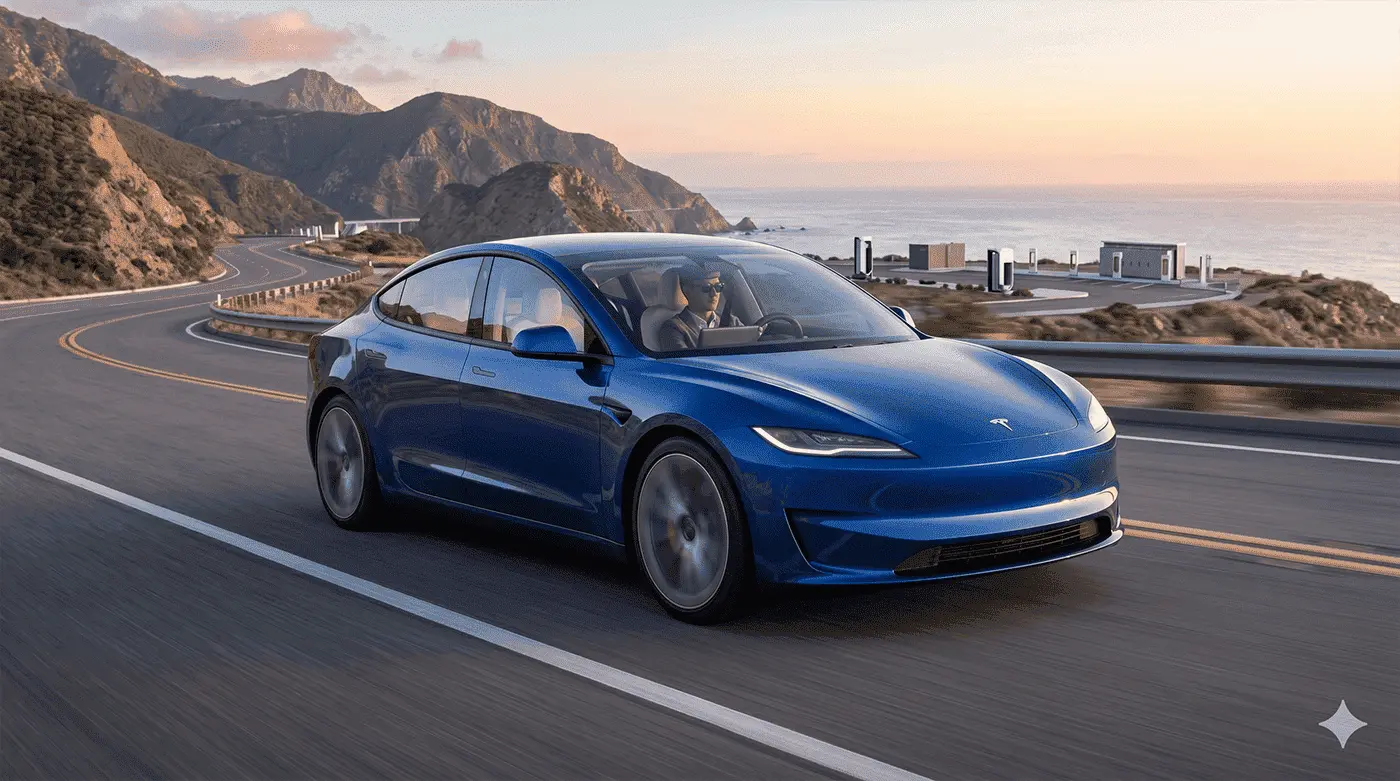
In 2026, the automotive world is at a fascinating crossroads. We are driving vehicles that are more technologically advanced than ever before—computers on wheels equipped with AI diagnostics, advanced sensors, and sustainable materials. Yet, despite these leaps in engineering, the fundamental goal for most owners remains the same: making the car last as long as possible. Whether you are driving a traditional internal combustion engine (ICE), a hybrid, or a fully electric vehicle (EV), the financial climate of 2026 has made vehicle longevity a top priority. With the average price of new cars continuing to climb, the real "luxury" feature in today’s market is a car that hits the 200,000-mile mark without breaking the bank or the spirit of its owner.
By the end of this guide, you will have a roadmap to help you navigate the complexities of modern car care. We will bridge the gap between old-school mechanical wisdom and new-age technological tools, ensuring that your vehicle remains a reliable, efficient, and valuable asset for years to come. Let’s dive into the ten habits that will redefine how you care for your car.
Habit 1: The "Fluids First" Philosophy
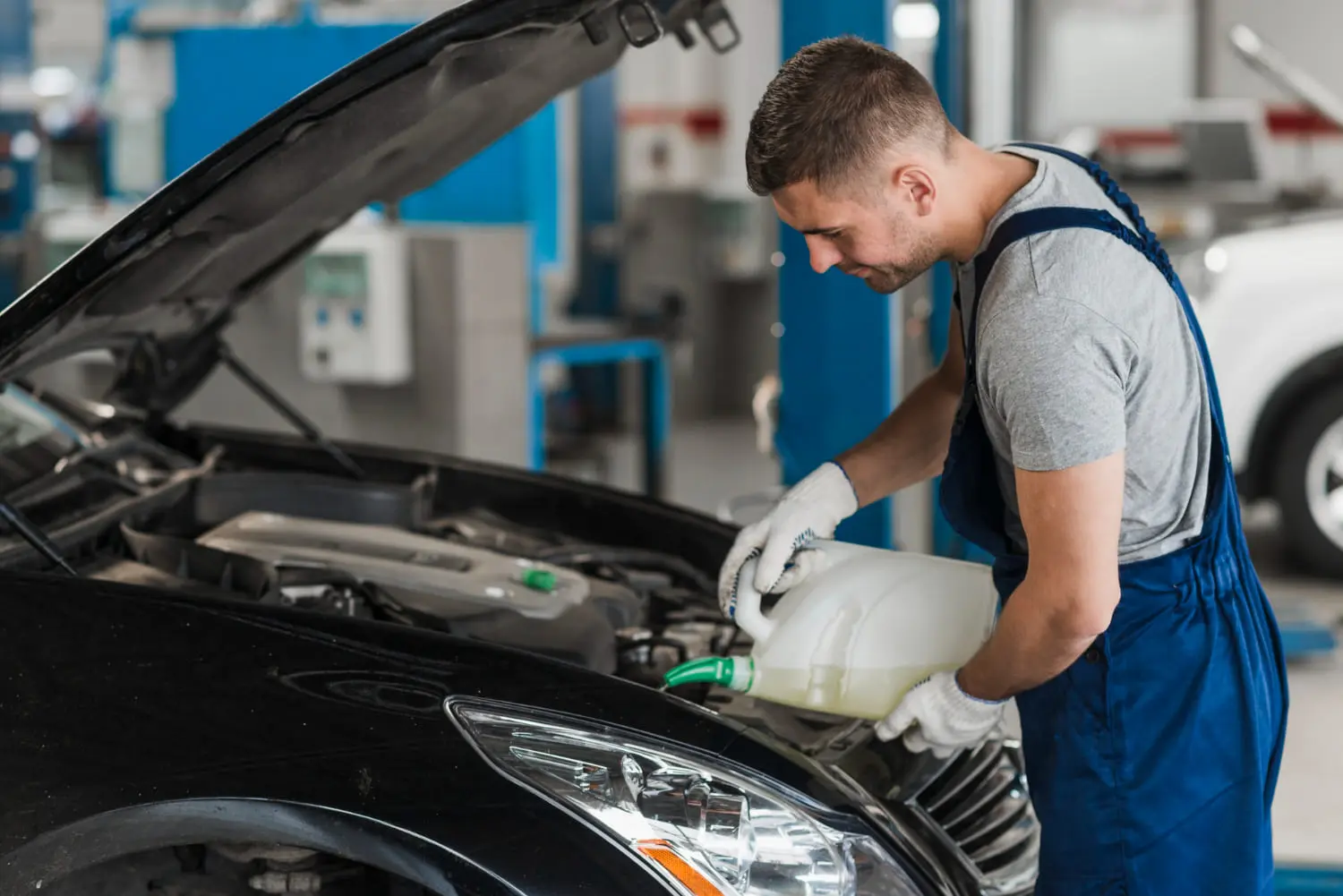
The lifeblood of your vehicle isn't just one fluid; it is a complex circulatory system of oils, coolants, and hydraulic liquids. In 2026, lubricants have evolved significantly. We are now seeing ultra-low viscosity synthetic oils designed to reduce friction to near-zero levels, which is essential for the tight tolerances of modern engines. Habit number one is simple but non-negotiable: check and change your fluids before they look like they need it.
The old "3,000-mile oil change" might be a relic of the past, but the "never check it" attitude is a death sentence. High-performance synthetic oils can last 10,000 miles or more, but they still accumulate moisture and combustion byproducts. Beyond the engine, you must pay attention to your transmission fluid and coolant. Modern engines run hotter to maximize efficiency, putting immense thermal stress on the cooling system. A habit of inspecting your coolant levels monthly can prevent a catastrophic overheat that warps engine components.
-
Go Synthetic: Always use the highest grade of full synthetic oil recommended by your manufacturer. It resists breaking down under the extreme heat of 2026's turbocharged engines.
-
The "Invisible" Fluids: Don't forget brake fluid and power steering fluid (if applicable). Brake fluid is hygroscopic, meaning it absorbs water from the air, which can lead to internal corrosion and brake failure over time.
-
Example: Imagine a driver who ignores a small coolant leak. In a 2026 hybrid, that coolant might also be responsible for keeping the battery pack at a safe temperature. A $20 bottle of coolant could save a $10,000 battery replacement.
Habit 2: Master the Art of Smooth Driving
How you treat your pedals directly dictates the lifespan of your drivetrain. In 2026, vehicles are lighter and more efficient, but their components—especially in complex hybrid transmissions—are sensitive to "shock loading." Habit number two is adopting a smooth, progressive driving style. This doesn't mean driving slowly; it means driving with "mechanical sympathy."
Sudden, aggressive acceleration forces the engine and transmission to manage massive torque spikes, which accelerates wear on gear teeth and CV joints. Conversely, "slamming" on the brakes generates intense heat, leading to warped rotors and glazed pads. By looking further down the road and anticipating traffic flow, you can ease into your stops and starts. This habit not only saves your hardware but can improve your fuel or energy efficiency by up to 15%.
-
Avoid the "Cold Start Sprints": In 2026, engines warm up quickly, but the oil still needs a minute to reach the upper valvetrain. Give your car 30 seconds of gentle driving before asking for full power.
-
The Cost of Short Trips: Frequent trips under 5 miles are "severe service." The engine never reaches its optimal operating temperature, allowing water vapor to collect in the oil. If you take a short trip, try to take the long way home once a week to let the engine "breathe."
-
Example: A driver who practices "one-pedal driving" in an EV or uses regenerative braking in a hybrid is not just saving energy; they are significantly reducing the physical wear on their mechanical brake pads, often making them last twice as long as those on a car driven aggressively.
Habit 3: Advanced Surface Protection (Graphene & PPF)
In 2026, car paint is no longer just about aesthetics; it’s a protective skin that shields the vehicle's structural integrity from increasingly volatile environmental conditions. With rising UV indexes and more acidic rainfall, a "wash and wax" every few months is no longer sufficient. Habit number three is the adoption of advanced surface protection, specifically focusing on Graphene coatings and Paint Protection Film (PPF).
Graphene coatings have largely overtaken traditional ceramic coatings in 2026 due to their superior heat reduction properties and "anti-static" nature, which repels dust more effectively. For high-impact areas like the front bumper and hood, PPF acts as a self-healing sacrificial layer against road debris. By maintaining the exterior, you aren't just looking good at red lights; you are preventing the micro-corrosion that eventually leads to structural rust, significantly boosting your car’s resale value.
-
The 24-Hour Rule: Make it a habit to remove bird droppings or tree sap within 24 hours. In the 2026 climate, these acidic substances can etch into modern clear coats in a matter of hours, causing permanent damage.
-
Touchless vs. Brushes: Avoid automated car washes with spinning brushes. These "sandpaper" your finish with the dirt from the previous fifty cars. Use touchless washes or, better yet, a two-bucket hand wash method.
-
Example: Consider two identical 2023 models being sold in 2026. One has a dull, swirled finish from neglect, while the other has been protected with Graphene. The protected car can easily command a $2,000 to $3,000 premium on the used market simply because it looks "showroom new."
Habit 4: Tire Health as a Foundation
Your tires are the only point of contact between your vehicle and the road. In 2026, as vehicles become heavier due to battery packs and reinforced safety cells, the strain on rubber has never been higher. Habit number four is the "First of the Month" tire check. This isn't just about safety; it’s about protecting your suspension and maximizing your range.
Under-inflated tires increase rolling resistance, which forces your engine or motor to work harder, burning more fuel or battery. Furthermore, uneven tire wear is often a "canary in the coal mine" for alignment issues. If your tires are wearing unevenly, your suspension components—like bushings and ball joints—are being subjected to lateral stresses they weren't designed to handle. By keeping your tires rotated and balanced, you extend the life of the entire undercarriage.
-
Pressure and Temperature: In 2026, most cars have digital TPMS (Tire Pressure Monitoring Systems). Don't ignore the "low" warning just because it’s a cold morning. Air contracts in the cold; a habit of topping off your air every season change can save you the cost of a new set of tires prematurely.
-
The Penny Test (2026 Edition): Use a tread depth gauge or a coin to check for wear. If you’re down to 2/32 of an inch, your braking distance in wet weather increases exponentially.
-
Example: A driver who neglects tire rotation every 6,000 miles might find themselves replacing a full set of tires at 25,000 miles. A proactive driver who maintains pressure and rotation can easily push that same set to 50,000 miles or more.
Habit 5: Battery Longevity (ICE & EV/Hybrid)
In 2026, every car is an "electric" car to some degree. Whether you're driving a traditional gas vehicle with a complex 12V stop-start system, a Hybrid, or a full EV, the battery is often the most expensive component to replace. Habit number five is proactive electrical management. For EV and Plug-in Hybrid (PHEV) owners, this means moving away from the "fill it to 100%" mindset that we used for gas tanks.
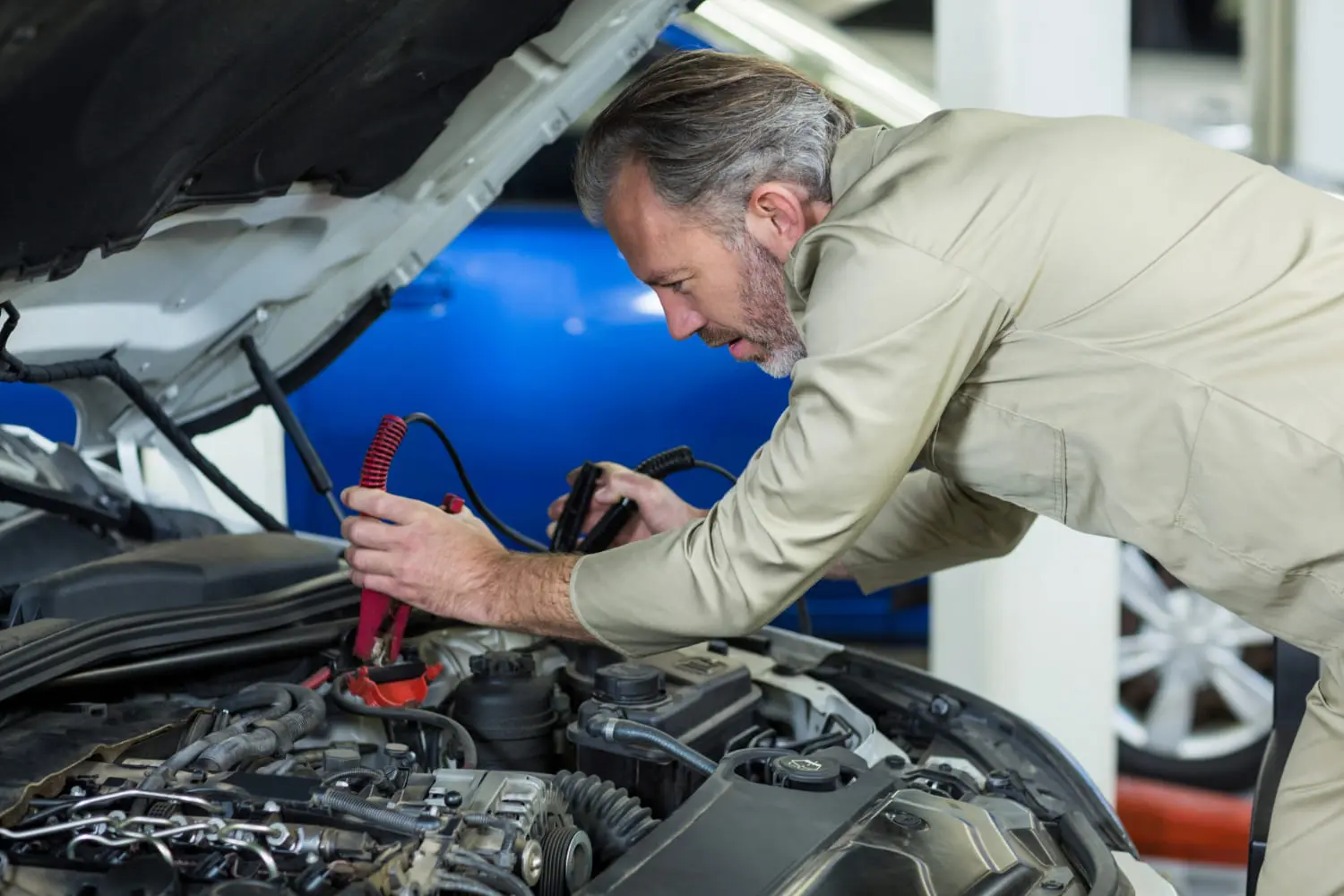
Modern lithium-ion batteries in 2026 prefer to stay in the "Goldilocks Zone"—typically between 20% and 80% state of charge (SoC). Charging to 100% every night creates chemical stress and heat that degrades the battery's capacity over time. For owners of traditional internal combustion cars, battery care involves ensuring the 12V battery stays conditioned, especially if the car sits for more than a few days, as modern security and "always-on" smart features can drain a battery faster than older models.
- The 80/20 Rule: Set your vehicle's charging limit to 80% for daily commuting. Only top up to 100% right before a long road trip. This simple habit can add years to your battery’s usable life.
- Thermal Preconditioning: In 2026, most EVs allow you to "precondition" the battery via an app. Before driving in extreme heat or cold, use the app to bring the battery to its ideal operating temperature (15-25 Celsius) while it’s still plugged in. This saves the battery from the high-stress work of heating or cooling itself using its own stored energy.
- Example: A 2026 EV owner who uses DC fast chargers daily and always charges to 100% may see 15--20% capacity loss in just five years. Meanwhile, an owner who uses Level 2 home charging and keeps the battery between 20% and 80% will likely see less than 5% degradation in that same period.
Habit 6: Preventive Interior Maintenance
In 2026, the interior of a car is dominated by high-resolution displays, sensitive touch surfaces, and sustainable synthetic fabrics. Habit number six is treating your cabin like a living space rather than a storage locker. With modern dashboards often housing massive "pillar-to-pillar" screens, UV protection is no longer just about preventing a cracked dashboard—it's about protecting the expensive electronics that control your entire vehicle.
Accumulated dust and grime can act as an abrasive on touchscreens and soft-touch materials. Furthermore, the 2026 focus on health has made cabin air quality a major priority. A neglected HVAC system doesn't just smell bad; it forces the blower motor to work harder and circulates allergens and fine particulate matter (PM2.5) throughout the cabin. By cleaning surfaces regularly and replacing filters, you ensure the interior remains a comfortable and functional environment for the long haul.
-
Shield the Tech: Use a high-quality UV-reflective sunshade whenever you park outside. The internal temperatures in a car sitting in the 2026 sun can exceed 70°C, which can degrade the adhesive layers behind digital displays.
-
The Cabin Filter Habit: Replace your cabin air filter every 12,000 miles, or more often if you live in a high-pollution or wildfire-prone area. Many 2026 models use HEPA-grade filters that require regular inspection to maintain optimal airflow.
-
Example: A driver who ignores interior cleaning may find that "oils" from their skin have permanently etched the steering wheel controls or that the infotainment screen has become unresponsive due to heat soak. A $50 investment in a sunshade and specialized cleaners can prevent a $2,500 "dead screen" repair.
Habit 7: Utilizing AI-Driven Diagnostics
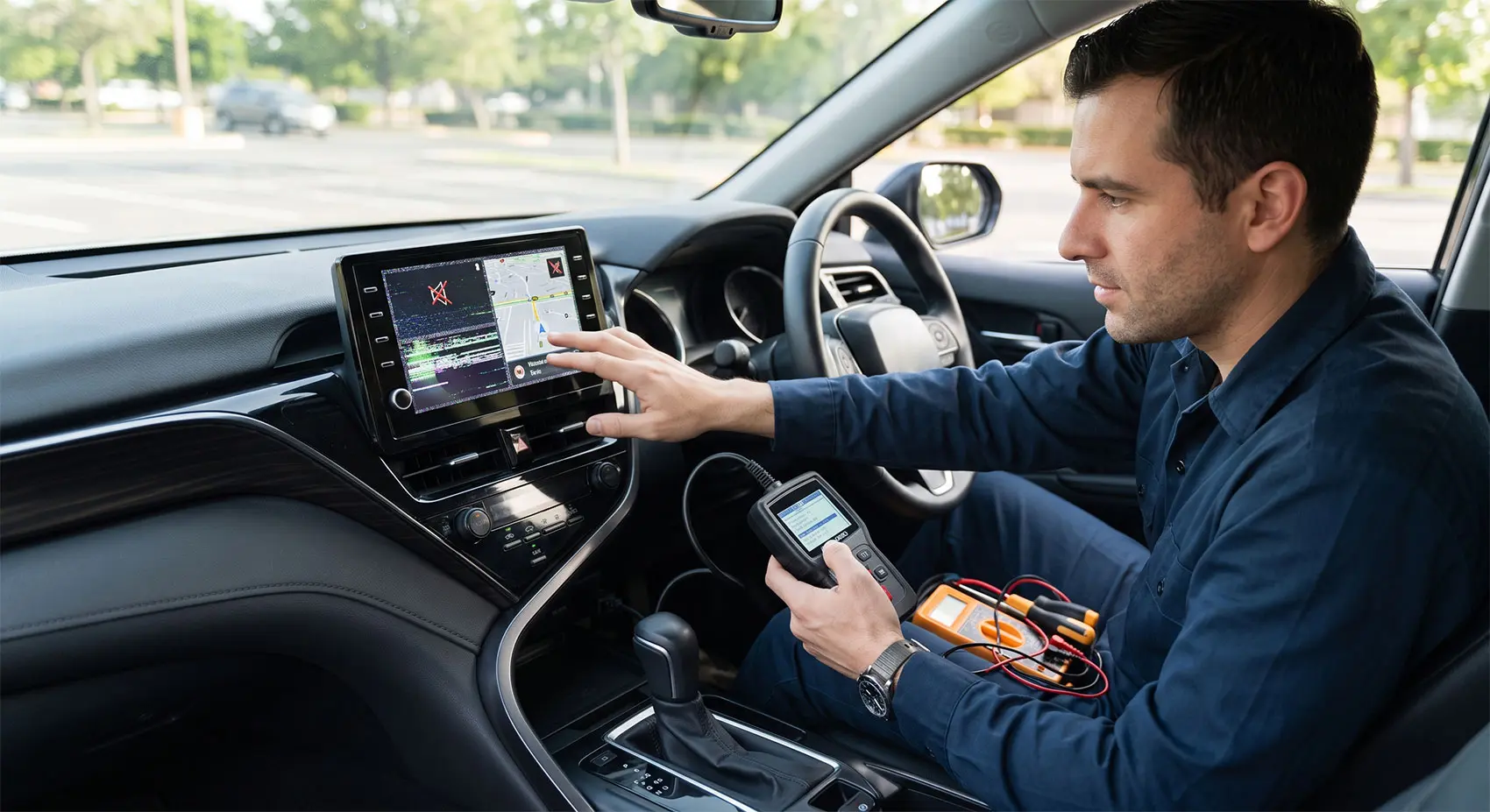
By 2026, your car has become a self-aware machine. Modern vehicles are equipped with hundreds of sensors that monitor everything from tire vibration patterns to the chemical composition of your exhaust. Habit number seven is moving from "guessing" to "knowing" by leveraging AI-driven diagnostics. Instead of waiting for a "Check Engine" light—which is often a late-stage warning—modern drivers use onboard data to catch "micro-faults" before they become mechanical failures.
Many 2026 models come with manufacturer apps that provide real-time health scores. A key habit is checking these monthly "health reports" and taking action on minor alerts. If your car’s AI suggests that a sensor is reporting an "atypical vibration" in the front-left wheel, it might be a wheel bearing starting to fail. Catching it now costs a fraction of what a roadside breakdown would cost.
-
Interpret, Don't Ignore: If your dashboard or app gives you a "Performance Optimized" or "Reduced Power" notification, don't just restart the car and hope it goes away. Use a basic OBD-II Bluetooth scanner (now very affordable and user-friendly) to read the specific fault code.
-
Predictive Maintenance: Some 2026 insurance and service apps use AI to predict when your battery or brake pads will fail based on your specific driving habits. Trust these data-driven insights rather than just relying on the odometer.
-
Example: Imagine an AI alert warns of "Engine Oil Dilution." By catching this early via your smartphone app, you can perform an oil change for $80 and fix a minor fuel injector leak. If ignored, that diluted oil could lead to catastrophic engine failure, costing $5,000+.
Habit 8: Seasonal Deep Cleaning
In the climate of 2026, seasonal shifts have become more extreme, bringing everything from corrosive road salts in the winter to intense pollen and industrial fallout in the spring. Habit number eight is the "Seasonal Reset"—a deep cleaning that goes far beyond a simple surface wash. Most owners neglect the parts of the car they can’t see, which is exactly where rust and mechanical decay begin.
The most critical area for this habit is the undercarriage. Modern cars use a variety of mixed metals—aluminum, high-strength steel, and composites—which can undergo galvanic corrosion when trapped salt and moisture sit in the crevices. By making it a habit to perform a high-pressure undercarriage flush at the end of every winter and a thorough engine bay "dusting" after autumn, you prevent the slow creep of corrosion that often totals older vehicles.
-
The Wheel Well Focus: Brake dust is highly corrosive. During your seasonal clean, ensure you scrub the inner barrels of your wheels. If left to sit, this dust can pit the metal and even affect the heat dissipation of your braking system.
-
Drain Plug Maintenance: Almost every car has small drain holes at the bottom of doors and near the windshield (cowl). Habitually checking that these aren't clogged with leaves prevents water from backing up and frying sensitive 2026 electronic modules located in the footwells.
-
Example: A driver in a snowy climate who doesn't wash their undercarriage might find their brake lines or fuel tank straps rusted through within 6 years. A $15 undercarriage wash twice a year can effectively double the life of these structural components.
Habit 9: Proper Storage and Shelter
In 2026, the intensity of solar radiation and the frequency of "super-storms" have made outdoor parking a significant risk to a vehicle's longevity. Habit number nine is prioritizing shelter. Your car is composed of various materials—rubber seals, plastic trim, and intricate paint—that all have a "shelf life" accelerated by exposure to the elements.
If you have a garage, the habit is simple: use it for your car, not just for storage. If you don't have a garage, investing in a high-quality, breathable car cover or finding a shaded parking spot can prevent the "baking" effect. Constant expansion and contraction from temperature swings cause rubber door seals to dry out and crack, eventually leading to wind noise and water leaks. By keeping the car sheltered, you maintain the "factory seal" integrity for a much longer duration.
-
Avoid Grass Parking: Never make a habit of parking your car on grass or dirt for long periods. Moisture from the ground rises and gets trapped against the undercarriage, creating a "sausage-cooker" effect that causes rapid rust on exhaust systems and suspension components.
-
The "Tree Trap": Avoid parking under sap-heavy trees or near industrial vents. In 2026, many "eco-friendly" paints are water-based and more susceptible to chemical etching from organic acids found in tree sap and bird droppings.
-
Example: A car parked in a garage for its entire life will typically have headlights that remain crystal clear for 15 years. An identical car kept in the 2026 sun will likely see its headlight lenses oxidize and turn yellow in as little as 4 years, reducing nighttime visibility and failing safety inspections.
Habit 10: Keeping a Digital Service History
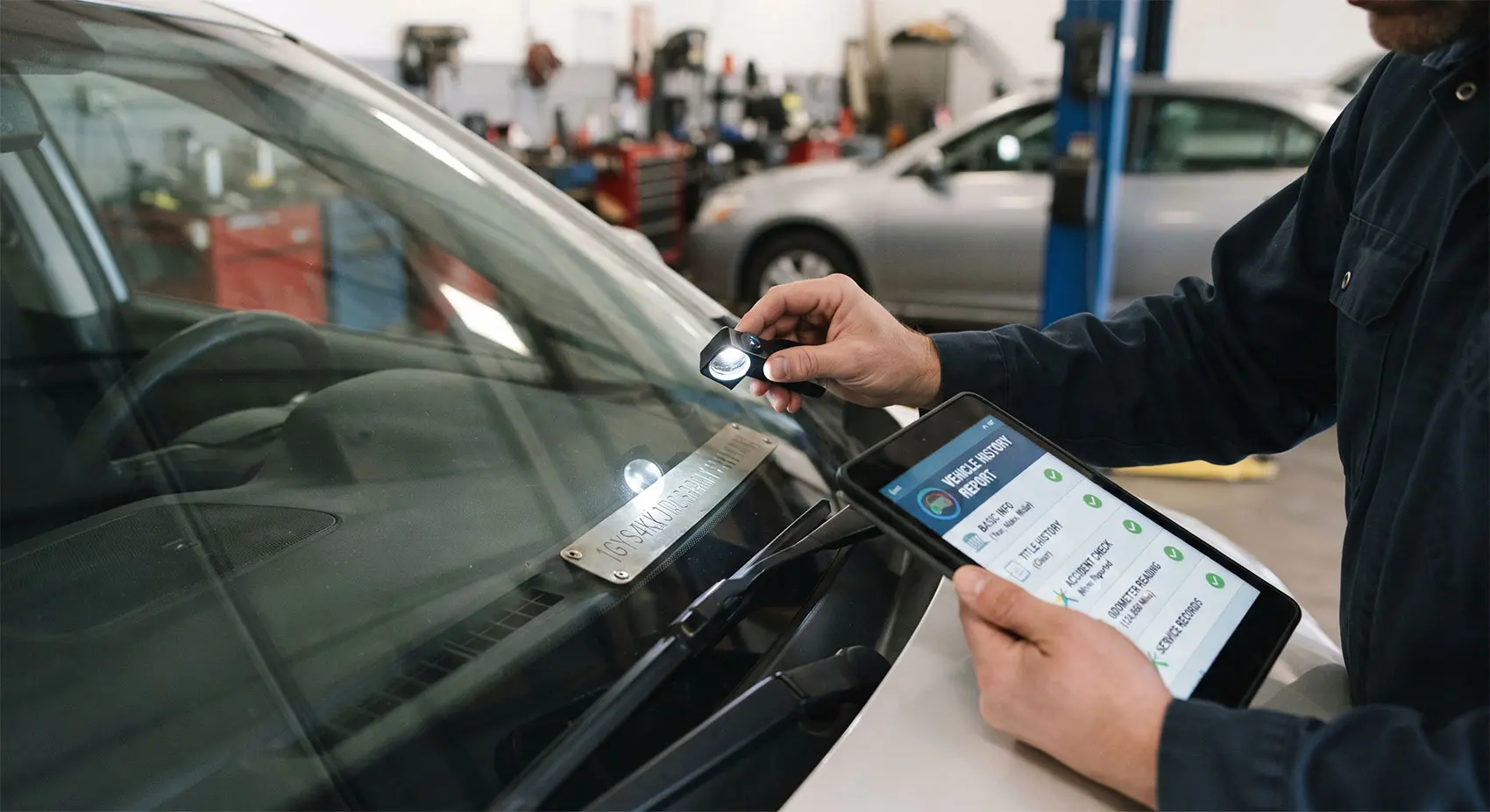
In 2026, the traditional paper logbook in the glovebox has officially become a relic of the past. It has been replaced by the Digital Service Record (DSR)—a secure, cloud-based "maintenance passport" that lives in manufacturer databases. Habit number ten is taking active ownership of your car’s digital pedigree. In a used car market that is increasingly tech-savvy and cautious, a verified, tamper-proof digital history is the ultimate trust signal. It’s no longer just about doing the work; it’s about proving it with data.
A complete digital history can increase your vehicle's resale value by up to 10--15% because it eliminates "lemon anxiety" for future buyers. By ensuring every oil change, software update, and tire rotation is logged into your vehicle's VIN-linked profile, you are effectively creating a "Certificate of Predictability." This habit also helps you stay ahead of the game by integrating with 2026 maintenance apps that send automated reminders based on your actual driving mileage and style.
-
Sync with the Ecosystem: Use manufacturer-specific apps like Mercedes me, myAudi, or BMW ConnectedDrive to monitor your DSR. If you use an independent mechanic, ensure they are registered to update these official digital systems, or use third-party "Smart Garage" apps to upload your own verified receipts
-
The "Immutable" Backup: Make it a habit to photograph or scan every physical invoice and store it in a dedicated cloud folder (like Google Drive or iCloud). In 2026, even if a dealership's database has a glitch, your digital paper trail remains intact and ready for a potential buyer to review via a simple QR code.
-
Example: Imagine two sellers with the same 2024 SUV in 2026. One has a "partial history" and some loose receipts; the other provides a link to a comprehensive, chronological digital log showing every service performed on time. The latter seller will not only sell their car faster but will likely command a $2,500 premium over the disorganized seller.
Conclusion
Reaching the high-mileage club in 2026 is no longer a matter of luck; it is a deliberate achievement. As we have explored throughout this guide, the "200,000-mile mindset" isn't built on expensive additives or occasional panic-repairs. Instead, it is forged through the ten daily, monthly, and seasonal habits that treat your vehicle as a long-term investment rather than a disposable appliance. In an era where cars are becoming increasingly complex and expensive, the most sustainable and financially savvy move you can make is to become a proactive caretaker.
Remember, the best time to start caring for your car was the day you drove it off the lot. The second best time is today. Start by picking just two of these habits—perhaps checking your tire pressure or setting up your digital maintenance app—and build from there. Your car provides you with freedom, mobility, and security; by giving it a little attention in return, you ensure it continues to do so for many years and many miles to come.

Written by Kousar Shabbir
Published Apr 28, 2026 in Maintenance & Tips.