

When the blazing summer sun beats down relentlessly on the asphalt, your vehicle faces one of its toughest seasonal endurance tests. While drivers often worry about cabin comfort and blasting the air conditioning, the real battle is happening silently under the hood. Extreme ambient temperatures place immense thermal stress on your car's engine, pushing cooling systems, lubricants, and vital components past their normal operating limits.
Understanding how summer heat accelerates wear and tear is the first line of defense against unexpected breakdowns on the highway. Modern engines operate at precise, high-heat tolerances. When outside temperatures soar into the nineties and hundreds, the cooling system's capacity to dissipate that heat diminishes significantly. Without proactive seasonal maintenance, minor vulnerabilities such as a slightly degraded coolant hose, an aging thermostat, or a thinning lubricant film can quickly spiral into catastrophic engine overheating.
This comprehensive guide will walk you through everything you need to know to keep your engine running cool, efficient, and reliable all summer long. From decoding the root causes of thermal failure and mastering proper fluid management to optimizing your driving habits in heavy traffic, you will discover actionable strategies to protect your investment. By staying ahead of the heat with smart preventive care, you can ensure your vehicle remains a dependable companion for every daily commute and long summer road trip ahead.
Understanding Engine Overheating Causes in Summer
To effectively protect your vehicle, you must first understand the physics of what happens under the hood when ambient temperatures soar. Your car’s cooling system is a closed, pressurized loop designed to transfer heat away from the engine block and dissipate it through the radiator. However, when outdoor temperatures reach the high nineties or triple digits, the temperature gradient between the engine and the surrounding air shrinks. This means the cooling system has to work significantly harder just to maintain a baseline operating temperature, leaving very little margin for error.
One of the most common catalysts for summer overheating is a compromised cooling system, often triggered by low coolant levels or hidden leaks. Over time, hoses can become brittle, cracked, or porous under intense thermal cycling, allowing coolant to slowly seep out or evaporate before it can do its job. Furthermore, a failing water pump or a stuck thermostat can completely disrupt fluid circulation. If your thermostat gets stuck in the closed position, coolant is trapped inside the engine block, unable to reach the radiator to shed its heat, causing temperature gauges to spike into the red zone within minutes.
Beyond fluid and mechanical failures, external blockages also play a major role. Road debris, bugs, and dirt can accumulate across the fins of your radiator and condenser, severely restricting airflow. Without a steady stream of outside air rushing through the grille at speed or adequate pull from the cooling fan in stop-and-go traffic heat builds up rapidly. Recognizing these root causes empowers you to perform pre-season inspections, check hose integrity, and monitor fluid levels before a minor leak or blocked airflow transforms into a costly roadside breakdown in the middle of a scorching afternoon.
Essential Coolant and Fluid Maintenance
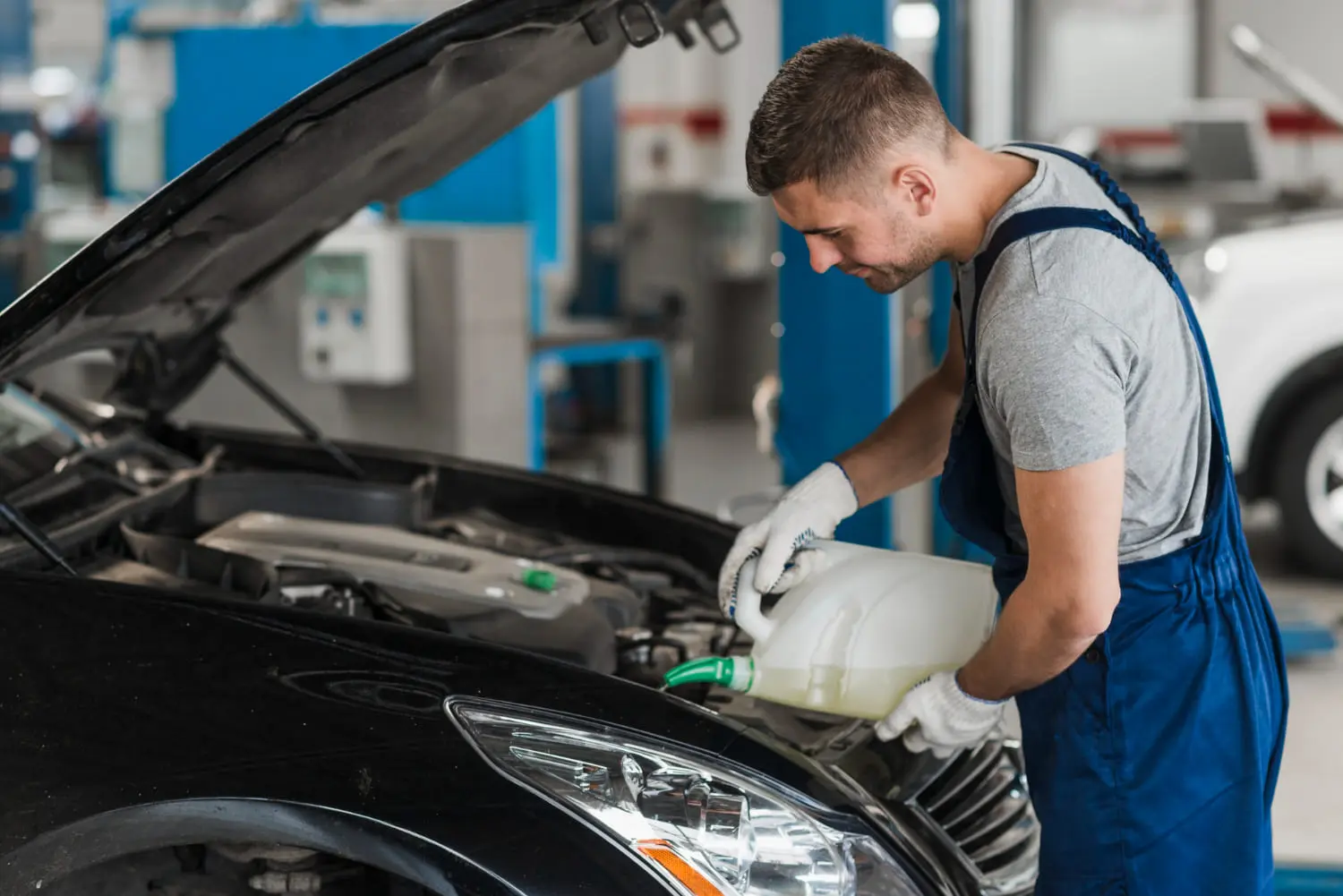
When summer heat threatens to overwhelm your engine, your vehicle’s fluid systems serve as the ultimate frontline defense. Over time, engine coolants often a precise mix of ethylene glycol and water lose their anti-corrosive properties and their ability to efficiently transfer heat. Performing a proper coolant flush before peak summer temperatures arrive removes accumulated rust, scale, and degraded fluid debris from the radiator and block. Fresh coolant restores the fluid's high boiling point, ensuring it can absorb intense thermal loads without vaporizing or forming destructive steam pockets.
When selecting replacement fluids, modern vehicle maintenance increasingly emphasizes performance alongside environmental responsibility. Eco-friendly coolants, formulated with advanced organic acid technology (OAT), offer extended service intervals while reducing toxic environmental runoff without compromising thermal protection. Beyond the radiator, your engine and transmission oils undergo severe thermal stress during hot-weather driving. High ambient temperatures thin out conventional lubricants, reducing their viscosity and weakening the protective film barrier between moving metal parts.
To safeguard your engine, check your oil levels weekly and ensure your scheduled oil changes utilize high-grade synthetic oils that resist breakdown under extreme heat. Combined with a clean coolant system, these optimized fluids minimize friction, prevent premature wear, and maintain stable operating temperatures even when you are stuck in gridlock traffic on a blistering afternoon.
AC Maintenance and Engine Load Management
When summer temperatures reach their peak, turning on your vehicle's air conditioning can feel like an absolute necessity. However, running a high-powered AC system places a substantial mechanical and thermal load directly onto your engine. The AC compressor is driven by a serpentine belt connected to the crankshaft, meaning every ounce of cooling power inside the cabin requires extra effort from the motor. In stop-and-go city traffic or during prolonged idling, this extra load combined with a lack of airflow across the radiator can quickly cause temperature gauges to creep upward.
Recognizing the signs of an overworked or failing air conditioning system can save you from unexpected roadside trouble. If you notice your AC blowing warm air while idling but cooling down once you accelerate, it often indicates a condenser airflow issue or a struggling compressor clutch. Furthermore, strange ticking or squealing noises from beneath the hood when the AC is engaged usually point to a worn belt or a failing compressor pulley bearing that requires immediate attention.
To manage engine load effectively during severe heatwaves, adopt smart driving habits. When starting a vehicle that has been baking in the sun, roll down the windows for the first minute to let trapped heat escape before turning on the AC to maximum blast. In heavy bumper-to-bumper traffic, shifting into neutral and gently revving the engine slightly can sometimes enhance water pump and alternator speeds, though drivers should balance this carefully. By balancing cabin comfort with mindful engine strain management, you reduce thermal fatigue and ensure your cooling system can easily handle the demands of the open road.
Tire Pressure, Batteries, and Other Summer Vulnerabilities
While managing your coolant and air conditioning takes center stage during a heatwave, several other critical automotive systems quietly absorb massive amounts of environmental and mechanical stress. Chief among these are your vehicle's tires. Asphalt temperatures on a scorching summer afternoon can easily reach 140°F (60°C) or higher, directly transferring intense heat to the rubber. As tire temperature rises, the air pressure inside expands—typically increasing by about 1 PSI for every 10°F jump in ambient temperature. Overinflated tires run a severe risk of uneven tread wear, reduced traction, and sudden blowouts on hot interstate highways. Conversely, underinflated tires flex excessively, generating internal heat that breaks down structural integrity. Checking your tire pressure when the tires are cold, at least once a month during summer, is a non-negotiable safety practice.
Equally vulnerable to extreme heat is your vehicle's electrical storage system. High summer temperatures are actually more destructive to traditional lead-acid car batteries than freezing winter conditions. Intense heat accelerates the evaporation of battery electrolyte fluid, causing internal corrosion and grid damage that can leave you stranded without warning. If your battery is more than three years old, have its voltage and CCA (Cold Cranking Amps) tested before summer peaks. For owners of electric vehicles (EVs), thermal management takes on a digital and fluid-based dimension. EV battery packs rely on complex liquid cooling loops to prevent thermal runaway and degradation during fast-charging or aggressive driving in hot weather. Ensuring your EV’s thermal management system is functioning properly and maintaining adequate cooling fluid levels is vital to preserving long-term battery health.
Finally, executing a quick pre-trip checklist before heading out on extended summer road journeys can save you from costly headaches. Take ten minutes to inspect belts, fluid levels, windshield wiper condition, and emergency supplies. By addressing these secondary summer vulnerabilities proactively, you ensure a safe, reliable, and completely worry-free journey no matter how high the thermometer climbs.
Conclusion
As summer temperatures continue to push vehicles to their absolute limits, proactive and vigilant maintenance remains your single best defense against unexpected breakdowns, costly engine repairs, and frustrating roadside delays. Throughout this guide, we have explored the vital pillars of warm-weather car care, from understanding the core physics of thermal stress and engine overheating to managing high-load air conditioning systems. By prioritizing comprehensive coolant flushes, keeping a close eye on fluid degradation, and using eco-friendly, high-performance formulations, you establish a resilient thermal barrier under the hood.
Furthermore, overlooking secondary vulnerabilities—such as the massive heat-induced pressure spikes in tires or the accelerated electrolyte evaporation in traditional and electric vehicle batteries—can leave you stranded when you least expect it. Implementing a routine pre-trip checklist and monitoring your tire health ensures both optimal fuel efficiency and absolute safety on scorching highways.
Ultimately, treating summer car maintenance not as a chore, but as an essential investment in your vehicle's longevity, pays off in smooth, worry-free journeys. Stay ahead of the heat, respect your car's mechanical boundaries, and enjoy a cool, reliable ride all season long.
Continue reading
More from Maintenance & Tips


Written by Kousar Shabbir
Published Aug 6, 2026 in Maintenance & Tips.