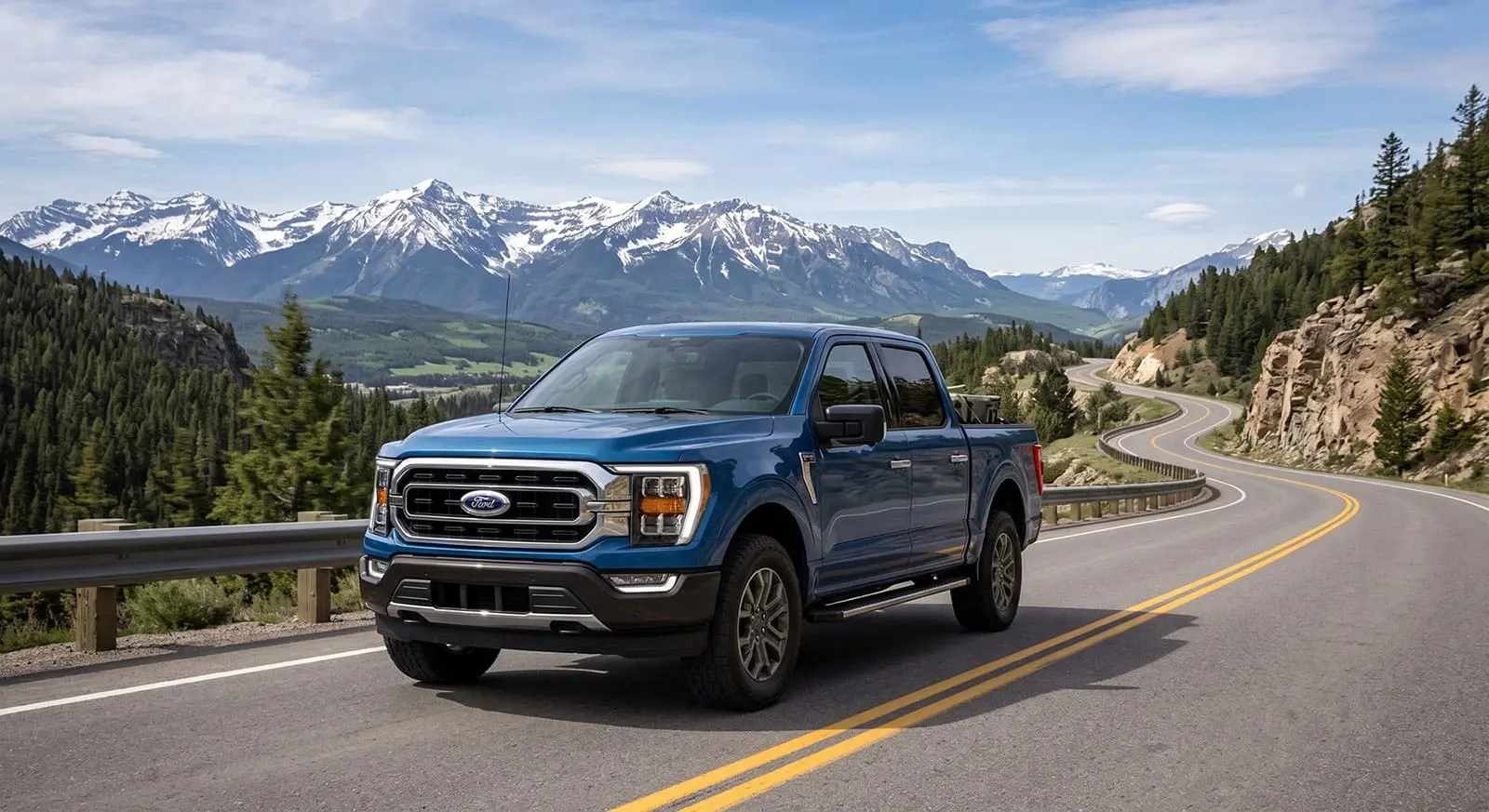
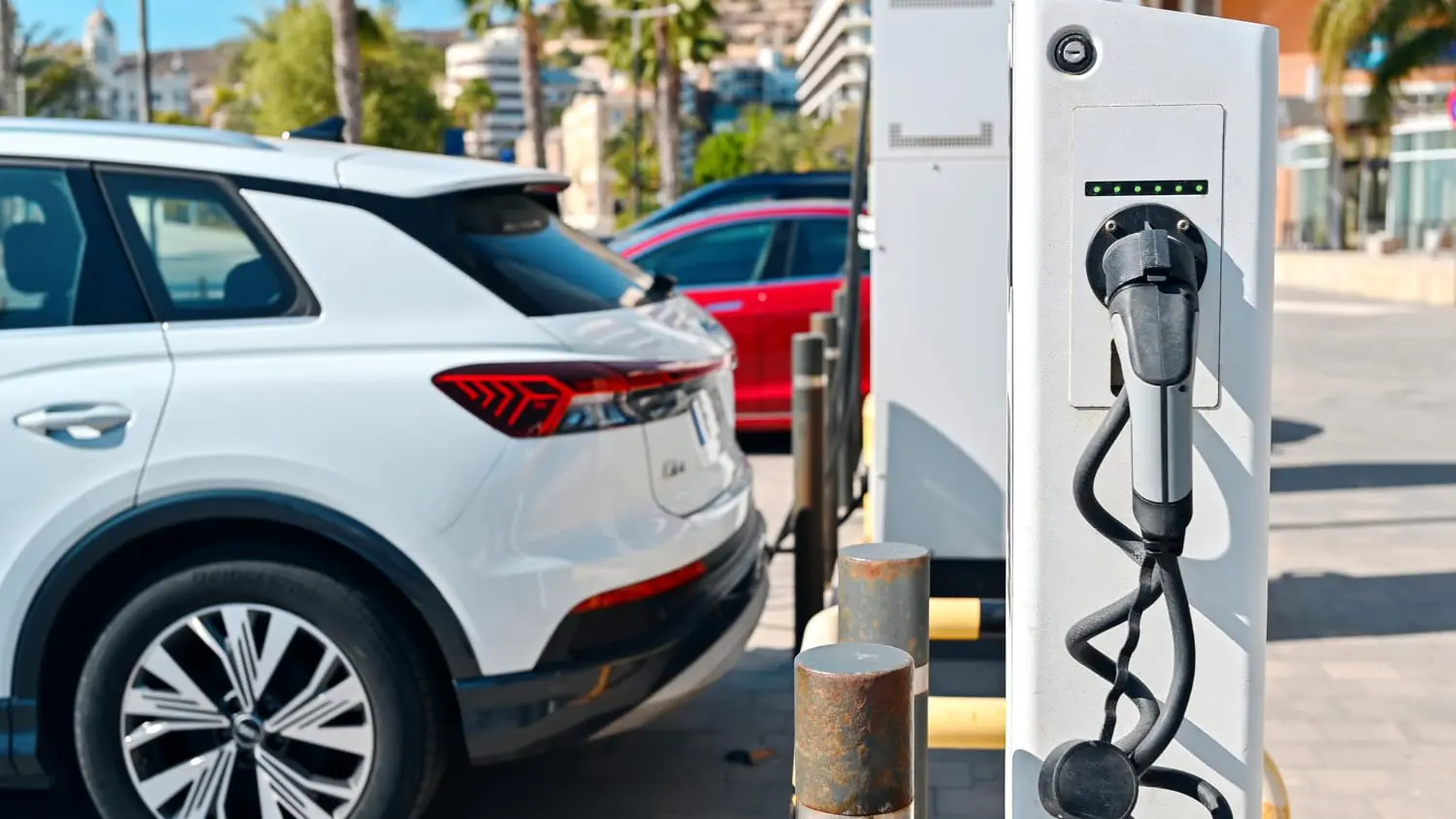
A few years ago, most carmakers said the future would be fully electric. Big promises were made, new factories were planned, and gas engines seemed ready to retire. But in 2026, something surprising is happening. Many automakers are putting small gas engines back into their electric cars, not to drive the wheels, but to make electricity.
These vehicles are called range-extender EVs, or EREVs. They drive like electric cars but carry a small gas generator that charges the battery when it runs low. Ford, Ram, Hyundai, Kia, Scout, and many Chinese brands are now betting on this idea. In this guide, we explain what range-extender EVs are, how they work, why automakers are bringing them back, and whether one could be the right choice for you.
What Is a Range-Extender EV?
A range-extender EV is an electric car with a backup power source on board. It has a large battery, one or more electric motors, and a charging port just like a normal EV. The difference is a small gas engine that works only as a generator. This engine never turns the wheels directly.
This idea is not new. The BMW i3 REx and the Chevrolet Volt used similar technology more than ten years ago. Diesel-electric trains have worked this way for decades. What is new is the size of today's batteries, the power of the generators, and the number of big brands now building them.
How the Gas Generator Works
When you start your trip with a full battery, the car runs on electric power only. It is quiet, smooth, and makes no tailpipe emissions. Most daily drives, like school runs and office commutes, can be done without the engine ever turning on. You charge the battery at home or at a public charger.
When the battery gets low, the gas engine starts automatically. It spins a generator that makes electricity and sends it to the battery and motors. The car still drives like an EV because only the electric motors move the wheels. When the generator runs out of gas, you simply fill up at any normal fuel station.
EREV vs PHEV vs Full EV
A plug-in hybrid, or PHEV, also has a battery and a gas engine. But in a PHEV, the engine can drive the wheels directly, and the battery is usually small. Most PHEVs offer about 20 to 50 miles of electric range. An EREV usually has a much bigger battery and gives you over 100 miles of pure electric driving.
A fully battery-electric vehicle, or BEV, has no engine at all. It is the cleanest and simplest option, but you must stop at chargers on long trips. An EREV sits in the middle. It feels like an EV every day but has the long range and fast refueling of a gas car when you need it.
Why Automakers Are Adding Gas Generators Again
The main reason is simple. Electric car sales have grown, but not as fast as many companies hoped, especially in the United States. Some large EVs have been expensive to build and hard to sell. Ford, for example, reportedly lost money on its electric F-150 Lightning before ending production of the all-electric version.
Automakers now see range extenders as a bridge. These cars let buyers enjoy electric driving without changing their whole lifestyle around chargers. They also help companies sell more electrified vehicles and meet emission goals. Below are the biggest reasons behind this comeback.
Range Anxiety Is Still Real
Many drivers still worry about running out of charge, especially on highways and in rural areas. Charging stations are growing, but they are not everywhere yet. Some chargers are broken or busy, and charging a large battery can take 30 minutes or more. For many buyers, this fear is the biggest reason they avoid EVs.
A range extender removes that fear. Ram says its range-extended pickup can travel up to 690 miles in total, while Ford expects more than 700 miles from its next F-150 Lightning. Those numbers beat many gas trucks. In a McKinsey survey of US car buyers, 18 percent said they were very interested in EREVs once the idea was explained.
Towing and Heavy Loads Drain Batteries Fast
Trucks and large SUVs have a special problem. When an electric pickup tows a trailer, its range can drop by half or more. Ford owners often complained about stopping to charge during long towing trips. Many charging stations are also not built for a truck pulling a camper or boat.
This is why most new range-extender models in North America are trucks and big SUVs. Ford says towing was a major reason for turning the next Lightning into an EREV. With a gas generator on board, a driver can tow long distances and refuel in minutes, while still enjoying instant electric power.
Smaller Batteries Mean Lower Prices
Batteries are the most expensive part of an electric car. A long-range EV truck needs a huge battery to match a gas truck's range. That makes it heavy and costly. A range extender lets automakers use a smaller battery and still offer a long total range.
Scout Motors says its range-extended models will use a battery about half the size of the pure electric version, yet offer more total range. Smaller batteries also need fewer raw materials and cost less to replace. This can help bring prices closer to regular gas vehicles, which matters to everyday buyers.
Range-Extender EVs on Sale or Coming Soon
The list of range-extender models is growing quickly. China has led the way for years, and Europe now has affordable options too. In North America, the first wave is focused on full-size trucks and family SUVs, where long range and towing matter most.
Keep in mind that launch dates often change. Several models below have already been delayed once. Still, the number of brands committing to this technology shows how serious the industry has become about it.
Ram 1500 REV and Jeep Grand Wagoneer
Ram first showed this truck as the Ramcharger. It later cancelled the fully electric version, and the range-extended truck now carries the 1500 REV name. It uses a 92 kWh battery, a 3.6-liter V6 that works as a generator, and about 647 horsepower. Ram claims up to 690 miles of total range and around 14,000 pounds of towing.
The Jeep Grand Wagoneer EREV is expected to share this powertrain in a large luxury SUV. Ram's truck has faced several delays, and current reports point to showroom arrival around 2027. Even so, it is set to be the first mainstream range-extender pickup in North America.
Ford F-150 Lightning EREV
Ford ended production of the all-electric F-150 Lightning and confirmed that the next Lightning will be an EREV. It will still be driven 100 percent by electric motors, with a gas generator adding range. Ford estimates the total range will be more than 700 miles.
The new truck will be built at Ford's Rouge Electric Vehicle Center in Michigan. Ford has not yet shared a launch date or full specs. Given that the F-150 is America's best-selling truck line, this shift could do more than any other model to make EREVs familiar to everyday drivers.
Scout Traveler and Terra
Scout Motors, a brand owned by Volkswagen Group, is reviving the classic Scout name with a rugged SUV called the Traveler and a pickup called the Terra. Both will come as pure EVs or with a gas range extender called the Harvester. Scout says the range-extended versions can reach around 500 miles.
The most interesting part is buyer demand. Scout has said reservations for the range-extended versions far outnumber those for the pure EVs. Customer deliveries are expected to begin around 2028. This early interest shows that many buyers want electric driving but are not ready to give up gas completely.
Hyundai Santa Fe and Kia Telluride
Hyundai plans to launch the Santa Fe EREV in North America in the first half of 2027. The company is targeting more than 600 miles of combined range. Genesis, Hyundai's luxury brand, is also working on an EREV SUV with a target of over 640 miles.
Kia has confirmed a range-extender version of the Telluride three-row SUV for 2029, followed by an extended-range pickup in 2030. These family SUVs matter because they bring the technology beyond trucks. Parents who take long road trips may find them more practical than a pure EV.
Chinese and European Models
China is the biggest market for EREVs by far. Li Auto made the idea popular with large family SUVs, and brands like AITO, Leapmotor, XPeng, and Xiaomi followed. Extended-range sales in China passed 1.2 million units in 2025, though share has slipped in 2026 as faster-charging EVs improve.
In Europe, Leapmotor sells the C10 SUV with a range extender for under 40,000 euros. It pairs a 28.4 kWh battery with a 1.5-liter gas engine. Volkswagen has also shown a range-extender concept for China, and other European brands are studying the idea to meet future emission rules.
Pros and Cons of Range-Extender EVs
No car is perfect for everyone. Range-extender EVs solve some big problems, but they also bring new trade-offs.
Before you buy, think about how far you drive each day, whether you can charge at home, and how often you tow or take long trips.
Benefits for Drivers
The biggest benefit is freedom. You get quiet, smooth electric driving for daily trips and the long range of a gas car for road trips. There is no need to plan every journey around charging stations. Refueling the generator takes only a few minutes.
EREVs can also cost less than long-range EVs because of their smaller batteries. If you charge regularly, you will use very little gas. For truck owners who tow, an EREV may be the only electrified option that truly fits their needs today.
Drawbacks to Consider
An EREV still has a gas engine, so it still needs oil changes and engine maintenance. Carrying both a battery and an engine adds weight and complexity. When the generator runs on the highway, fuel economy can be lower than a regular hybrid.
The environmental benefit also depends on you. If you rarely plug in, an EREV becomes a heavy gas car. Some critics, including EV makers like NIO, call range extenders only a temporary solution as batteries and charging keep improving.
Conclusion
Range-extender EVs are back because they solve real problems that pure EVs have not fully fixed yet. Range anxiety, slow charging on long trips, and weak towing range still keep many buyers away from electric cars. A small gas generator gives these drivers a safety net while letting them enjoy electric driving most of the time.
With Ford, Ram, Hyundai, Kia, and Scout all joining in, EREVs will soon be a common sight on North American roads. They may not be the final answer, but for many drivers they are the most practical step toward an electric future. If you drive long distances or tow often, a range-extender EV deserves a place on your shopping list.


Written by Maarukh Shahbaz
Published Oct 26, 2026 in Auto News.