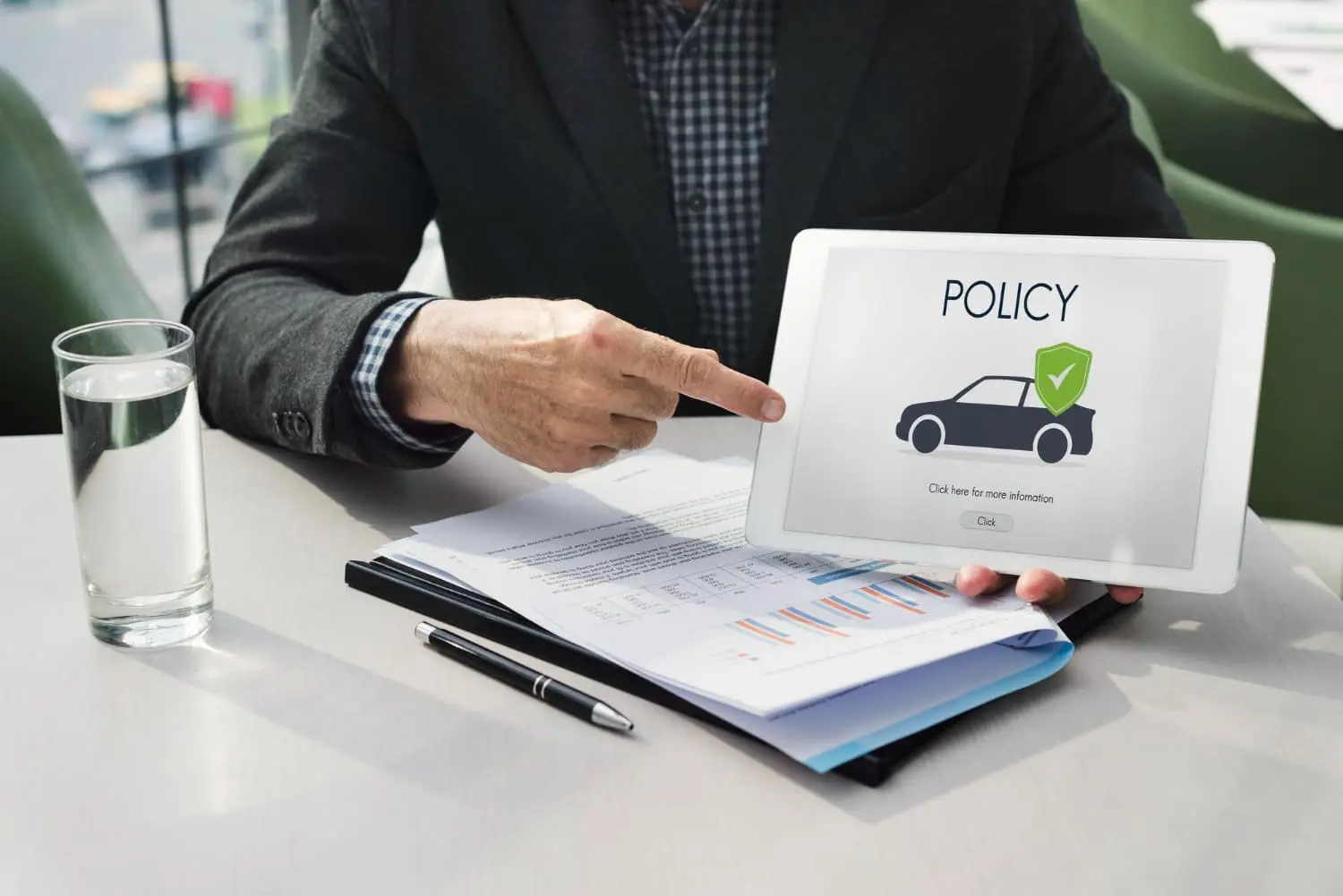
Pakistan's automotive sector is entering a significant period of policy transition in 2026. The previous Auto Industry Development and Export Policy (AIDEP) 2021–26 reached the end of its policy period with the close of fiscal year 2025–26, while policymakers have been working toward a successor framework for the sector. At the same time, changes to customs duties and import-related measures, together with Pakistan's New Energy Vehicles Policy 2025–30, are continuing to influence the prices, availability, and composition of vehicles in the local market.
For consumers, these developments matter because vehicle prices in Pakistan are affected by a combination of taxation, customs duties, exchange-rate movements, import policies, and the level of local manufacturing and parts localisation. Changes in these areas can have a direct effect on the final price of locally assembled vehicles as well as imported cars, including hybrids and electric vehicles.
Understanding the policy changes is therefore important for anyone planning to buy a vehicle in 2026. However, it is important to distinguish between measures that have already been officially implemented and proposals or policy recommendations that are still under consideration. This guide examines the key automotive-policy and taxation developments relevant to Pakistani car buyers in 2026, explains how they may affect vehicle costs, and highlights the factors consumers should consider when deciding whether to purchase now or wait for further changes.
Understanding Pakistan's Auto Policy Changes in 2026
To understand how Pakistan's automotive policy changes may affect vehicle prices and household budgets in 2026, it is important to distinguish between measures that have already been implemented and the broader auto-policy framework that is still evolving. The previous Auto Industry Development and Export Policy (AIDEP) 2021–26 reached the end of its policy period in June 2026, while the government has been working with manufacturers and auto-parts producers on a successor policy focused on strengthening local production, increasing parts localisation, and reducing reliance on imported components.
Alongside this policy transition, the Federal Board of Revenue (FBR) continues to administer customs valuation and the duties and taxes applicable to imported vehicles. In 2026, the government introduced and amended several customs measures affecting vehicles and automotive imports, while FBR also undertook processes relating to the determination of customs values for imported vehicles. These measures can influence the landed cost of imported cars and, indirectly, pricing across the wider automotive market.
The treatment of completely built-up (CBU) vehicles remains an important part of Pakistan's automotive trade regime. Rather than representing a single across-the-board change in 2026, vehicle duties and concessions vary according to factors such as vehicle type, import category, powertrain, and the applicable customs notification. Electric vehicles, for example, continue to receive specific customs concessions under the relevant tariff provisions, while separate measures apply to used and commercial vehicle imports.
Localisation is also a central theme of the government's evolving automotive policy. The Ministry of Industries and Production has stated that strengthening domestic auto-parts manufacturing and protecting parts that can be produced locally are key considerations in the forthcoming policy framework. For consumers, the combined effect of customs duties, taxation, exchange-rate movements, import rules, and the level of local manufacturing can ultimately influence vehicle prices and availability.
For this reason, buyers should assess the specific tax and duty structure applicable to the vehicle they are considering rather than assuming that all cars will be affected in the same way by the 2026 policy changes.
Impact on Car Import Duties and Taxes
The cost of importing a vehicle into Pakistan is determined by a combination of customs duties, regulatory duties, additional customs duties, sales taxes and other applicable charges. In 2026, the Federal Board of Revenue (FBR) introduced and amended several customs measures affecting imports, including separate regulatory-duty provisions for certain commercial vehicle imports. These changes can alter the landed cost of Completely Built-Up (CBU) vehicles and should be considered when comparing imported models with locally assembled alternatives.
Customs valuation is another important part of the calculation. FBR's Directorate General of Customs Valuation periodically conducts valuation exercises and issues valuation rulings under the Customs Act. These rulings can affect the customs value used for calculating duties and taxes where the applicable valuation mechanism requires it. However, the actual amount payable on an imported vehicle depends on the vehicle's classification, applicable tariff provisions, customs value, import conditions and other taxes rather than on a single standard 2026 valuation formula.
Electric and hybrid vehicles can receive preferential treatment under specific Pakistani customs provisions, although the concessions differ according to the vehicle category and applicable conditions. For example, the 2026 customs tariff provides a concessional 25% customs-duty rate for specified four-wheel electric vehicles valued at no more than US$50,000, subject to the conditions set out in the tariff. FBR also provides specified duty-and-tax exemptions for certain imported hybrid electric vehicles, including a 50% exemption for HEVs up to 1,800cc and a 25% exemption for HEVs above 1,800cc up to 2,500cc under the relevant vehicle-import schemes.
For conventional petrol and diesel vehicles, the applicable duty burden can be substantial, particularly for imported CBU models. However, the exact burden varies according to the vehicle's engine capacity, tariff classification, customs value, import category and the taxes and duties applicable at the time of import. In addition, the government's broader automotive-policy agenda continues to emphasise local manufacturing and parts localisation, with the Ministry of Industries and Production identifying increased domestic production as a central objective of the forthcoming auto-policy framework.
As a result, anyone considering a CBU import in 2026 should calculate the vehicle's total landed cost rather than relying solely on its international purchase price. Customs duty, regulatory and additional customs duties, sales tax, withholding taxes and applicable registration charges can all contribute to the final amount payable, and the treatment can vary significantly from one vehicle to another.
Financing, Auto Loans, and Your Monthly Budget
Financing a vehicle in Pakistan requires careful attention to both bank lending terms and the State Bank of Pakistan's (SBP) prudential regulations. Although the major restrictions on auto financing were introduced before 2026, they continue to affect buyers in the current market. SBP tightened consumer-financing rules in 2021 by increasing the minimum down payment for most auto financing from 15% to 30%, reducing the maximum financing exposure per borrower to Rs3 million, and shortening the maximum repayment period. In May 2022, SBP further reduced the maximum tenure to three years for vehicles above 1,000cc and five years for vehicles up to 1,000cc, subject to the applicable regulatory exceptions.
These rules mean that buyers may need substantially more cash upfront than they would have required under earlier financing arrangements. The exact down payment, financing amount and repayment period can also vary according to the vehicle, its engine capacity, the borrower's financial profile and the bank's own lending policies. Buyers should therefore compare the bank's current financing offer with the applicable SBP requirements rather than assuming that all auto loans have identical terms.
The monthly instalment is only one part of the cost of owning a vehicle. A realistic household budget should also account for insurance, fuel or electricity, routine maintenance, registration and provincial motor-vehicle taxes. For financed vehicles, insurance is particularly important because SBP's consumer-financing regulations require the vehicle to remain properly insured during the financing period, subject to the applicable provisions.
Vehicle-related taxes should also be considered separately. Federal advance taxes can apply when a vehicle is registered, while provincial excise authorities administer registration and token-tax requirements. The applicable amount can depend on factors such as engine capacity, vehicle category, filer status and the relevant federal or provincial tax rules. It is therefore more accurate to calculate these costs individually rather than describing all vehicle taxes as a single FBR charge based on engine capacity or vehicle value.
For anyone considering an auto loan in 2026, the most useful approach is to calculate the complete monthly cost of ownership: the bank instalment, insurance, fuel or charging expenses, maintenance, registration and applicable taxes. This provides a more realistic picture of affordability than comparing loan instalments alone and helps ensure that the vehicle remains manageable within the household budget.
Local Manufacturing and Market Prices
The structural core of the 2026 automotive regulations places an immense emphasis on domestic production targets, pushing local assemblers and new market entrants to rethink their supply chains. Under updated policy mandates, local manufacturing incentives are heavily tied to the deepening of local parts fabrication, safety compliance, and technological upgrades. For consumers walking onto showroom floors, this regulatory push creates a two-fold market reality. On one hand, economy segment vehicles and localized hatchbacks benefit from stable domestic supply lines, shielding buyers from the extreme volatility of foreign exchange rates and steep CBU import duties. On the other hand, transitioning fully to these new safety and environmental compliance standards requires heavy upfront retooling by manufacturers, costs that frequently trickle down into retail price adjustments.
Examining price trends across major segments reveals distinct trajectories. Economy and compact sedan segments remain the high-volume backbone, where local manufacturers fiercely compete to offer localized fuel-efficient variants that appeal directly to price-sensitive buyers. Conversely, the mid-range crossover and SUV segments see continuous price recalibration as assemblers factor in imported sub-components, raw material price shifts, and escalating energy tariffs. Furthermore, the mandatory introduction of standardized safety features—such as dual airbags, anti-lock braking systems (ABS), and structural crash testing compliance—means that stripped-down, budget-unfriendly base models are gradually being phased out. For your wallet, this translates to a higher baseline cost for entry-level vehicle ownership, but with guaranteed baseline safety benchmarks that were previously missing from Pakistan's affordable car market.
Local Manufacturing and Market Prices
Local manufacturing and parts localisation remain important elements of Pakistan's automotive policy in 2026. The government has continued to emphasise greater domestic production of auto parts, reduced reliance on imported components, and stronger local value addition as part of the sector's longer-term development strategy. For manufacturers, these objectives can influence sourcing decisions, investment plans and supply-chain structures.
For consumers, greater localisation can provide some protection from the full impact of CBU import duties and reduce direct exposure to international vehicle prices. However, locally assembled vehicles are not completely insulated from exchange-rate movements. Many manufacturers continue to rely on imported components, CKD kits, raw materials and production inputs, meaning that changes in the rupee's value can still affect manufacturing costs and, ultimately, showroom prices.
The effect of localisation also varies across vehicle segments. Entry-level hatchbacks and compact cars have traditionally represented an important part of Pakistan's locally assembled market, while crossovers and SUVs have become increasingly significant. Prices across these categories can be influenced by a combination of local-content levels, imported components, exchange rates, raw-material costs, energy prices, taxation and manufacturers' pricing strategies.
Vehicle safety is another important consideration, but it should be assessed against the specific standards and regulations applicable to each vehicle category rather than described as a single blanket 2026 requirement. Features such as airbags, anti-lock braking systems (ABS) and other safety technologies may be required or offered depending on the applicable regulatory standards and the vehicle concerned. Consumers should therefore check the exact equipment and certification of a model rather than assuming that every vehicle introduced in 2026 is subject to identical safety requirements.
For buyers, the practical impact of greater localisation is therefore mixed. Higher local content can reduce some exposure to imported-vehicle duties and supply-chain risks, while continued dependence on imported inputs means that local assembly does not eliminate exchange-rate or cost pressures. At the same time, improvements in vehicle safety and technology can add value for consumers, although any effect on the final retail price depends on the specific vehicle and the manufacturer's production and pricing decisions.
Strategic Buying Guide: Should You Buy Now or Wait?
Navigating Pakistan's automotive market in 2026 requires buyers to balance their personal needs against changing vehicle prices, financing costs, taxes and regulatory conditions. Whether it makes sense to buy now or wait depends largely on how urgently the vehicle is needed and how sensitive the household budget is to changes in monthly expenses.
If your existing vehicle is experiencing frequent mechanical problems or you need dependable transport for work and daily commuting, delaying a purchase indefinitely may not be economical. In that situation, the cost of repeated repairs, maintenance and alternative transportation should be compared with the cost of replacing the vehicle. Conversely, if the purchase is discretionary—particularly if you are considering an imported or premium vehicle—it may be reasonable to wait and monitor changes in duties, exchange rates, supply and dealer pricing. However, buyers should not assume that waiting will automatically result in lower prices.
For imported and CBU vehicles, buyers should pay particular attention to applicable customs duties, taxes and FBR customs-valuation rules. For locally assembled vehicles, the more relevant factors may include manufacturer pricing, localisation levels, exchange-rate movements, financing costs and the availability and price of replacement parts. Provincial registration and motor-vehicle taxes should also be checked separately because the applicable charges vary according to the province and vehicle category.
Running costs deserve equal attention. Fuel or electricity consumption, insurance, routine maintenance, registration and annual motor-vehicle taxes can substantially increase the long-term cost of ownership. Hybrid and electric vehicles may provide lower operating costs for drivers with high annual mileage, but the potential savings should be compared with the vehicle's purchase price, charging or fuel requirements, battery considerations and expected maintenance costs.
For buyers using financing, obtaining offers from multiple banks can help identify the most suitable combination of down payment, repayment period and total financing cost. Rather than focusing only on the advertised markup rate, buyers should compare the complete amount payable over the life of the loan, including applicable fees and insurance requirements.
Ultimately, a prudent 2026 buying strategy is less about predicting the exact direction of the market and more about matching the purchase to your financial circumstances. Buyers should consider their urgency, total cost of ownership, financing affordability, parts availability and expected resale value. Where possible, it can also be worthwhile to monitor manufacturer and dealer promotions around model-year changes, quarter-end periods or fiscal-year sales campaigns—but any discount should be evaluated against the vehicle's total cost rather than the advertised price alone.
Conclusion
As Pakistan’s automotive sector adapts to the shifting dynamics of the 2026 regulatory framework, car ownership requires a more strategic, budget-conscious approach than ever before. The interplay between updated FBR valuations, stringent import duties, and localized manufacturing targets means that upfront sticker prices and long-term operating costs are evolving in tandem. While hybrid and eco-friendly options offer a viable pathway to mitigate rising fuel expenses, and stricter safety standards ensure higher baseline quality for local builds, prospective buyers must carefully weigh these factors against their personal financial capacities.
Ultimately, navigating the market successfully hinges on thorough planning—factoring in total ownership costs, monitoring policy updates, and timing purchases to align with household stability and market stabilization. By staying informed and selective, you can safeguard your wallet and secure a vehicle that meets both your mobility needs and your financial boundaries.


Written by Maarukh Shahbaz
Published Aug 10, 2026 in Auto News.