
The automotive landscape of 2026 looks fundamentally different from what drivers experienced just a few years ago. With fluctuating interest rates, rapid advancements in vehicle technology, and a massive pivot toward electrification, choosing how to acquire your next set of wheels has become a high-stakes financial puzzle. For decades, the default American and global mindset was straightforward: secure an auto loan, pay it off over five to six years, and drive your asset until the wheels fell off. However, rising vehicle sticker prices and the swift obsolescence curve of modern automotive tech have forced consumers to reevaluate traditional ownership.
At the center of this debate is a classic financial tug-of-war: immediate monthly cash flow flexibility versus long-term equity accumulation. Leasing promises lower monthly payments, zero long-term maintenance anxiety after the manufacturer warranty expires, and the freedom to upgrade into cutting-edge tech every three years. On the flip side, buying a vehicle even with a hefty auto loan ultimately leads to a debt-free asset that you can keep indefinitely, trade in, or sell.
As we navigate the economic climate of 2026, the decision is no longer just about whether you like a car enough to keep it forever. It is a nuanced calculation of opportunity cost, depreciation rates, and lifestyle predictability. While buying offers ultimate long-term equity, leasing provides unmatched monthly flexibility, especially as fast-evolving EV technologies redefine what a modern car is worth tomorrow. Understanding the mechanics behind both choices is the first step toward making a decision that protects your wallet.
Understanding the Core Mechanics: Leasing vs. Buying in 2026
Navigating the financial labyrinth of acquiring a vehicle in 2026 requires understanding two fundamentally different structural models: leasing and financing (buying). While both methods secure you the keys to drive off the dealership lot, the financial engineering behind each approach creates completely distinct pathways for your monthly cash flow and long-term asset accumulation.
To break it down practically, leasing functions much like renting a home. You are paying for the vehicle's depreciation over a predetermined term, typically 36 months, along with a finance charge (often called the "money factor") and applicable local taxes. Your monthly payments are calculated based on the difference between the car's initial sticker price and its projected residual value at the end of the lease term. Because you are only paying for the portion of the vehicle's life you consume rather than its full value, monthly lease payments are consistently lower than loan installments for the exact same model. At the end of the term, you face a choice: return the vehicle, trade it in for a newer model, or exercise the purchase option by paying off the residual value.
Conversely, buying a car through an auto loan means you are financing the entire purchase price of the vehicle, plus interest, taxes, and registration fees, spread across a loan term that frequently spans 60 to 72 months. Your initial cash outlay is typically heavier, requiring a down payment to secure favorable interest rates in today's economic climate. However, every single monthly payment you make builds equity. Once the final loan payment clears, the vehicle transitions into a debt-free asset that you own outright.
When comparing upfront costs and monthly cash flow side by side, leasing generally demands less initial cash at signing (though acquisition fees and first-month payments still apply) and offers lower recurring monthly bills. Buying requires a higher upfront financial commitment and higher monthly obligations, but it rewards your budget over time by eliminating monthly car payments altogether once the loan term concludes.
Depreciation and Long-Term Equity: Who Wins?
When evaluating whether leasing or buying makes more financial sense in 2026, you cannot ignore the brutal math of automotive depreciation. The moment a brand-new vehicle is driven off the dealership lot, its market value drops precipitously. Historically, standard passenger vehicles lose anywhere from 20% to 30% of their value within the first year alone, and up to 50% or more by the end of a three-year cycle. While the pre-owned market has stabilized somewhat compared to the wild fluctuations of prior years, depreciation remains the single largest "hidden" cost of vehicle ownership.
Understanding how depreciation interacts with your finances highlights the fundamental philosophical divide between leasing and buying. When you buy a car with a loan, you absorb 100% of that early depreciation curve. Because your monthly loan payments in the first few years often fail to outpace the rate at which the car is losing value, you frequently enter a state of "negative equity"—popularly known as being "upside down" on your loan—where you owe more to the bank than the car is actually worth. However, depreciation is a downward slope that flattens out over time. If you keep your vehicle for six, eight, or ten years, that initial drop-off hurts less because you amortize the asset's cost over a much longer window, eventually reaching total ownership and zero monthly payments.
When you lease, you bypass the anxiety of long-term depreciation entirely. You aren't paying for the vehicle's total lifespan; you are strictly paying for the depreciation that occurs during your specific 36-month contract. The leasing company assumes the risk of what the car will actually be worth when you hand the keys back. If market trends cause used car values to plummet unexpectedly, it is the lessor's problem, not yours.
Ultimately, this trade-off comes down to equity versus convenience. Buying rewards patience and long-term retention by transforming a depreciating asset into a fully owned piece of personal property. Leasing accepts that cars are depreciating tools rather than investments, trading the pursuit of equity for predictable monthly payments
Special Consideration: The EV Revolution and Battery Technology
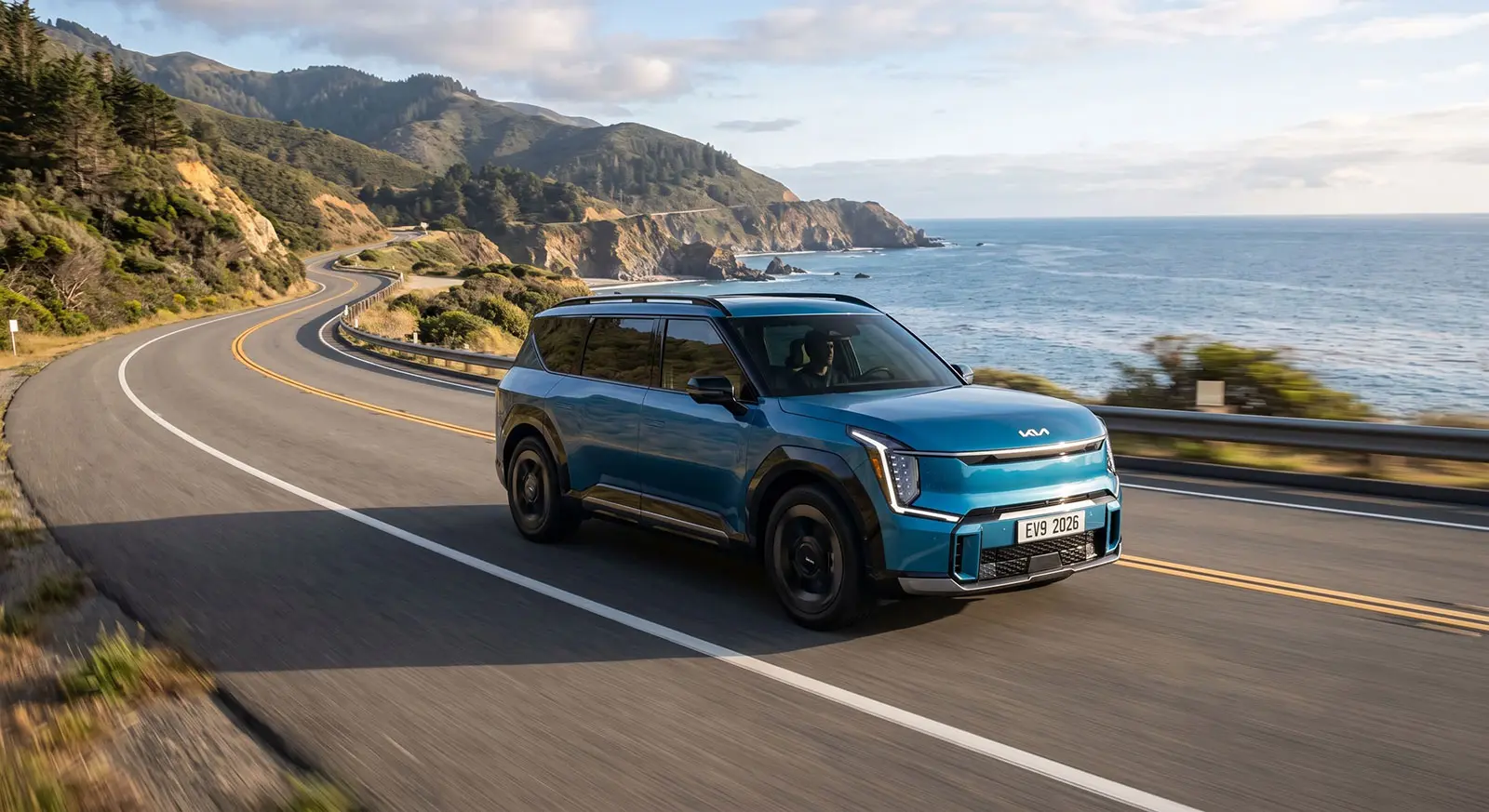
No discussion of vehicle acquisition in 2026 is complete without examining the massive ripple effects of the electric vehicle (EV) revolution. Clean transportation has shifted from an emerging trend to a dominant market force, bringing unique economic dynamics that heavily skew the financial debate between leasing and buying. If you are eyeing an EV, hybrid, or plug-in hybrid model for your next garage addition, traditional ownership rules change drastically due to one primary factor: rapid technological obsolescence.
Battery and charging technologies are evolving at a breakneck pace. Range anxiety of the early 2020s has been largely replaced by ultra-fast charging capabilities and solid-state battery breakthroughs currently hitting the market. While this is fantastic news for the future of transportation, it introduces a severe financial penalty for anyone who buys an EV today. A battery-powered vehicle bought outright in 2026 faces a steeper and less predictable depreciation curve than a traditional internal combustion engine vehicle. If a revolutionary battery platform doubling driving range or cutting charge times in half hits the market two years from now, the resale value of older EV models takes a sharp hit.
This is precisely why leasing an electric vehicle has emerged as a powerhouse strategy for modern drivers. When you lease an EV, you completely insulate yourself from the risk of technological obsolescence. You get to drive the cutting edge of clean tech today without worrying about what your car will be worth on the secondary market three years down the road. Furthermore, leasing structures often pass commercial EV tax credits directly to consumers as capitalized cost reductions, lowering monthly payments even further.
Ultimately, if you prefer the peace of mind of holding onto a vehicle for a decade, buying an internal combustion engine vehicle still holds predictable ground. But if you want to transition into the EV space in 2026 while protecting yourself against fast-moving technological shifts, leasing provides a financial safety net that traditional buying simply cannot match.
Hidden Costs and Fine Print to Watch For
When crunching the numbers between leasing and buying, it is easy to focus exclusively on the monthly payment or down payment while ignoring the extensive fine print that governs most automotive contracts. Both financing and leasing carry distinct financial traps that can quietly drain your bank account if you fail to read the terms carefully before signing on the dotted line.
For those who choose to lease, the hidden costs usually revolve around usage restrictions and end-of-term fees. Lease contracts enforce strict mileage caps typically ranging from 10,000 to 15,000 miles per year. If your lifestyle requires extensive driving, cross-country road trips, or long daily commutes, exceeding those limits triggers steep per-mile penalty fees (often ranging from 15 to 30 cents per excess mile) that can accumulate into a massive surprise bill when you turn the keys in. Additionally, lessors inspect vehicles for abnormal wear and tear upon return; minor dings, interior stains, or worn tires beyond standard usage guidelines will result in out-of-pocket charges. You must also account for disposition fees, a mandatory administrative charge levied by the leasing company just to take the car back, and early termination penalties if you try to exit the contract prematurely due to unexpected life changes.
On the other hand, buying shifts the financial burden entirely toward maintenance and long-term risk. Once a financed vehicle rolls past its manufacturer warranty period (typically three years or 36,000 miles, though some brands offer five years), every mechanical failure, transmission glitch, or worn-out suspension component is entirely your financial responsibility. While buying allows you to drive as many miles as you want without penalty and handle cosmetic wear and tear however you see fit, repairing an aging vehicle out of pocket can easily offset the money you saved by avoiding lease payments. Furthermore, if you need to sell a financed car early before you have built positive equity, you may have to pay out of pocket to cover the remaining balance on your loan.
Weighing these hidden variables requires an honest assessment of your driving habits. If you drive predictably, maintain your vehicles meticulously, and want built-in warranty coverage protection, leasing's restrictions are easy to navigate. If your driving patterns are erratic, high-mileage, or hard on machinery, buying gives you the freedom to absorb the wear without financial penalties, provided you budget for long-term maintenance.
Conclusion (Leasing vs Buying a Car in 2026: Which Makes More Financial Sense?)
Navigating the 2026 automotive market requires throwing out outdated assumptions about how we acquire and value transportation. The traditional mindset of defaulting to a long-term auto loan no longer serves every driver, especially in an era defined by fluctuating economic variables, accelerated vehicle depreciation, and the rapid, tech-driven evolution of electric vehicles. Both leasing and buying offer distinct financial pathways, and the right choice depends heavily on how you weigh immediate cash flow flexibility against long-term asset accumulation.
If your priority is minimizing upfront cash strain, enjoying lower monthly installments, staying protected against rapid technological obsolescence, particularly with EVs, and stepping into a brand-new vehicle every three years without the headache of resale depreciation, leasing emerges as the clear financial victor. It treats a car for what it fundamentally is: a depreciating utility that you rent for its most trouble-free years, insulating you from out-of-pocket repair costs once warranty coverages expire.
Conversely, if you view a vehicle as a long-term investment in freedom from monthly debt, drive high annual mileage that shatters standard lease caps, or prefer to maintain a single machine for a decade until the wheels fall off, buying remains the ultimate wealth-preserving choice. By absorbing the early depreciation curve and pushing through to total ownership, you eventually eliminate monthly car payments entirely, reclaiming your cash flow for other life priorities.
Ultimately, the best financial decision in 2026 comes down to matching your personal driving habits, risk tolerance, and cash flow goals with the structural realities of each model. By analyzing your true transportation needs rather than following convention, you can secure your next set of wheels in a way that respects your bottom line.




Written by Maarukh Shahbaz
Published Jul 25, 2026 in Buying Guides.