Picture this: You are driving down a busy highway, traffic is flowing smoothly, and suddenly you need to slow down. You press your foot onto the brake pedal, but instead of the usual smooth, predictable resistance, it feels stiff, sticky, or sluggish to return. A cold wave of panic hits you. Will the car stop in time? Will the pedal catch halfway down? A sticky brake pedal is not just an annoying mechanical quirk; it is a critical safety hazard that can spell the difference between a routine commute and a catastrophic collision.
Your vehicle’s braking system is arguably its most vital safety mechanism, relying on a seamless interplay of hydraulic pressure and mechanical linkages to bring a multi-thousand-pound machine to a controlled halt. When you press the pedal, you expect an immediate, intuitive response, followed by an equally swift return to its resting position once you lift your foot. However, due to age, lack of maintenance, environmental exposure, or internal component failure, this delicate cycle can easily be disrupted.
Recognizing early warning symptoms, understanding core mechanical failures ranging from contaminated fluid to corroded pivot points, and applying proper repair strategies can prevent complete system failure. In this guide, we will break down exactly why brake pedals stick, how to diagnose the issue safely before disaster strikes, and when it is time to call in a professional mechanic.
Understanding How Your Car’s Braking System Operates
To truly grasp why a brake pedal can become sticky, sluggish, or frustratingly stiff, it helps to understand the engineering harmony happening beneath your feet every time you drive. Modern automotive braking systems are a sophisticated blend of hydraulics and mechanical linkages. When you press down on the brake pedal, you are not simply pushing a lever; you are initiating a powerful hydraulic chain reaction that multiplies your foot's physical force to halt thousands of pounds of moving steel.
At the core of this system is the brake pedal assembly itself, which acts as a pivot lever attached to a metal arm. When depressed, this arm pushes an actuator rod directly into the vacuum brake booster. The booster uses engine vacuum or electronic assistance to multiply your effort, pushing against the piston inside the master cylinder. The master cylinder then forces brake fluid, a specialized, non-compressible hydraulic fluid, under immense pressure through steel lines down to the brake calipers at each wheel. The calipers squeeze friction pads against the rotors, converting kinetic energy into thermal energy and stopping the vehicle.
However, for this entire sequence to reset smoothly the moment you lift your foot, every component must return to its baseline resting state without friction or delay. A strong mechanical return spring pulls the pedal back up, while internal seals and springs inside the master cylinder and booster push hydraulic pressure backward. If any part of this loop, whether it is a rusty pivot pin in the footwell, a failing master cylinder piston, or degraded, sludgy brake fluid, experiences binding, the pedal will feel sticky or refuse to return promptly. Maintaining this balance is essential not just for driving comfort, but for absolute safety on the road.
Common Causes of a Sticky or Stiff Brake Pedal
When your brake pedal fails to return smoothly or feels stubbornly rigid, it points to a specific mechanical or hydraulic failure within the system. Identifying the root cause is the first step toward a safe and permanent fix. Here are the most frequent culprits behind a sticky brake pedal:
-
Contaminated or Degraded Brake Fluid: Over time, brake fluid naturally absorbs moisture from the air. Because brake fluid is hygroscopic, water contamination lowers its boiling point and creates internal corrosion within the master cylinder and brake lines. This moisture buildup leads to sludge, rust particles, and sticky varnish deposits that impede the free movement of valves and pistons, causing the pedal to bind.
-
A Failing Master Cylinder or Vacuum Booster: The master cylinder contains internal rubber seals and pistons that push fluid down the lines. If these seals degrade, swell, or tear, the piston can catch or stick halfway through its stroke. Similarly, a failing vacuum booster, which uses engine vacuum to assist your foot pressure, can develop an internal air leak or mechanical binding, trapping pressure and preventing the pedal from springing back up.
-
Corroded Footwell Linkages and Pivot Pins: Sometimes the issue isn't hydraulic at all, but purely mechanical. The brake pedal arm pivots on a metal pin under your dashboard. Dirt, dust, spilled liquids, and lack of lubrication can cause this pivot point to rust and seize up. Additionally, a weak, stretched, or disconnected return spring will fail to pull the pedal back to its resting position, leaving it sagging or stuck.
Early Warning Signs Before the Pedal Gets Completely Stuck
Your car rarely suffers a catastrophic brake failure without first sending warning signals. Paying close attention to how your brake pedal feels and sounds can save you from a dangerous situation on the road. Most mechanical and hydraulic issues develop gradually, giving you a vital window of opportunity to diagnose and fix the problem before the pedal locks up entirely.
One of the earliest and most common indicators of a failing braking system is a subtle change in pedal return speed. When you lift your foot after slowing down, the pedal should instantly snap back to its resting position. If you notice a slight delay, or if the pedal feels sluggish and lazy on its upward travel, it points directly to a binding pivot pin, a stretched or broken return spring, or early-stage sludge buildup inside the master cylinder. Ignoring this minor lag allows friction to compound, eventually leading to a completely stuck pedal.
Another critical warning sign is an unusual change in pedal resistance accompanied by strange noises. You might experience a spongy or mushy feel at the top of the pedal stroke, followed by unexpected binding or stiff resistance halfway down the stroke. Additionally, listen closely when you press the pedal in your footwell. Squeaking, groaning, clicking, or metal-on-metal rubbing noises often indicate that the footwell linkages, pushrods, or pivot mechanisms are dry, dirty, or heavily corroded. Coupled with a minor drop in fluid levels or a faint dashboard warning light, these symptoms demand an immediate, thorough inspection.
Step-by-Step DIY Troubleshooting and Inspection
When dealing with a sticky brake pedal, a systematic inspection can help you pinpoint whether the problem is an easy fix in the footwell or a major hydraulic issue requiring professional intervention. Before you touch any component, always ensure the vehicle is safely parked on a level surface, the parking brake is engaged (if operational), and the engine is completely cool. Never crawl into a cramped footwell or attempt under-the-hood checks while the vehicle is running or hot, as moving parts and hot exhaust components can cause severe burns or injury.
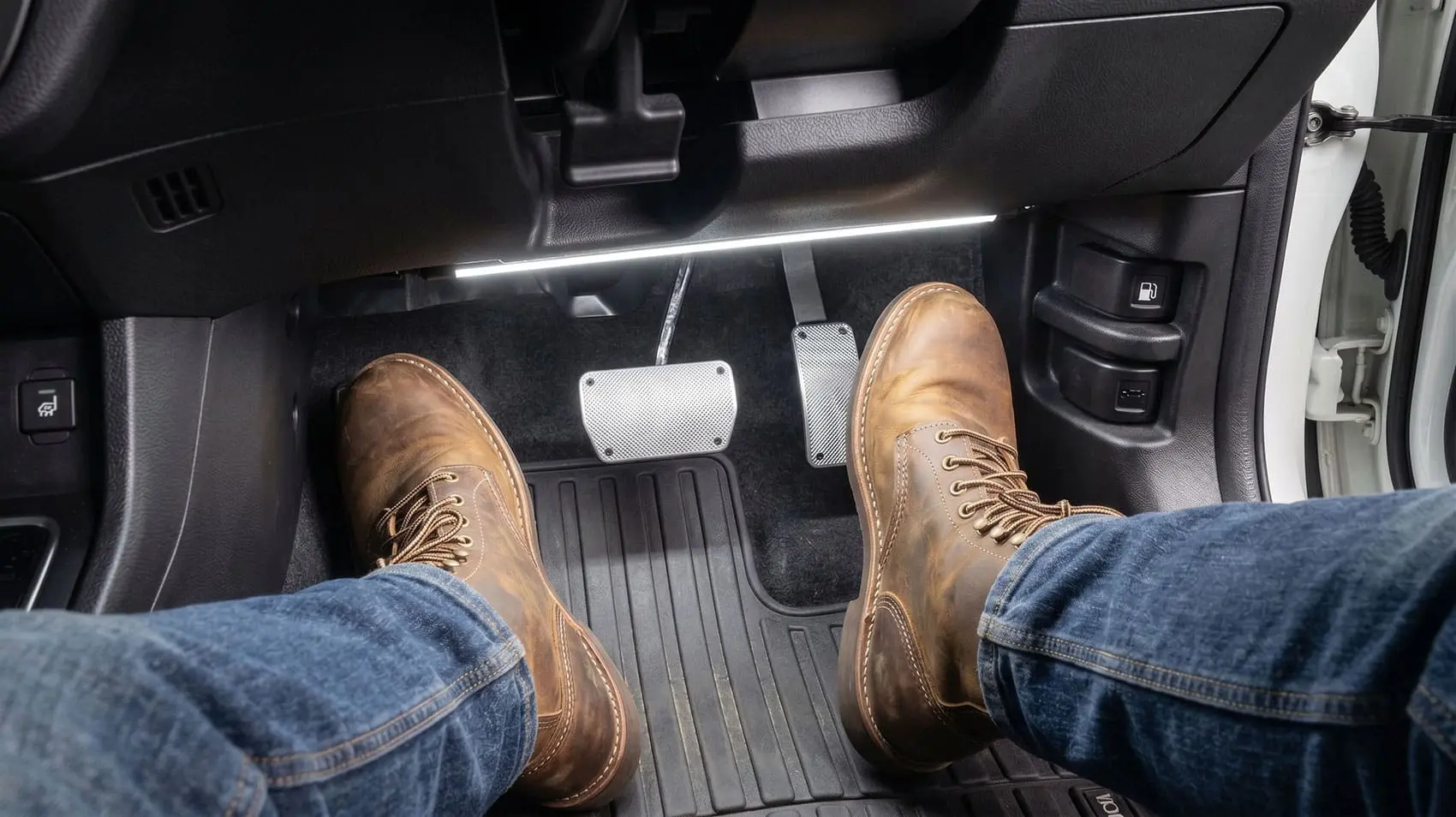
Your first inspection point is the footwell. Grab a flashlight and look closely at the brake pedal assembly under the dashboard. Check the metal pivot pin and hinges where the pedal arm swings. Over time, dust, spilled beverages, and general grime build up here, causing the joint to bind. Look for a small metal return spring attached to the pedal arm. If this spring is stretched out, disconnected, or snapped entirely, the pedal will lose its mechanical assistance to pop back up. You can manually push the pedal up and down with your hand while the car is off to see if it drags or catches on any interior trim or custom floor mats, which are a surprisingly common cause of "sticky" pedal complaints.
Next, pop the hood and locate the brake fluid reservoir, typically mounted near the driver's side firewall on top of the master cylinder. Check the fluid level against the minimum and maximum markers on the translucent plastic tank. If the fluid is pitch black, contaminated with floating debris, or completely empty, you are looking at an internal system breakdown. Finally, test the vacuum brake booster by pumping the brake pedal several times with the engine off to bleed out residual vacuum (the pedal should feel hard and high). Then, keep your foot pressing lightly on the pedal and start the engine; the pedal should drop slightly as vacuum assistance engages. If it doesn't budge or if you hear a loud hissing sound, the booster or its check valve has failed.
When to Perform DIY Fixes vs. Calling a Professional Mechanic
Knowing your limits when working on a vehicle's braking system is not just a matter of saving time or money; it is a critical line of defense between safe transit and a complete loss of control on the road. While minor maintenance tasks can easily be handled in your home garage with basic tools, hydraulic failures demand the specialized expertise, professional tools, and certified precision of a trained mechanic. Recognizing where your DIY skill set ends and professional intervention begins can prevent catastrophic accidents.
For simple, mechanical issues, do-it-yourself fixes are entirely appropriate and straightforward. If your inspection reveals that the brake pedal is slow to return simply because the footwell pivot pin is dry or dirty, you can thoroughly clean the area and apply a high-grade silicone or lithium grease to restore smooth movement. Similarly, if you notice that the small metal return spring under the dashboard has snapped, stretched, or disconnected from its mounting tab, purchasing an exact replacement spring and hooking it back into place is a quick, safe repair that takes less than ten minutes. You can easily verify the success of these minor fixes by manually depressing and releasing the pedal; if it instantly snaps back to the top with crisp mechanical authority, the problem is solved.
However, the moment your troubleshooting points toward internal hydraulic failure or booster malfunction, you must step away from the tools and call a professional. Replacing a master cylinder, dealing with a failing vacuum booster, or opening up the hydraulic lines requires absolute precision. If air enters the brake lines during a master cylinder replacement and you fail to bleed the system correctly using a vacuum bleeder or a two-person helper technique, your brake pedal will become spongy or sink entirely to the floor under pressure. Never attempt complex hydraulic repairs or component replacements without proper professional training, mechanical certification, and heavy-duty safety equipment. When it comes to brakes, cutting corners or guessing your way through a repair creates an unacceptable hazard for yourself and everyone else on the road.
Conclusion & Preventative Maintenance
Preventing a sticky brake pedal comes down to consistent habits, routine inspections, and a proactive approach to vehicle maintenance. Your car’s braking system operates under immense thermal and hydraulic stress every single time you drive. When components age, fluid breaks down, or dust accumulates in the footwell, small mechanical resistances can quickly spiral into dangerous system failures. By staying vigilant and catching early warning signs, such as a sluggish pedal return, slight binding, or unusual squeaks, you can protect yourself, your passengers, and fellow motorists from the terrifying reality of brake failure.
To keep your braking system performing at its absolute peak, commit to a strict preventative maintenance schedule. Have your brake fluid completely flushed and replaced every two years or 30,000 miles to eliminate moisture contamination, internal rust, and sludge buildup. Regularly inspect your vehicle's footwell to ensure floor mats are properly secured and never interfere with the full travel of the brake pedal arm. Additionally, ask your mechanic to inspect the master cylinder, vacuum booster, and caliper slide pins during every routine seasonal tire rotation or oil change. A well-maintained brake system ensures peace of mind, reliable stopping power, and a long life for your vehicle.


Written by Maarukh Shahbaz
Published Sep 16, 2026 in Maintenance & Tips.