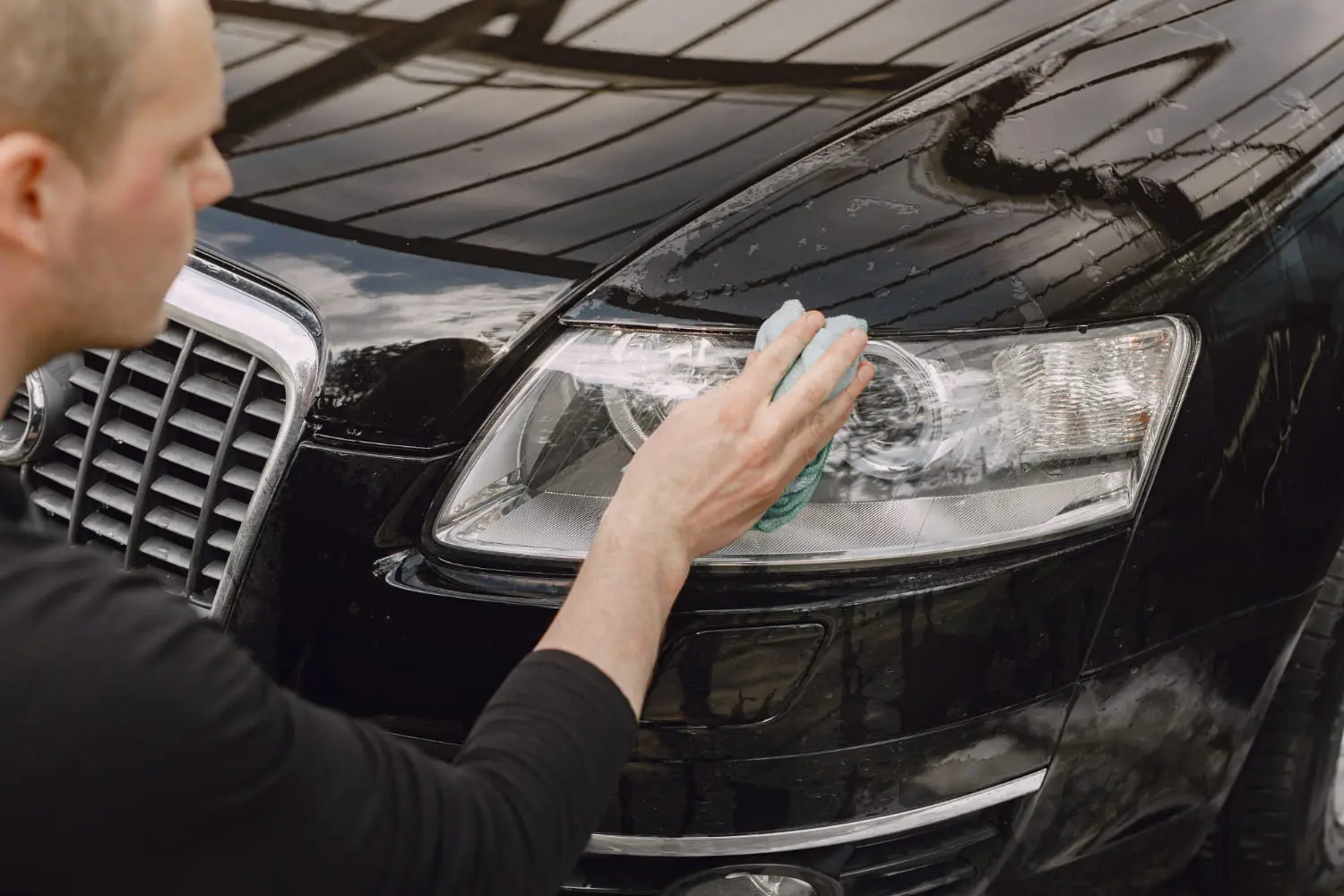
Picture this: You are driving down a pitch-black stretch of highway at night, but your headlights barely illuminate twenty feet ahead of you. Road signs appear as faint blurs, and unexpected hazards seem to jump out from the dark at the very last second. While many drivers immediately assume their headlight bulbs are dying or their vehicle’s electrical system is failing, the real culprit is often sitting right on the surface of the lenses. Over time, clean, crystal-clear plastic headlight housings degrade into cloudy, yellowed, and hazy obstacles that drastically cut down your night vision.
Oxidized headlights are far more than a minor cosmetic eyesore that drags down the resale value and appearance of your car; they represent a major safety hazard. Studies show that badly hazified or foggy headlights can reduce light output by as much as 80%, severely compromising your reaction time during nighttime driving or stormy weather.
The good news? You don't need to spend hundreds of dollars at a mechanic or auto body shop, nor do you need to purchase brand-new factory headlight assemblies to restore your vehicle's illumination. With the right technique, basic household items, or an inexpensive restoration kit, you can transform completely foggy car headlights back to brilliant, crystal-clear clarity in as little as 15 minutes.
In this comprehensive guide, we will break down exactly why headlights fog up in the first place, outline the essential tools you need, and walk you step-by-step through a rapid 15-minute DIY cleaning process. We’ll also cover deep restoration options for severely damaged lenses and explain how to apply a long-lasting protective UV shield so your headlights remain clear for years to come.
Why Car Headlights Get Foggy and Yellowed Over Time
Understanding why your headlights turn cloudy is essential to restoring them properly and keeping them clear over the long run. Modern auto manufacturers abandoned glass headlight covers decades ago in favor of polycarbonate plastic. Polycarbonate is lightweight, highly impact-resistant (it rarely shatters when hit by road rocks or debris), and easy to mold into sleek, aerodynamic body designs. However, despite its physical durability, polycarbonate plastic has one major weakness: it is naturally porous and prone to UV degradation.
Polycarbonate Degradation and Factory UV Coatings
To protect raw polycarbonate plastic from intense solar radiation, vehicle manufacturers apply a thin acrylic clear coat with UV blockers during production. For the first few years of your car's life, this coating keeps the headlights sparkling clear. However, constant exposure to sunlight eventually breaks down this protective layer:
-
Ultraviolet Radiation: Solar UV rays degrade the molecular bonds inside the protective clear coat, causing micro-fractures, oxidation, and a characteristic yellowish discoloration.
-
Environmental Heat: Radiant heat from both the intense sun and the high-wattage headlight bulbs inside accelerates the chemical breakdown of the outer coating.
-
Road Abrasion & Debris: As you drive, high-speed impact from sand, tiny rocks, winter salt, and road grime chips away at the protective layer, creating microscopic pitting where dirt and moisture settle.
-
Harsh Chemical Washes: Automatic car washes using heavy alkaline soaps or acidic rim cleaners strip away what remains of the factory UV barrier over time.
Once the factory UV coating deteriorates completely, the bare polycarbonate plastic underneath is exposed directly to oxygen and sunlight. The result is rapid surface oxidation—the chalky, yellowed, hazy surface that severely dims your car's illumination.
Tools and Materials Needed for a 15-Minute DIY Restoration
Before starting your 15-minute headlight restoration, gather all your supplies so you can move efficiently through each stage of the process. Depending on the severity of oxidation on your lenses, you can choose between a ultra-fast household method or a dedicated commercial restoration product.
The 15-Minute Rapid Headlight Cleaning Method (Step-by-Step)
Continue reading
More from Maintenance & Tips

Written by Kousar Shabbir
Published Aug 13, 2026 in Maintenance & Tips.