
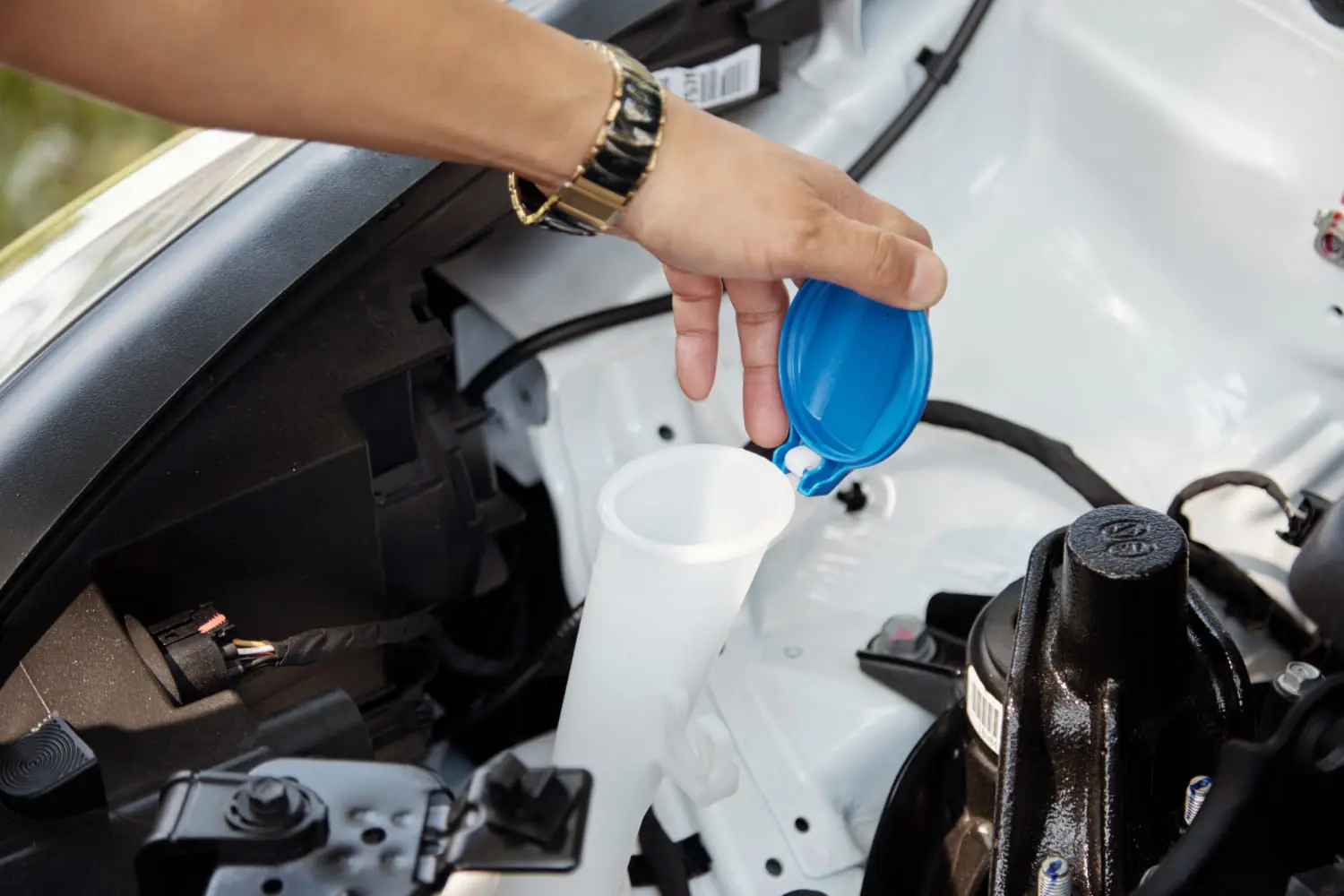
Your car's engine gets very hot when it runs. Without something to carry that heat away, it would overheat and get badly damaged in just a few minutes. That is the job of radiator coolant. But coolant does not last forever, and this leads to a question many drivers ask: how often should you flush radiator coolant?
Some people say every year. Others say every 30,000 miles. Some mechanics say modern cars can go almost 10 years without a coolant change. With so much mixed advice, it is easy to get confused. It is also easy to forget about coolant completely until something goes wrong on the road.
The truth is that there is no single number that fits every car. The right schedule depends on the type of coolant in your engine, how old your car is, and how and where you drive. A car that sits in city traffic in 45°C summer heat does not live the same life as a car that cruises on cool, open highways.
In this guide, we will explain what coolant does, how long each coolant type lasts, the signs that tell you a flush is due, and what a flush usually costs. By the end, you will know exactly when your own car needs one.
What Radiator Coolant Does and Why It Wears Out
Coolant, also called antifreeze, is a mix of glycol and water, usually in a 50/50 ratio. It flows through small passages inside the engine, picks up heat, and carries it to the radiator. Air passing through the radiator cools the liquid down, and then it goes back to the engine to do the job again. This loop runs every second your engine is on.
The Real Job of Coolant
Most people think coolant only stops overheating. In fact, it does three important jobs:
- It keeps the engine at the right working temperature, not too hot and not too cold.
- It stops the liquid from freezing in winter and boiling over in summer.
- It protects the metal parts inside the engine, radiator, and water pump from rust and corrosion.
That third job is the one most drivers forget, and it is the main reason coolant needs to be changed.
Why Old Coolant Becomes Harmful
Coolant contains special additives called corrosion inhibitors. These protect aluminum, iron, copper, and rubber parts. Every time the engine heats up and cools down, these additives get used up a little more. After a few years, very little protection is left.
When that happens, the coolant can turn acidic. Instead of protecting the cooling system, it slowly attacks it. Rust and scale begin to form. Small bits of dirt and sludge float around and settle in the thin tubes of the radiator, which blocks the flow. The water pump seal can wear out, and hoses can soften from the inside.
The tricky part is that old coolant can still look fine and still sit at the right level in the tank. Your temperature gauge may stay normal for months. The damage happens quietly, which is why a regular coolant flush matters even when nothing seems wrong.
How Often to Flush Radiator Coolant by Coolant Type
The biggest factor in your coolant flush interval is the type of coolant your car uses. There are three main families, and each one lasts a very different amount of time. Here is a quick summary before we explain each one:
- IAT (traditional): usually bright green, changed every 2 years or 30,000 miles (about 48,000 km).
- OAT (long life): usually orange, red, dark green, or blue; changed every 5 years or 150,000 miles (about 240,000 km).
- HOAT (hybrid): usually yellow, pink, or turquoise, changed every 5 years or 100,000 miles (about 160,000 km).
These are typical numbers. Your owner's manual always has the final say for your car.
Green IAT Coolant
IAT stands for Inorganic Additive Technology. This is the old-style bright green coolant that was used in most cars for decades. It works well, but its protective additives run out fast. Most experts recommend changing it every 2 years or 30,000 miles, whichever comes first. If you leave it longer, it can turn acidic and start eating away at metal parts. Many older cars, especially those built before the late 1990s, still use this type.
OAT Long Life Coolant
OAT means Organic Acid Technology. It is often sold as "long life" or "extended life" coolant and usually comes in orange, red, or pink, though some brands make it blue or dark green. Its additives wear out much more slowly, so it can last up to 5 years or 150,000 miles in many passenger cars. Some Japanese makers use their own long-life coolants with very long first intervals. For example, many Toyota and Honda models call for the first change at around 10 years or 100,000 miles or more, then shorter intervals after that.
HOAT Hybrid Coolant
HOAT is Hybrid Organic Acid Technology. As the name suggests, it mixes the strengths of IAT and OAT. You will find it in many European cars and plenty of American and Asian models too. It is usually yellow, pink, or turquoise. Most HOAT coolants last about 5 years or 100,000 miles.
One important warning: never mix different coolant types. Mixing can cause the liquid to turn into a thick gel that blocks passages and causes overheating. If you are not sure what is in your car, a full flush is the safe way to switch.
The "Whichever Comes First" Rule
Every coolant interval has two limits: time and distance. You should flush the coolant when you reach either one, whichever comes first.
This catches many people out. Say you drive only 5,000 miles a year and your manual says 5 years or 100,000 miles. You will not get near 100,000 miles, but after 5 years the additives are still worn out. Coolant ages with time, not just with driving, so a low-mileage car still needs a flush on schedule.
When You Should Flush Sooner Than the Manual Says
The numbers in your owner's manual are usually based on normal driving. But many of us do not drive in normal conditions. Most manuals also include a "severe service" schedule, and if your driving matches it, you should flush your coolant earlier.
Hot Weather and Stop-and-Go Traffic
Heat is the biggest enemy of coolant. If you live in a place where summer temperatures often pass 40°C, your cooling system works much harder than it would in a mild climate. The coolant stays hot for longer, and its additives break down faster.
City driving adds to the problem. In heavy traffic, your car moves slowly or sits still, so less air flows through the radiator. The fan has to do most of the work, and the engine runs hot for long periods. Taxis, delivery vans, and ride-share cars face this every day. For these cars, it is smart to check coolant every few months and flush it a little earlier than the manual suggests.
Towing and Heavy Loads
Pulling a trailer, carrying heavy cargo, or climbing steep hills all make the engine work harder and produce more heat. That extra heat puts more stress on the coolant. If you tow often or drive a fully loaded pickup or SUV, follow the severe service interval in your manual. If your manual does not list one, many mechanics suggest cutting the normal interval by about a third.
Older Cars and Past Overheating
As a car ages, its cooling system collects more rust, scale, and wear. Older radiators and water pumps are less forgiving, so fresh coolant becomes even more important. If your car has more than 100,000 miles on it, a flush every 2 to 3 years is a sensible habit, no matter the coolant type.
You should also flush the system after any overheating event. When an engine overheats, the coolant can break down quickly, and small bits of damaged material may enter the system. The same goes for any time you replace the radiator, water pump, thermostat or a head gasket. A fresh start protects your new parts.
Signs, Checks and Costs of a Radiator Flush
A schedule is helpful, but your car will also give you clues. Learning to spot them can save you from a breakdown and a big repair bill.
Warning Signs Your Radiator Needs a Flush
Book a coolant flush soon if you notice any of these signs:
- Dirty or rusty coolant. Fresh coolant is bright and clear. If it looks brown, muddy, or cloudy, it is time.
- Floating bits or sludge. Flakes or an oily film in the tank mean the system is dirty inside.
- Temperature gauge running high. If the needle sits higher than usual, coolant may not be flowing well.
- Sweet smell. Coolant has a sweet smell. Noticing it inside or around the car can point to a leak or burning coolant.
- Weak heater. If your heater blows cool air in winter, blocked passages may be the cause.
- Puddles under the car. Green, orange, or pink drops on the ground mean a leak that needs checking.
A Simple 5 Minute Coolant Check
You do not need to be a mechanic to check your coolant. Do it once a month:
- Park on flat ground and wait until the engine is fully cold. Never open a hot radiator cap, as the liquid inside is under pressure and can burn you.
- Find the plastic coolant tank. It has "MIN" and "MAX" marks on the side.
- Check that the level sits between the two marks.
- Look at the color. It should be bright and see-through, with no rust or floating bits.
- If the level keeps dropping, have the system checked for leaks.
Flush vs Drain and Fill
These two services sound alike but are not the same. A drain and fill simply opens the drain valve and lets the old coolant run out, then adds new coolant. It is quick and cheap, but it often removes only about half of the old liquid, because the rest stays in the engine block and heater core.
A flush goes further. The shop pushes cleaning fluid or water through the whole system to remove old coolant, rust, and sludge, then refills it with fresh coolant. For a dirty system or a switch between coolant types, a full flush is the better choice.
How Much Does a Coolant Flush Cost?
In the US and Canada, a professional coolant flush usually costs between $100 and $200, including coolant and labor. Prices change by car model and location. That may sound like a lot, but replacing a radiator or water pump can cost several hundred dollars, and a damaged engine costs thousands. If you do it yourself, you will spend much less, but you must dispose of old coolant safely, as it is poisonous to people and pets.
Conclusion
So, how often should you really flush your radiator coolant? For most cars, the answer is every 2 years or 30,000 miles for old green IAT coolant, and about every 5 years or 100,000 to 150,000 miles for modern OAT and HOAT coolants. Always follow whichever limit comes first, and always check your owner's manual for your exact car.
If you drive in hot weather, sit in heavy traffic, tow trailers, or own an older car, flush a little sooner. Check your coolant once a month, watch for warning signs, and never mix coolant types. A coolant flush is one of the cheapest ways to protect your engine and avoid a costly breakdown.
Continue reading
More from Maintenance & Tips


Written by Maarukh Shahbaz
Published Oct 6, 2026 in Maintenance & Tips.



