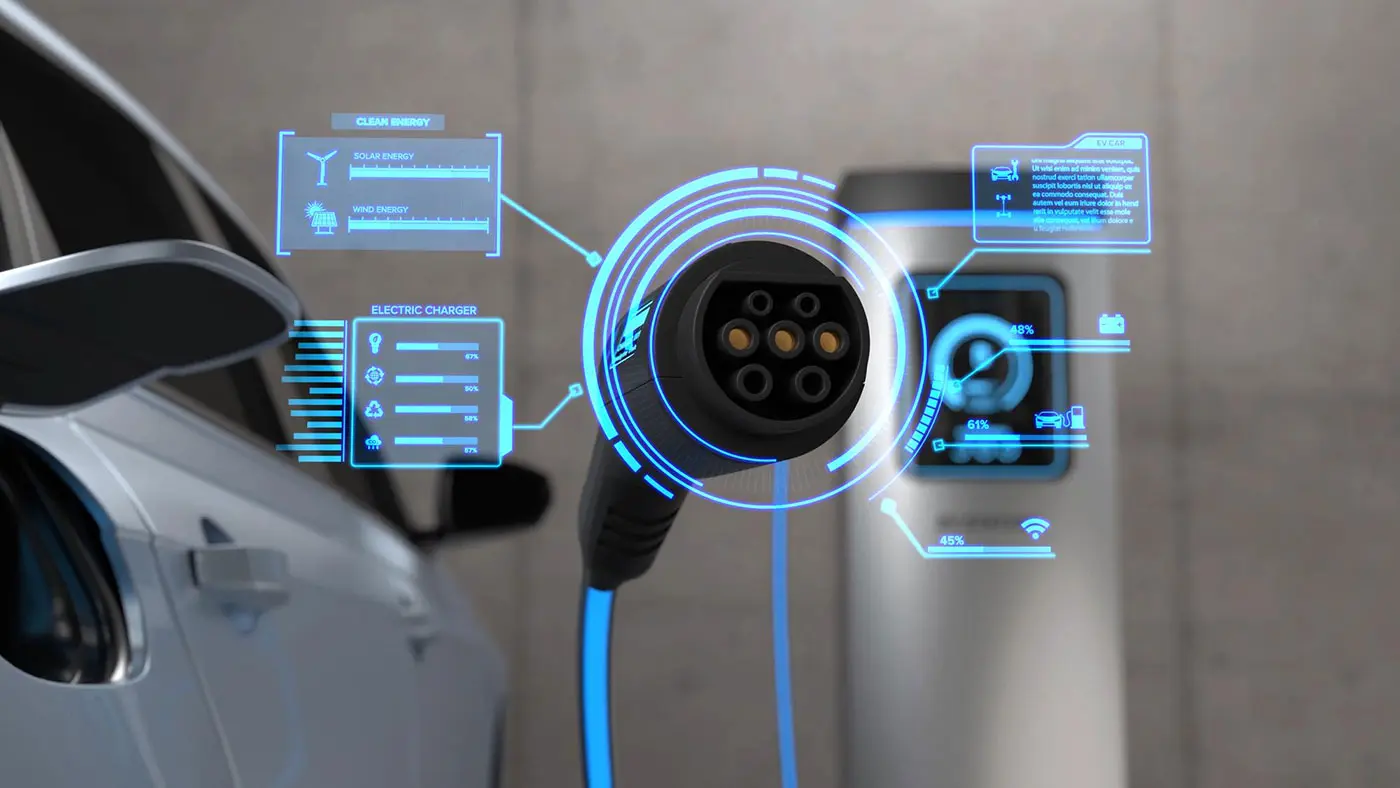
The year 2026 marks a pivotal moment in the electric vehicle revolution. We have moved past the era of "range anxiety" and into the era of "efficiency optimization." With the average new EV now frequently pushing toward the 350-to-400-mile mark, the conversation has shifted. It is no longer just about whether you can make it to your destination; it is about how much of that original capacity you can retain over the next decade. If you are driving a 2026 model, you are likely sitting on a sophisticated piece of chemistry—ranging from high-nickel NMC (Nickel Manganese Cobalt) cells to the increasingly popular and durable LFP (Lithium Iron Phosphate) packs.
Maintaining an EV battery in 2026 is vastly different from maintaining an internal combustion engine. There are no oil filters to change or spark plugs to gap. Instead, your "maintenance" is digital, behavioral, and chemical. The health of your battery is the single most important factor in determining the long-term value of your vehicle. A well-cared-for pack doesn't just give you more miles on a Tuesday morning commute; it ensures that five years from now, your car remains a high-performing asset rather than a degraded liability.
In this guide, we are going to dive deep into the specific strategies required for the latest generation of EVs. We will look at how the 800V charging architectures—now standard in many mid-range and luxury models—change the way we think about heat and degradation. We’ll also explore how the integration of AI-driven Battery Management Systems (BMS) allows you to be more hands-off while still achieving record-breaking efficiency. Whether you are a first-time EV owner or a seasoned veteran moving into your third electric car, these 2026-specific protocols will help you squeeze every possible kilowatt-hour out of your investment.
The Golden Rule of Charging (The 80/20 Standard)
In 2026, the chemistry under your floorboards is more resilient than ever, but the laws of physics haven't changed. Whether you are driving a long-range cruiser or a compact city EV, the most effective way to preserve your battery’s lifespan is staying within the "Goldilocks Zone"—typically between 20% and 80% state of charge (SoC).
Batteries are a lot like rubber bands; they don't like being stretched to their absolute limits. Keeping a battery at 100% for long periods creates "voltage stress," which accelerates the chemical breakdown of the cells. Conversely, letting it dip below 20% too often can lead to internal resistance issues. For the average daily commute, charging to 80% provides more than enough range while keeping the ions in a relaxed state.
However, 2026 has brought a shift in how we apply this rule, specifically with LFP (Lithium Iron Phosphate) batteries. If your 2026 model uses LFP tech (common in many standard-range models today), these packs are actually much happier being charged to 100% once a week to help the Battery Management System (BMS) stay calibrated.
Tips for Mastering the 80/20 Rule:
-
Set it and Forget it: Use your car’s infotainment screen or mobile app to set a "Daily Charge Limit" at 80%.
-
Time Your Full Charges: If you need 100% for a long road trip, use your departure timer so the car hits 100% right before you pull out of the driveway, rather than sitting at full capacity overnight.
-
Listen to the AI: Most 2026 EVs now feature "Predictive Charging," which analyzes your calendar and suggests the optimal charge level for the day ahead.
Mastering Temperature Management
In 2026, we have learned that an EV battery is very much like a human being: it performs best when it isn't too hot or too cold. While the high-density packs in 2026 models are designed with better thermal buffers, extreme temperatures remain the leading cause of temporary range loss and long-term degradation. According to the 2026 ADAC Winter Stress Test, some popular EVs can lose up to 50% of their advertised range when temperatures drop below freezing. This isn't just about the battery "dying"; it’s about the energy required to keep the cabin warm and the chemical ions moving.
The secret weapon for every 2026 EV owner is Preconditioning. This feature allows you to use grid power (while plugged in at home) to bring the battery to its "Goldilocks Zone"—typically between 15°C and 35°C (60°F–95°F)—before you even start your commute. By warming the battery via your car's app, you ensure that the regenerative braking works instantly and the battery doesn't have to waste its own stored energy just to warm itself up while you're driving.
Advanced Thermal Strategies for 2026:
-
The "Thermal Sink" Technique: If you are heading to a 600kW ultra-fast charger, use your in-car navigation to select the charging station. In 2026, smart systems like those in the latest BMWs and Teslas will perform a "thermal drawdown," pre-cooling the battery to about 18°C. This creates a "heat sink" that allows the battery to absorb the massive influx of energy without overheating.
-
Heat Pump Efficiency: Ensure your 2026 EV is equipped with a modern heat pump. These systems are now 3-4 times more efficient than traditional resistive heaters, scavenging waste heat from the motors and AI computers to keep you warm without tanking your range.
-
Shelter Matters: Even in 2026, a simple garage can be the difference between a 5% and 15% range drop. Keeping the car out of the direct 110°F summer sun or the sub-zero winter wind significantly reduces the "vampire drain" caused by the car's active cooling and heating systems.
Fast Charging vs. Slow Charging in the 800V Era
By 2026, 800-volt battery architecture has become the standard for almost all mid-range and premium EVs. This technology allows for mind-blowing speeds—adding 200 miles of range in just 10 to 15 minutes at a 350kW+ charger. However, just because your car can drink from a firehose doesn't mean it should do so every day. High-speed DC charging generates significant internal heat, which, over hundreds of cycles, can lead to "lithium plating" and a permanent loss of capacity.
Think of DC fast charging like a high-intensity workout for your battery. It's great when you're on a road trip across the country, but your battery needs "rest" too. The gold standard for longevity remains Level 2 (AC) charging, typically found in home wall boxes or workplace chargers. AC charging is a "slow-cooked meal" for your cells; it’s gentle, generates almost no heat, and allows the onboard electronics to perfectly balance the voltage across every individual cell in the pack.
How to Balance Speed and Health in 2026:
-
The 80% Taper: You’ve probably noticed that charging slows down significantly after 80%. In 2026, many public chargers now implement "congestion fees" for those staying past 80%. This isn't just about turnover; it's because those last 20% of "top-off" miles are the most taxing on the battery chemistry.
-
Cooling Down: After a long highway stint at 75 mph, your battery is already warm. If you immediately plug into a 350kW charger, the thermal management system has to work overtime. If possible, give the car 5–10 minutes to "breathe" before plugging in, or let the car's navigation handle the thermal prep.
-
Use Public Charging Sparingly: Statistics from 2025 show that EVs primarily charged at home retain about 2-3% more capacity over three years compared to those exclusively "supercharged."
Driving Habits for Maximum Range
In 2026, the technology inside your EV does a lot of the heavy lifting, but the person behind the wheel still holds the key to record-breaking efficiency. Think of driving an EV not as "managing fuel," but as "managing momentum." Every time you touch the friction brakes, you are essentially throwing away kinetic energy as heat. To maximize your range in 2026, you need to master the art of the "Speed Slider."
The Power of One-Pedal Driving By now, most 2026 models from manufacturers like Hyundai, Tesla, and Rivian have perfected One-Pedal Driving. When you lift your foot off the accelerator, the electric motor reverses its role, acting as a generator to slow the car down while pumping electricity back into the battery.
- The Pro Tip: Don't treat the pedal like an on/off switch. In 2026, regenerative braking is more aggressive. Learn to "feather" the pedal so the car glides to a stop exactly at the white line. Research shows that consistent one-pedal use can reclaim up to 5-8% of your total energy over a single trip.
AI-Driven "Eco-Routing" The navigation systems of 2026 are light-years ahead of the simple GPS of the past. Your car now looks at real-time traffic, elevation changes, and even wind speed.
- The Habit: Always plug your destination into the car’s native navigation, even if you know the way. Why? Because the AI Efficiency Coach will adjust the battery's output based on the terrain ahead. If there's a steep climb coming up, the car will manage power consumption in the miles leading up to it to ensure you have the highest efficiency possible.
Aerodynamics and the "Drag" Factor At highway speeds (above 60 mph), air resistance becomes your battery's biggest enemy.
- Wheel Aero: Many 2026 EVs come with "Aero Covers" for the wheels. While some drivers remove them for looks, keeping them on can add 10 to 15 miles of range on a long trip by smoothing out the turbulent air around the wheel wells.
- The "Rack" Tax: If you aren't using that roof rack or bike carrier, take it off. A 2026 study found that an empty roof rack can decrease EV efficiency by as much as 12% at highway speeds due to the disrupted airflow.
New Tech for 2026: V2G and Solid-State Insights
As we move through 2026, two major technological shifts are changing how we interact with our cars: Vehicle-to-Grid (V2G) and the early arrival of Solid-State batteries. These aren't just buzzwords anymore; they are active features and near-future realities that require a new set of maintenance mentalities.
The V2G Dilemma: Making Money vs. Battery Wear In 2026, bidirectional charging has turned your EV into a "mobile power bank." Many utility companies now pay you to feed electricity back into the grid during peak evening hours. While this can offset your car payment, it does come with a catch: extra cycles. Every time your car discharges into the grid, it's essentially "driving" miles without leaving the garage.
- The Maintenance Fix: If you participate in V2G programs, use your app's "Health Guard" settings. Research from early 2026 suggests that limiting V2G discharge to a shallow 10-15% window (e.g., only letting the grid take you from 80% down to 65%) minimizes the "cyclic aging" rate. Modern 2026 AI managers can now calculate if the revenue from the grid is worth the tiny fraction of battery degradation it causes—trust the data, but set your limits.
Solid-State Batteries: The 2027 Transition While the majority of 2026 EVs still run on refined Lithium-ion or LFP packs, the first wave of Solid-State equipped vehicles (like the specialized "Jet Edition" supercars and high-end luxury cruisers) has officially hit the road. These batteries replace flammable liquid electrolytes with solid ceramics or polymers.
- Maintenance Shift: Solid-state batteries are much more "rugged." They can handle ultra-fast charging (0-80% in under 10 minutes) with significantly less heat damage than traditional batteries. However, they are still sensitive to extreme "storage stress." Even with next-gen tech, keeping the car parked at 100% in a hot driveway for a month is still the fastest way to kill a cell.
- The "Zero-Lithium" Future: Keep an eye on your coolant levels. Even though the battery is "solid," the high-power inverters and motors in 2026 EVs still require advanced liquid cooling to handle the massive energy throughput.
Conclusion
As we navigate the landscape of 2026, it is clear that electric vehicle ownership has matured. The high-performance batteries of today—whether they are high-density NMC, durable LFP, or the emerging solid-state variants—are engineering marvels designed to outlast the vehicle itself. However, as we have explored, the longevity of these systems isn't just up to the manufacturer; it is a partnership between the machine's AI and your daily habits.
By embracing the 80/20 charging rule, mastering preconditioning, and being mindful of the heat generated by ultra-fast 800V charging, you aren't just saving a few miles of range for tomorrow. You are protecting the residual value of your car and ensuring that the "heart" of your EV remains healthy for the next 200,000 miles. In 2026, a "healthy battery certificate" is the most valuable document you can have when it comes time to trade in or sell your vehicle.
The shift toward V2G technology and AI-driven eco-routing has made it easier than ever to be an efficient driver without having to be a technical expert. The car is smarter, the grid is greener, and the charging infrastructure is faster than we ever imagined a decade ago.
Ultimately, EV battery maintenance in 2026 is about a "Health First" mindset. It’s about understanding that while your car is a tool for mobility, its battery is a living chemical ecosystem. Treat it with a little bit of respect, stay within its thermal and voltage comfort zones, and it will reward you with peak performance for years to come. Welcome to the future of driving—where efficiency is the ultimate luxury.


Written by Kousar Shabbir
Published Apr 29, 2026 in Maintenance & Tips.