
The traditional American dream used to include a white picket fence and a shiny new sedan sitting in the driveway. For decades, vehicle ownership was viewed as an undeniable milestone of adulthood, financial stability, and personal freedom. You saved up for a down payment, signed a grueling five-to-seven-year auto loan, and accepted the fact that your hard-earned asset would lose thousands of dollars in value the moment you drove it off the dealership lot. But as we navigate 2026, that century-old automotive paradigm is crumbling. The modern driveway is undergoes a profound transformation, shifting rapidly from a culture of prideful ownership to one of smart, frictionless usership. Buying a new car in 2026 is no longer just a steep financial commitment; for a growing number of consumers, it is becoming a massive financial liability.
Several macroeconomic factors have collided to make traditional car buying incredibly risky right now. Rapid technological inflation, volatile supply chains, and the dizzying pace of electric vehicle (EV) evolution mean that a car purchased today will likely feel obsolete within twenty-four months. Consumers are finding themselves locked into long-term high-interest contracts for technology that is aging like a smartphone rather than depreciating like a classic mechanical vehicle. At the exact same time, a superior alternative has matured to take its place.
Vehicle-as-a-Service (VaaS). Car subscription models have officially stepped out of their niche trial phases to completely redefine how we access mobility. Instead of dealing with dealerships, securing auto financing, or worrying about unpredictable maintenance overheads, drivers are opting for all-inclusive, app-driven monthly subscriptions. It is the ultimate evolution of the subscription economy—bringing the seamless flexibility of Netflix or Spotify directly to your garage.
The Hidden Costs of Traditional Car Ownership in 2026
If you bought a car a decade ago, your math was simple: calculate the monthly loan payment, estimate your fuel costs, add a buffer for insurance, and call it a day. In 2026, that basic equation is completely broken. The true total cost of ownership (TCO) has ballooned due to structural changes in the automotive market, turning the family car into a financial black hole.
The Brutal Reality of 2026 Depreciation
Skyrocketing Premiums and Specialized Maintenance
Beyond the loss in vehicle value, the day-to-day operational costs of holding a vehicle title have reached record highs.
-
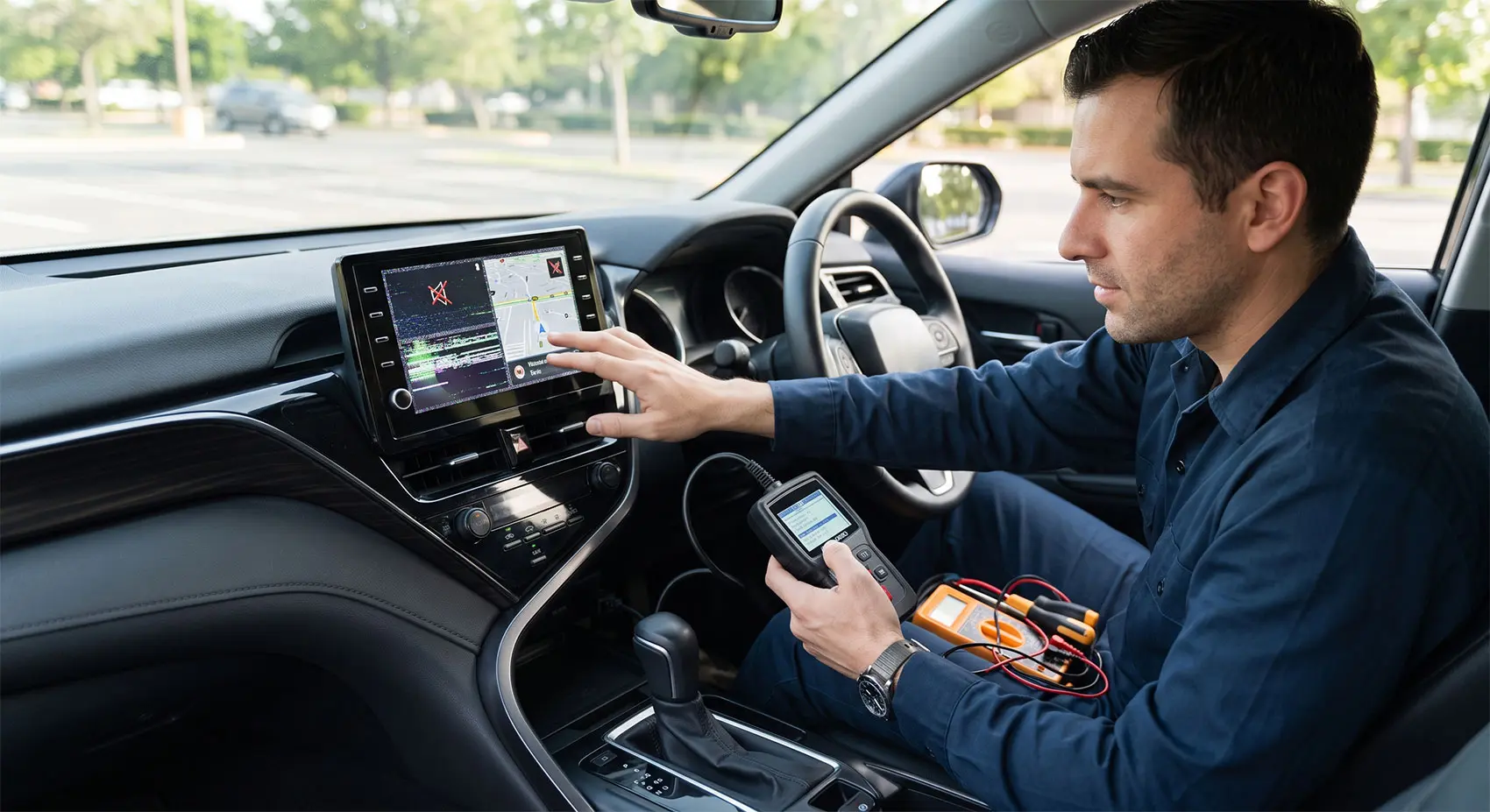
Insurance Costs: Insurance premiums have jumped significantly over the last few years. Because modern cars are packed with complex radar arrays, lidar sensors, and camera systems embedded directly into the bumpers and windshields, even a minor fender bender is no longer a simple body shop fix. Recalibrating those advanced safety systems requires specialized equipment, driving up basic repair bills and forcing insurance companies to raise premiums across the board.
-
The Maintenance Reality: If something breaks out of warranty, you aren't just paying for mechanical labor; you are paying for high-end software diagnostics and proprietary components. A single electrical fault or battery cell degradation issue can instantly result in a bill worth thousands of dollars.
The Financial and Psychological Weight of Long-Term Loans
To make vehicles seemingly affordable against rising retail prices, dealerships routinely push car buyers into 72-month or even 84-month auto loans. Six to seven years is an eternity to be locked into a rigid financial obligation.
The Debt Trap: Taking out a long-term loan means you will likely spend the first three to four years of the contract completely "underwater"—owing significantly more on your auto loan than the physical vehicle is actually worth on the open market.
This leaves you completely stuck if your lifestyle changes. If you lose your remote work status and need to commute, change cities, or have a child, you cannot easily exit the vehicle without taking a massive financial hit to clear the negative equity. The psychological stress of carrying a fixed, high-interest debt asset that actively drains your wealth month after month is exactly why consumer sentiment is turning away from physical ownership entirely.
What is Vehicle-as-a-Service (VaaS)?
To understand why the automotive landscape is shifting so dramatically, we have to look closely at what Vehicle-as-a-Service (VaaS) actually delivers. At its core, VaaS strips away the clunky, archaic administrative hurdles of car ownership and replaces them with a streamlined, utility-based subscription model. You are no longer buying a physical piece of property that you must manage, protect, and maintain; instead, you are subscribing to a guaranteed stream of personal mobility.
Defining the All-Inclusive Subscription
Unlike a traditional lease—which is essentially just a structured, long-term financing vehicle designed to cover a car's depreciation over a rigid timeline—VaaS treats a vehicle exactly like software. You pay a single flat monthly fee, and the subscription provider handles everything else required to legally and safely keep that car on the road.
When you sign up for a premium VaaS plan, your monthly bill automatically bundles:
-
Comprehensive Insurance: No more shopping around for separate auto insurance quotes or dealing with sudden premium spikes. The commercial-grade policy is built right into your subscription tier.
-
Routine & Routine Maintenance: Oil changes, brake pad replacements, tire rotations, and even wiper blade swaps are completely covered. If a warning light flashes on the dashboard, you don't call a mechanic—you call your VaaS provider.
-
Registration and Taxes: Annual DMV registration fees, municipal taxes, and state inspections are handled entirely behind the scenes by the fleet management company.
-
24/7 Roadside Assistance: Flat tires, minor battery drains, or emergency towing needs are backed by a round-the-clock dispatch network integrated into the platform.
For the end user, this turns a highly volatile, unpredictable monthly expense into a perfectly predictable line item on a budget spreadsheet. You know exactly what your transport costs will be down to the penny, with zero risk of an unexpected $1,200 repair bill disrupting your finances.
App-Driven Management and Fleet Swapping
The true magic of Vehicle-as-a-Service lies in its digital-first, smartphone-centric infrastructure. The entire relationship with your car is mediated through a single, polished mobile application.
Imagine waking up on a Friday morning and realizing you have a weekend camping trip planned up in the mountains. Your current vehicle is a compact, highly efficient electric sedan that is perfect for zipped urban commuting, but lacks the ground clearance and cargo capacity for rugged trails. Under traditional ownership, you would either have to subject your sedan to punishing road conditions or spend extra money renting an expensive SUV from a commercial car rental agency.
With an advanced VaaS tier, you open your application, browse the available local fleet, and request a swap. By afternoon, a mid-size rugged SUV is delivered directly to your doorstep or made available at a nearby micro-hub, and your urban commuter car is whisked away.
Once Monday rolls around and you need to navigate tight city parallel parking spaces again, you can easily schedule a switch back to your nimble electric hatchback. This dynamic vehicle ecosystem ensures you always have the exact tool required for the job without paying for a massive garage of underutilized vehicles.
Why Subscriptions Are Winning the Market This Year
The sudden surge in Vehicle-as-a-Service adoption isn't just about bundling expenses—it is a fundamental cultural realignment regarding how we define freedom and utility. For past generations, freedom meant owning a car outright. In 2026, freedom means never being locked down. Subscriptions are winning because they address the exact pain points that make traditional ownership a massive headache.
Absolute Commitment-Free Flexibility
The primary driver behind the massive growth of VaaS is the absolute elimination of long-term risk. When you buy or lease a car, you are signing up for a long-term relationship. If you take out a 60-month loan, you are financially committed to that specific vehicle for the next five years.
With a modern VaaS subscription, your commitment drops to a simple month-to-month cycle. If you lose your job, decide to relocate across the country, or take an extended three-month sabbatical to travel abroad, you simply open your app, click "Cancel Subscription," and return the car at the end of the billing period.
-
No Early Termination Fees: Traditional leases charge devastating penalties for breaking a contract early. VaaS removes this barrier entirely.
-
Adapting to Life Transitions: If you find out you have a new baby on the way, you don't have to deal with the stressful process of trading in a sports coupe at a dealership loss. You simply upgrade your subscription to an SUV or family van for the next month.
The Ultimate Shield Against Tech Obsolescence
The rapid evolution of electric vehicles (EVs) has created a unique dilemma for car buyers: the fear of buying a technological dead-end. Battery technology is moving at an unprecedented pace. Solid-state batteries, faster charging architectures, and more efficient electric motors are rolling out every single model year.
If you purchase an EV today, you run a very real risk that a massive leap in battery range will make your vehicle look incredibly outdated on the used-car market in just two or three years, absolutely crushing its resale value.
The VaaS Advantage: Subscriptions completely transfer that technology risk away from your personal balance sheet and onto the fleet management company. You get to enjoy the absolute latest in EV technology without worrying about battery degradation or plummeting resale values. When a better model comes out, you just swap into it.
Tailored for the Modern Lifestyle
The modern workforce is highly mobile, remote-capable, and values convenience over everything else. Digital nomads, traveling consultants, and urban professionals don't want to spend their free weekend mornings sitting in a greasy dealership waiting room for a routine oil change or tire rotation. VaaS seamlessly aligns with this on-demand, digital mindset. It transforms car access into a clean utility—like electricity or high-speed internet. You pay for it when you need it, it works flawlessly, and the administrative machinery remains entirely invisible to you.
Financial Showdown: Subscription vs. Buying vs. Leasing
To truly understand why Vehicle-as-a-Service is winning the market in 2026, we have to look past the marketing promises and look directly at the hard math. When people look at a monthly subscription fee, their immediate knee-jerk reaction is often, "But I could buy or lease a car for less than that every month!"
However, that perspective relies on an outdated way of budgeting that completely ignores the hidden cash drains of traditional vehicle management. Let's break down the actual financial engineering behind all three models side-by-side to uncover the true cost of usership.
The Upfront Capital Barrier
The financial divergence between these models starts before you even turn a single key.
-
Buying & Leasing: Traditional routes require a substantial chunk of upfront capital. If you purchase a modern car in 2026, dealerships typically look for a 10% to 20% down payment to keep your monthly loan obligations reasonable. Even with a lease, you are on the hook for "capital reduction fees," first-month payments, security deposits, and administrative bank fees that can easily add up to $3,500 to $5,000 out-of-pocket on day one. This is capital that is immediately stripped out of your investment portfolios or savings accounts and sunk directly into a rapidly depreciating machine.
-
The VaaS Route: A subscription model fundamentally flips this script. There are zero down payments and zero predatory capitalization fees. You typically pay a transparent, modest activation or onboarding fee (often ranging from $200 to $500 to cover secure digital profile verification and initial transport logistics) alongside your first month’s subscription. Your capital stays right where it belongs: in your bank account, working for you, rather than locked up in a steel asset.
The Long-Term Equity Myth vs. True Usership Reality
The oldest argument in the car buyer’s handbook is: "When I buy a car, I am building equity. At the end of the loan, I own a physical asset that I can sell."
While that logic held true when cars were purely mechanical machines that depreciated slowly and predictably, it falls apart entirely under the weight of 2026 vehicle lifecycles.
As we explored in Section 2, the rapid tech iterations of modern EVs and high-end hybrids mean that by the time you finish a 60-month or 72-month auto loan, your "equity" is largely an illusion. You are left holding the title to a vehicle with an outdated software processor, aging battery range, and a heavily compromised market value. Furthermore, the cost to keep that aging vehicle running safely—including out-of-warranty diagnostic bills and battery health management—rapidly eats away at whatever residual trade-in value remains.
Total Cost Breakdown Matrix
When you calculate a true total cost comparison over a typical 24-month timeline, the financial reality becomes incredibly clear. Traditional buyers forget to factor in the compounding costs of annual registration renewals, escalating premium insurance plans, seasonal tire changes, and routine maintenance checkups.
| Cost Component | Traditional Buying (Financed) | Traditional Leasing | VaaS Subscription |
| Down Payment | High (10-20% of MSRP) | Moderate ($3,000 - $5,000) | None ($0 - $500 setup) |
| Monthly Payment | Moderate to High (Loan) | Moderate (Depreciation only) | Higher (All-inclusive utility) |
| Insurance Cost | Out-of-pocket (Variable) | Out-of-pocket (High minimums) | Included in flat fee |
| Maintenance & Repairs | Out-of-pocket (Unpredictable) | Out-of-pocket (Routine exclusions) | Included completely |
| Registration & Taxes | Out-of-pocket (Annual) | Often bundled into lease | Included completely |
| Contract Commitment | 60 - 84 Months | 24 - 36 Months | Month-to-Month (Flexible) |
| Depreciation Risk | 100% Retained by You | Residual value risks at end | Zero Risk to You |
When you sum up every single disparate line item required to keep a financed or leased vehicle running over a two-year period, the "all-inclusive" subscription fee regularly emerges as the more financially efficient, risk-mitigated choice for modern drivers. You are paying strictly for the utility of the miles you drive, with absolutely none of the long-term balance sheet liabilities.
Conclusion
The year 2026 has brought us to a fascinating crossroads in automotive history. For over a century, the act of buying a vehicle, holding its physical title deed, and parking it in a driveway was a foundational rite of passage—a symbol of personal freedom and hard-earned success. But today, the structural engineering of our economy and the blistering pace of technological innovation have completely flipped that script.
When you buy a vehicle in the current market, you aren't just buying transport; you are taking on an aggressive depreciation schedule, volatile insurance rates, and the terrifying financial risk of tech obsolescence. A vehicle that feels state-of-the-art today can feel like an ancient relic within two years as battery densities double and autonomous driving hardware undergoes massive generational shifts.
Vehicle-as-a-Service (VaaS) has matured from a novel, experimental utility into the absolute smartest way to navigate the modern world. By packaging financing, high-end digital insurance, specialized multi-sensor maintenance, annual registration, and 24/7 emergency roadside networks into a single, highly transparent monthly bill, subscriptions have completely freed drivers from the administrative and psychological weight of automotive debt. It replaces a rigid, multi-year financial liability with a flexible, fluid utility managed entirely from a smartphone app.
The future of transportation belongs to usership, not ownership. Why tie down your liquid capital, take on massive five-to-seven-year loans, and stress over unpredictable mechanical or software faults when you can simply subscribe to a premium, evolving fleet? As we move further into 2026, the smart money isn’t going into dealership showrooms—it is going into frictionless mobility.




Written by Habiba Shahbaz
Published Jun 19, 2026 in Buying Guides.