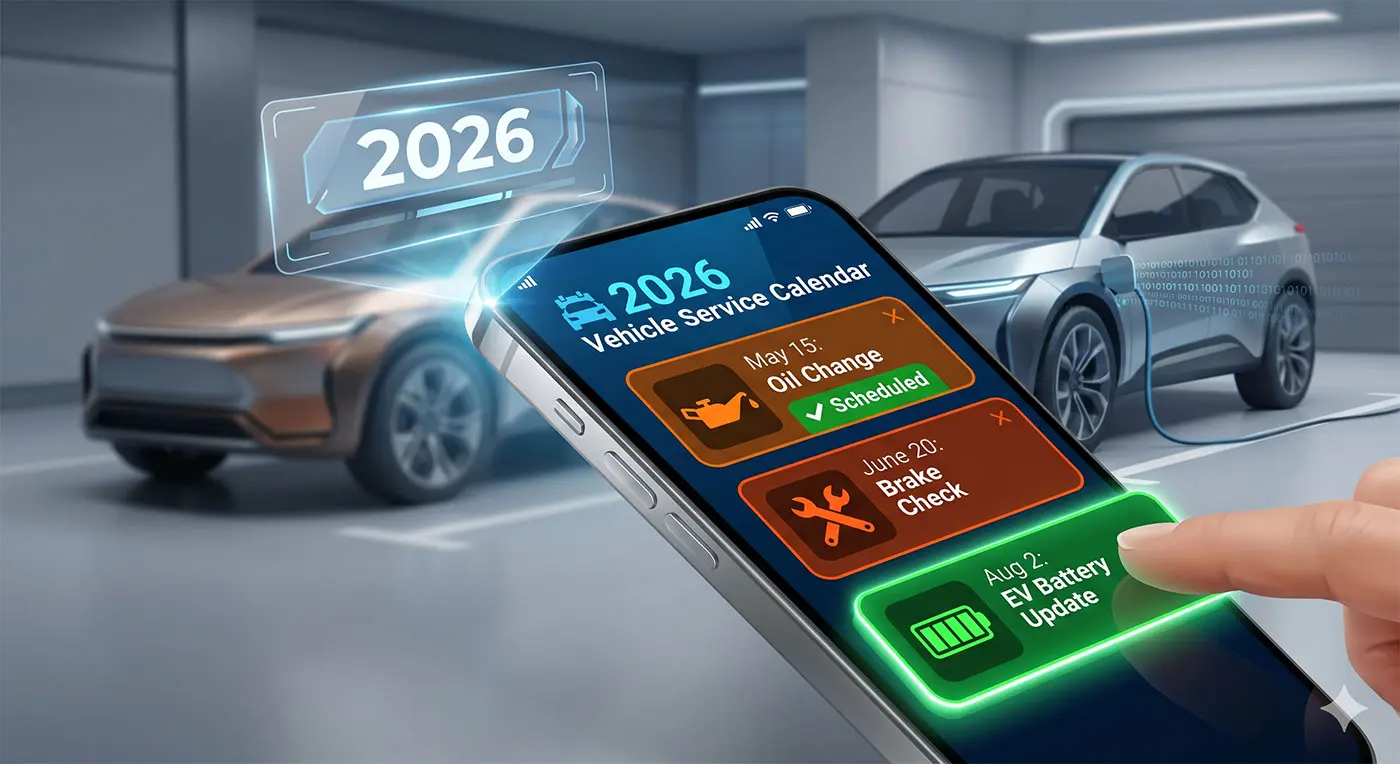
The days of the grease-stained notebook tucked away in the glovebox are officially over. As we navigate through 2026, the way we interact with our vehicles has undergone a radical transformation. It’s no longer just about hearing a strange noise and hoping for the best; it’s about a proactive, data-driven approach to automotive longevity. With the complexity of modern vehicles—ranging from sophisticated hybrid systems to fully electric powertrains—keeping a mental tally of when you last rotated your tires or flushed your coolant is a recipe for expensive repairs. This is where digital maintenance calendars and dedicated mobile applications step in to bridge the gap between human forgetfulness and mechanical precision.
In this fast-paced world, your smartphone has become the ultimate garage companion. Gone are the generic "service every 5,000 miles" stickers on your windshield. Today’s maintenance apps are smarter, syncing directly with your vehicle’s onboard diagnostics to provide real-time updates tailored specifically to your driving habits. Whether you are navigating the stop-and-go traffic of a bustling metropolis or embarking on long-distance cross-country hauls, 2026 technology ensures your service schedule adapts to the actual wear and tear on your components.
Adopting a digital-first mindset for car care isn't just a trend; it's a necessity for protecting one of your most significant investments. A well-maintained vehicle performs better, consumes fuel (or electricity) more efficiently, and—crucially—retains a significantly higher resale value. By utilizing these apps, you are building a "digital pedigree" for your car, proving to future buyers that every mile driven was backed by professional care. In this guide, we will explore how to harness these digital tools to simplify your life, save you money, and keep your 2026 service needs perfectly on track. It’s time to move your garage into the cloud.
The Evolution of Service Tracking: Why 2026 is Different
As we move deeper into 2026, the fundamental nature of what we consider "vehicle maintenance" has shifted. In previous decades, car care was largely reactive—you waited for a light on the dashboard or a strange grinding sound before visiting a mechanic. However, the automotive landscape today is dominated by a complex mix of high-tech internal combustion engines, sophisticated hybrids, and a rapidly growing fleet of electric vehicles (EVs). This technological leap means that the old rulebook of "check the oil every few months" is no longer sufficient.
One of the primary reasons 2026 is a turning point for digital tracking is the sheer volume of data modern cars produce. Today’s vehicles are essentially rolling computers, constantly monitoring everything from battery cell health in hybrids to the particulate levels in exhaust systems. Manual tracking simply cannot keep up with these variables. Digital maintenance apps now integrate directly with these systems, often via cloud-based telematics or simple plug-in OBD-II adapters. This allows the app to know exactly how hard you are pushing your engine or how much regenerative braking your hybrid system is performing, adjusting your service countdown in real-time.
Furthermore, 2026 has seen a global push for sustainability and transparency. Governments and secondary markets are placing a higher premium on "verified" maintenance. A digital calendar doesn't just remind you to go to the shop; it creates an immutable record of your vehicle’s health. In a world where parts are more expensive and specialized, missing a single software update or a cooling system check can lead to catastrophic failure. Digital apps ensure that these nuanced requirements—specific to the 2026 model year's advanced engineering—are never overlooked. We are moving away from "one size fits all" maintenance and into an era of personalized, precision care managed entirely from the palm of your hand.
Top Features to Look for in a Maintenance App
As we settle into 2026, the market is flooded with "smart" automotive tools. However, not all apps are created equal. If you want to truly master your vehicle's health and ensure your digital calendar is an asset rather than a chore, you need to look for specific, high-level features that go beyond simple date reminders. A top-tier maintenance app in 2026 should act as a bridge between your car’s hardware and your personal digital life.
Real-Time Data Integration and OBD-II Support
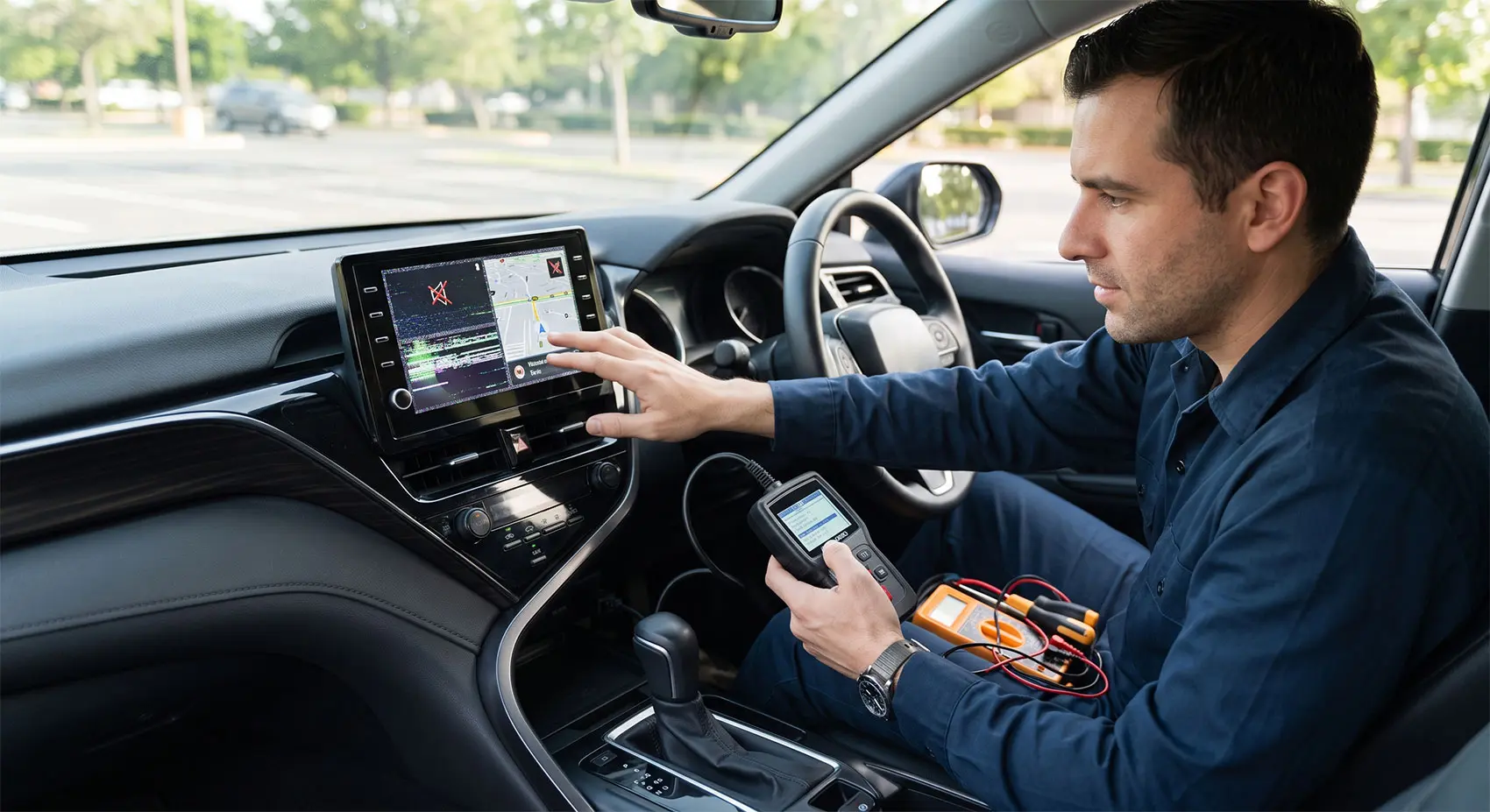
The most critical feature is the ability to "talk" to your car. In 2026, manual entry is the enemy of accuracy. Look for apps that support seamless integration with OBD-II (On-Board Diagnostics) scanners. These small devices plug into your car and send real-time error codes and performance metrics directly to your app via Bluetooth or Wi-Fi. Instead of guessing why a "Check Engine" light is on, the app identifies the specific sensor or component at fault. For 2026 hybrid and EV owners, this includes monitoring battery cell voltage and thermal management systems—data points that are vital for long-term vehicle health but often hidden from the standard dashboard.
Cloud Synchronization and Multi-User Access
Your maintenance data shouldn't be trapped on a single device. A robust app must offer cloud synchronization. This ensures that if you lose your phone, your entire service history isn't lost with it. Furthermore, multi-user access is essential for families or businesses. If you share a car with a spouse or a teenager, everyone should have access to the same live calendar. When one person takes the car for an oil change, the app updates the record for everyone instantly, preventing double-bookings or missed appointments.
Digital Document Vault and "Verifiable" History
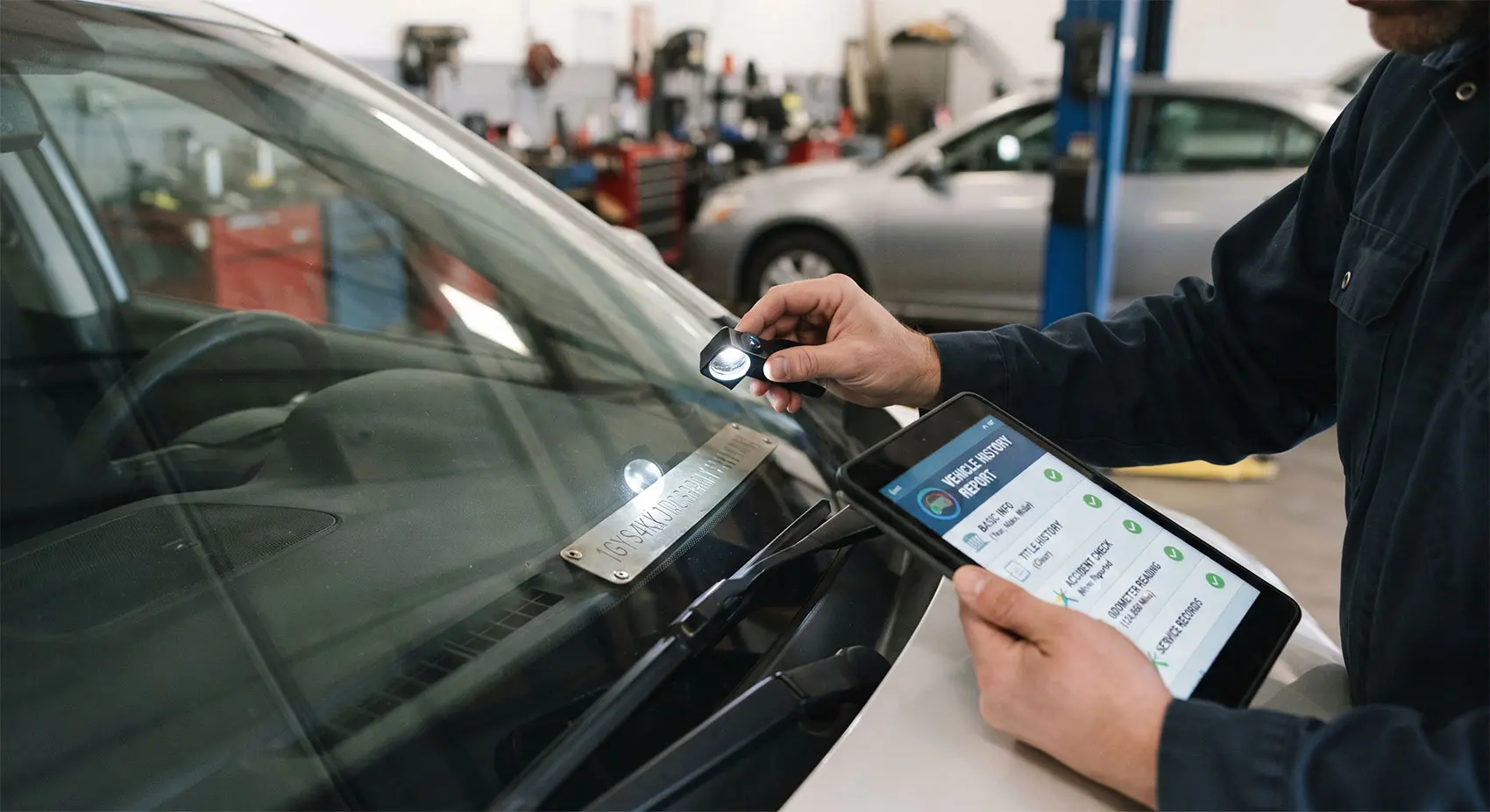
Receipts fade, and paper logs get lost. A modern maintenance app serves as a digital document vault. You should be able to snap a photo of a service invoice or a parts receipt and attach it directly to the specific service entry. In 2026, this feature is evolving into "verifiable history"—some apps now use encrypted logs that dealerships and future buyers can trust as "official" records. This transparency is a massive value-add when it comes time to sell your vehicle.
Top Digital Maintenance Apps for 2026
As we navigate the mid-2020s, the app store is crowded with automotive tools, but only a few have risen to the top by offering the deep integration and user-friendly interfaces required for 2026’s advanced vehicles. Whether you are driving a legacy internal combustion engine (ICE) vehicle or a cutting-edge 2026 hybrid, these apps provide the structure needed to keep your service history impeccable.
1. Drivvo: The Data-Driven Powerhouse
Drivvo remains a favorite for 2026 because of its sheer versatility. It isn't just a service reminder; it is a full financial management tool for your vehicle.
-
Best For: Drivers who want to track every penny, from fuel efficiency to insurance premiums.
-
Key Feature: The app generates detailed charts and reports that show the "cost per kilometer" of your vehicle, making it easy to spot when a car is becoming too expensive to maintain.
-
2026 Update: It now features enhanced syncing for multi-car households, allowing a single account to manage an entire "fleet" of family vehicles seamlessly.
2. CARFAX Car Care: The Industry Standard
If your primary goal is maintaining resale value, CARFAX Car Care is the gold standard. Because it is tied directly to the CARFAX database, many service shops automatically upload your data to the app.
-
Best For: Those who plan to sell their car in the next 2-3 years and want a "Verified" service history.
-
Key Feature: It automatically alerts you to open safety recalls issued by the manufacturer—a vital feature as 2026 models face increasingly complex software updates.
-
2026 Update: Improved digital "glovebox" features allow for instant photo uploads of DIY receipts, which are then categorized by AI to ensure they match the vehicle’s specific service schedule.
3. EV & Hybrid Specific Trackers (e.g., Stats for Tesla / PlugShare)
For the 2026 hybrid and EV owner, traditional oil change apps are irrelevant. Newer, specialized apps focus on "State of Health" (SoH) for the battery.
-
Best For: Owners of electrified powertrains.
-
Key Feature: These apps monitor "phantom drain" and battery degradation over time. Instead of tracking spark plugs, they track thermal management cycles and charging efficiency.
-
Real-World Example: Imagine owning a 2026 Honda Civic Hybrid; these apps will remind you to check the hybrid battery cooling intake filters—a task many traditional mechanics might overlook, but one that is essential for the longevity of the high-voltage system.
How to Set Up Your Digital Calendar for Success
Transitioning to a digital maintenance calendar is more than just downloading an app; it is about building a reliable database that acts as your vehicle’s medical history. If you start with bad data, the app’s reminders will be inaccurate, potentially leading to missed services or redundant work. To get the most out of your digital tracking in 2026, you need a structured setup process that ensures the software understands the unique "life story" of your car.
The Initial Data Dump: Clean Up Your History
The first step is gathering every piece of paper history you have—or pulling records from your email. Most modern apps allow you to input "historical logs." You should record the mileage and date of your last major services: oil change, brake pad replacement, battery test, and tire rotation. For those driving 2026 models with advanced driver-assistance systems (ADAS), ensure you log any sensor calibrations or software updates. This "Day Zero" data allows the app’s algorithms to project your next service window accurately based on your current odometer reading.
Customizing Service Intervals for Your Reality
Manufacturer manuals provide "ideal" service intervals, but 2026 apps allow for much more nuance. You should customize your settings based on your environment. If you live in a dusty climate, drive in extreme heat, or use your vehicle for heavy towing, you should toggle the "Severe Driving Conditions" setting. This will automatically shorten the intervals for air filter changes and fluid flushes. By tailoring the app to your specific geographic and driving reality, you ensure the maintenance calendar is a precision tool rather than a generic suggestion.
Automating the Workflow
To make the system truly seamless, enable push notifications and link the app to your primary digital calendar (like Google Calendar or Outlook). In 2026, many apps also offer "Geo-Fencing" alerts. This means that when you drive near your preferred service center, the app can ping you a reminder if you have an upcoming or overdue task. Setting these automations early removes the mental "load" of car ownership, allowing the technology to do the heavy lifting of remembering.
The Impact on Resale Value: The "Digital Pedigree"
In the 2026 automotive market, the "condition" of a vehicle is no longer judged solely by a quick test drive or a visual inspection of the paintwork. We have entered the era of the Digital Pedigree. Buyers—whether they are private individuals or large dealership networks—are becoming increasingly tech-savvy and risk-averse. They want proof. A digital maintenance calendar provides exactly that: a transparent, unalterable, and comprehensive history of how a vehicle was treated from the moment it left the showroom floor.
Building Trust Through Transparency
When you use a maintenance app, you aren't just remembering to change your filters; you are building a story of "pride of ownership." Imagine two identical 2026 hybrid SUVs for sale. One owner has a stack of crumpled, illegible receipts; the other provides a digital link to a verified log showing every software update, battery health check, and oil change performed on schedule. The latter will always command a higher price. In 2026, transparency equals value. By showing that you addressed even minor issues immediately, you signal to the buyer that the vehicle hasn't been neglected under the hood where it matters most.
The "Verified" Advantage
Many premium apps in 2026 now partner directly with service providers to "verify" entries. This means when a certified mechanic performs a task, it is stamped with a digital signature. This eliminates the "odometer rollback" or "fake service history" scams that plagued the industry for decades. For high-performance vehicles or EVs where battery health is everything, having a digital record that proves the battery was kept within optimal temperature ranges and serviced correctly is worth thousands of dollars. It turns your maintenance routine into a financial investment.
Seamless Handover to the Next Owner
One of the most underrated features of 2026 digital calendars is the "Transfer Ownership" function. When you sell your car, you can digitally "hand over" the maintenance profile to the new owner. This ensures the car’s health journey continues without interruption. It’s a massive selling point—you aren't just selling a machine; you are selling a well-managed system with a clear roadmap for the future. This level of professionalism during a sale often leads to faster transactions and fewer negotiations over the asking price.
Conclusion: Embracing the Digital Garage
As we have explored, the transition to a digital maintenance calendar is no longer a luxury for the tech-obsessed; it is a fundamental shift in how we preserve the life and value of our vehicles in 2026. The complexity of modern automotive engineering—especially with the rise of hybrid and electric powertrains—demands a level of precision that a paper notebook simply cannot provide. By centralizing your service records, automating your reminders, and leveraging real-time diagnostic data, you move from being a reactive owner to a proactive caretaker.
Using these apps creates a ripple effect of benefits. Locally, it ensures your daily commute remains safe and efficient. Financially, it builds a "digital pedigree" that transforms your car into a high-value asset when it comes time to trade in or sell. On a global scale, better-maintained vehicles contribute to a more sustainable world by reducing emissions and extending the lifecycle of manufacturing materials. Taking ten minutes today to set up your digital profile can save you thousands of dollars and hours of stress in the years to come. The tools are in your pocket; it’s time to use them to keep your journey smooth, safe, and fully tracked.

Written by Kousar Shabbir
Published May 1, 2026 in Maintenance & Tips.