
For generations, the math behind buying a car felt relatively straightforward. If you wanted the pristine smell, the untouched odometer, and the bulletproof security of a factory warranty, you paid the steep premium for a brand-new vehicle. If you wanted to avoid the stomach-churning hit of driving off the lot and instantly losing 20% of your asset's value to immediate depreciation, you scoured the classifieds or local dealerships for a used car. But as vehicle prices soared and vehicle technology morphed into rolling supercomputers, a massive middle ground emerged: the Certified Pre-Owned (CPO) vehicle.
Today, car buyers are caught in a classic psychological and financial tug-of-war. On one side stands the traditional used car—frequently cheaper upfront, but carrying the lingering, anxiety-inducing question mark of its mechanical history. On the other side sits the shiny, manufacturer-sanctioned CPO vehicle, promising a rigorous multi-point inspection and extended warranty protection, but demanding a premium that can add thousands to your loan.
As we navigate the 2026 automotive landscape, this decision matrix has shifted yet again. The extreme inventory shortages and erratic pricing spikes of the early 2020s have finally stabilized, meaning the price gap between standard used cars and CPO models is recalibrating. If you are standing on a dealership lot trying to figure out which option preserves your hard-earned cash, you cannot rely on outdated advice. Winning the car-buying game right now requires looking past the window sticker and analyzing the true total cost of ownership (TCO). Let’s look beneath the hood of both options to determine exactly which choice leaves more money in your wallet over the long haul.
Demystifying the Labels (What Are You Actually Paying For?)
When you step onto a dealership lot, the window stickers present a confusing array of terminology designed to sound premium. Words like "Inspected," "Certified," and "Pre-Owned" bounce around the showroom floor. But to protect your budget, you have to look past marketing buzzwords and understand the stark legal and mechanical realities separating standard used vehicles from genuine Certified Pre-Owned models.
1. Standard Used: The Wild West of "As-Is"
A traditional used car is exactly what it sounds like: a vehicle that has had one or more previous owners, being sold in its current condition. The defining characteristic of a standard used car purchase is the phrase "As-Is."
When you sign an as-is bill of sale, the dealership or private seller drops all future responsibility for the vehicle. If you drive a block away and the transmission drops out onto the asphalt, the financial burden rests entirely on your shoulders.
Real-world risk example: Imagine buying a standard used 2019 commuter sedan for $13,000. It looks spotless on the outside, but you pass on hiring an independent mechanic to inspect it. Two weeks later, a hidden head gasket leak manifests. A surprise $2,500 engine repair bill instantly erases the upfront savings you thought you secured by avoiding a CPO model.
2. Certified Pre-Owned (CPO): True OEM vs. Dealer Tricks
A genuine Certified Pre-Owned vehicle offers an explicit safety net, but you have to watch out for a major trap: the distinction between Manufacturer-Backed (OEM) and Dealer-Certified programs.
-
True CPO (OEM): These vehicles are backed directly by the factory (like Honda, Ford, or BMW). They must meet strict eligibility caps—typically remaining under 5 to 6 years old and showing fewer than 60,000 to 80,000 miles on the odometer. Crucially, their extended warranties are honored at any franchise dealership nationwide.
-
Dealer-Certified: This is a localized alternative. Some dealerships label older, high-mileage cars as "certified" under their own house programs. These warranties are usually backed by independent third-party insurance companies rather than the manufacturer, forcing you to bring the car back to that specific dealership network for any covered repairs.
3. The Inspection Mirage: What a "150-Point Inspection" Actually Means
Dealerships love to brag about their extensive multi-point inspection checklists—whether it's a 150, 160, or 172-point evaluation. While it sounds incredibly thorough, you need to understand what this process actually guarantees.
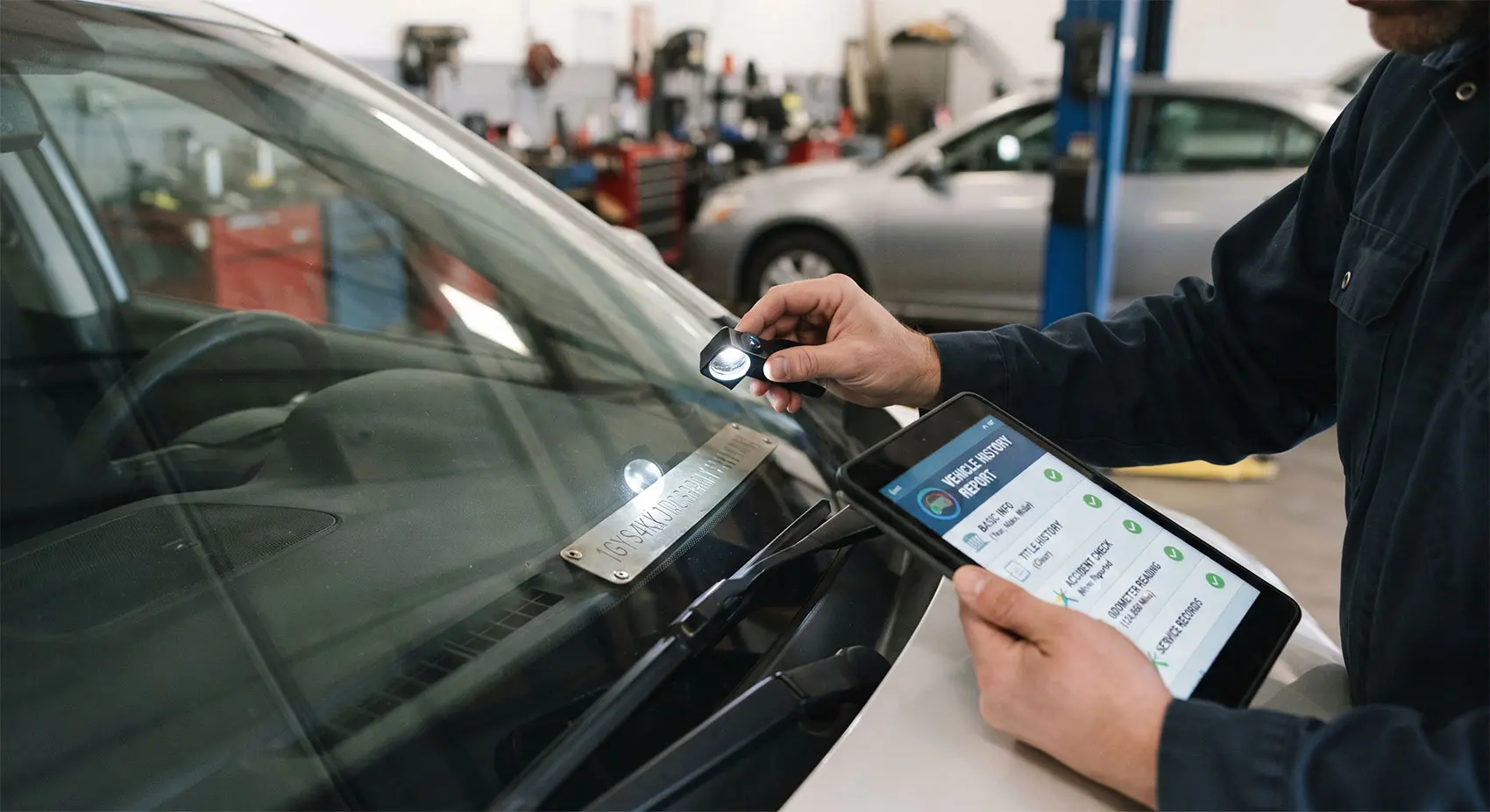
An inspection simply verifies that the car meets basic functional and safety standards at the exact moment it passes through the service bay. It means the brake pads have a certain thickness left, the tires have legal tread depth, and the fluid levels are currently topped off. It does not mean the alternator won't fail next season, nor does it guarantee the vehicle has never been driven aggressively. It ensures immediate compliance, not mechanical immortality.
The Price Gap Analysis (Upfront Costs vs. Total Cost of Ownership)
Understanding the true price gap between a traditional used car and a Certified Pre-Owned (CPO) option requires looking far beyond the initial monthly payment or the number printed on the window sticker. To protect your wallet, you have to look at the macroeconomic forces of asset depreciation and backend financing structures.
1. The Upfront CPO Premium
On average, a true factory-certified CPO vehicle carries a price premium ranging from $1,500 to $4,000 over an identical, non-certified used model of the same year, make, and mileage. Dealerships justify this markup by factoring in the cost of the manufacturer's licensing fees, the detailed labor rates of their service technicians, and the price of genuine OEM parts installed during reconditioning. For a buyer looking strictly at upfront cash flow or maximizing immediate savings, the standard used vehicle wins this initial round effortlessly.
2. The Mechanics of Asset Depreciation
Vehicles are rapidly depreciating assets, losing value the moment they log miles. However, the curve of this loss behaves differently depending on the label:
-
New Cars: Face a massive, steep drop, shedding roughly 20% of their value in the first year alone.
-
CPO Vehicles: Because they are capped at a certain age (often 3 to 5 years old), they have already bypassed that initial devastating drop. However, buying a CPO re-injects an artificial premium into the equation. You are essentially paying a "retail inflation" markup that will vanish entirely the moment you attempt to trade the vehicle back in or sell it on the private market.
-
Standard Used Cars: Let the previous owner swallow the brunt of the financial hit. When you buy standard used, you enter the asset lifecycle right as the depreciation curve starts to flatten out, preserving your equity over time.
3. Financing Incentives and the Interest Rate Equalizer
Where CPO models stage a major financial comeback is inside the dealership's finance office. Because manufacturing brands want to protect the residual values of their fleets, captives (the manufacturer's internal lending arms, like Toyota Financial Services or Ford Credit) frequently offer promotional interest rates (APR) on certified models.




Written by Kousar Shabbir
Published Jun 29, 2026 in Buying Guides.