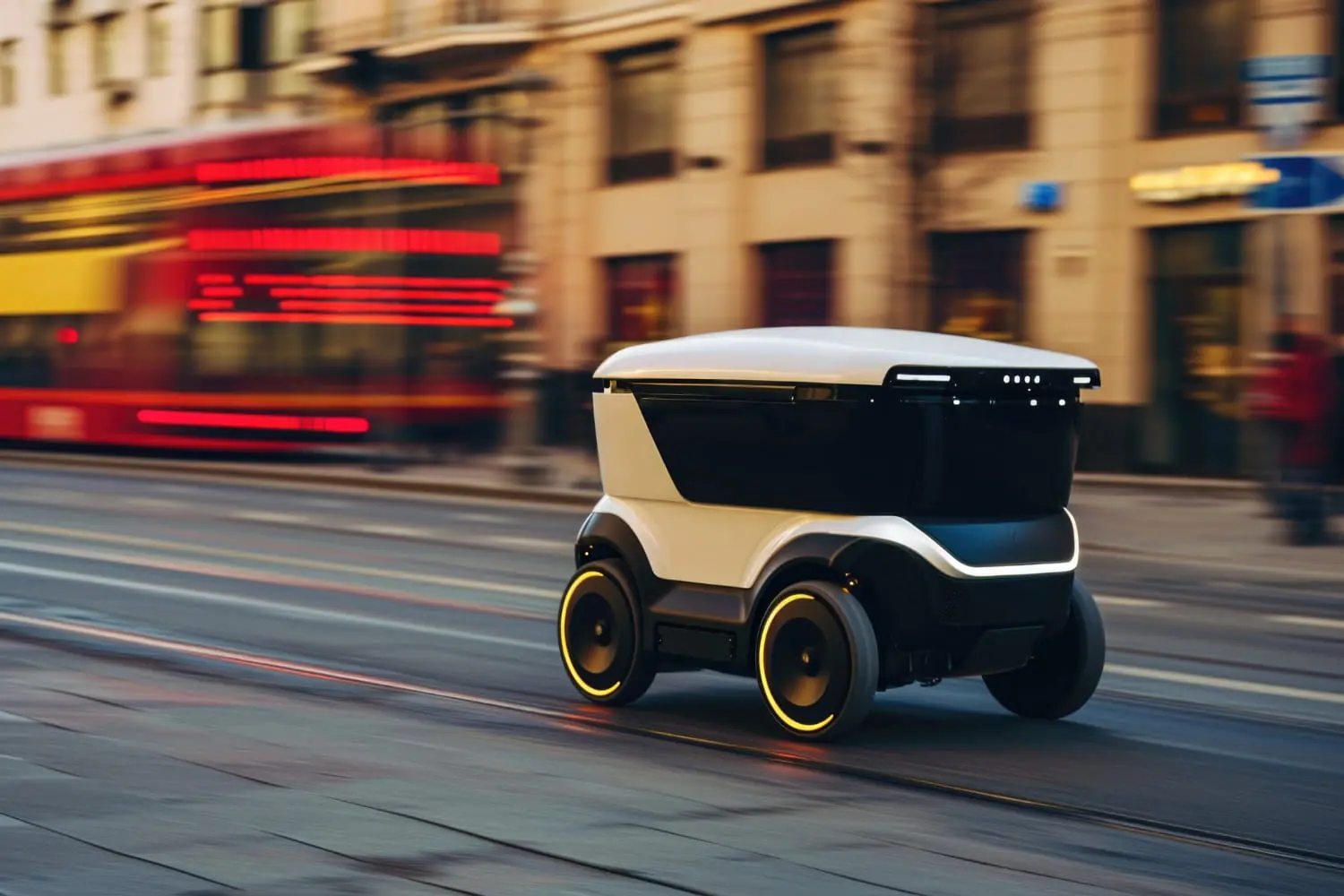
Autonomous robotaxi testing is growing rapidly as technology companies introduce new ways for people to travel without human drivers. These vehicles use artificial intelligence, cameras, sensors, and advanced computer systems to move safely through roads and busy streets. Unlike traditional taxis, robotaxis can pick up passengers, follow traffic rules, and reach destinations without someone controlling the steering wheel. Companies such as Waymo, Tesla, and Zoox are investing heavily in this technology to improve transportation services. Some cities already have driverless taxis carrying paying passengers, while others are preparing for future operations through controlled testing programs. Supporters believe autonomous vehicles could reduce traffic accidents, improve travel convenience, and make transportation easier for people who cannot drive. However, the rapid growth of robotaxis has also created serious questions about passenger safety, technology reliability, and the ability of computer systems to respond to unexpected situations on public roads.
As autonomous robotaxi testing expands, safety reports and public reaction are becoming important parts of the discussion. Government agencies, researchers, and transportation experts are examining how these vehicles perform in real driving conditions. Some recent studies have shown promising safety improvements when autonomous vehicles are compared with human drivers. However, technical problems, unusual vehicle movements, and reported accidents continue to create concerns among passengers and other road users. Public opinion is also divided because many people are curious about experiencing driverless transportation but remain uncomfortable trusting a computer with their safety. Meanwhile, companies continue improving their technology and introducing services in additional locations. Understanding the latest developments, safety findings, and public concerns helps explain how robotaxis could influence the future of transportation. It also shows why careful testing, responsible business decisions, and clear government regulations are necessary before driverless taxis become common in everyday life.
Autonomous Robotaxi Testing Expands Across the World
Major Technology Companies Increase Robotaxi Operations
Autonomous robotaxi testing is moving beyond small research projects and becoming a growing commercial transportation service. Waymo, owned by Alphabet, has become one of the most recognized companies in this industry. Its vehicles already provide driverless passenger rides in several American cities, including Phoenix, San Francisco, and Los Angeles. The company has continued expanding its operations while collecting information about passenger experiences and road safety. In September 2026, Waymo announced plans to expand its services into Denver, San Diego, and Tampa. Amazon-owned Zoox has also increased its testing activities in American cities and introduced paid robotaxi rides in Las Vegas. Its specially designed vehicles provide a different passenger experience because they do not use traditional steering wheels or driving pedals. Tesla is also developing autonomous transportation services using its vehicle technology. These developments show increasing competition among companies seeking to make driverless transportation more practical, affordable, and widely available.
International Expansion Creates New Opportunities
Robotaxi development is also spreading into international markets as governments and businesses explore new transportation options. In October 2026, Waymo announced plans to introduce autonomous ride services in Madrid, Spain, in 2027. The company also announced plans for a future service in Toronto, Canada, demonstrating its interest in expanding beyond the United States. European cities are attracting attention because they offer different traffic conditions, road designs, and transportation needs. Chinese autonomous vehicle companies are also developing robotaxi technology and exploring opportunities outside their domestic markets. However, introducing driverless taxis in a new location involves more than transporting vehicles from one country to another. Companies must study local traffic laws, road signs, pedestrian behavior, and driving habits. Weather conditions can also affect how vehicles operate, especially during heavy rain, fog, or snow. These challenges make careful local testing necessary before autonomous taxis can safely carry passengers. International expansion will depend on both technological performance and public acceptance.
Robotaxi Safety Reports Reveal Progress and Risks
Latest Safety Reports Show Encouraging Results
Safety remains the biggest concern surrounding autonomous robotaxi testing, and recent reports have provided useful information about driverless vehicle performance. In September 2026, Waymo published updated safety findings covering more than 270 million miles of fully autonomous driving through June 2026. According to the company's analysis, its robotaxis experienced 82% fewer crashes involving reported injuries compared with human driving benchmarks in similar operating areas. The report also showed 95% fewer crashes involving serious injuries or worse outcomes. These findings suggest that well developed autonomous driving systems may help prevent certain road accidents. The technology uses sensors and computer systems to monitor surrounding traffic and respond to possible dangers. Unlike human drivers, computers do not become distracted by mobile phones or experience tiredness in the same way. However, the results represent Waymo's vehicles and specific driving environments. They should not be treated as proof that every autonomous vehicle is safer than a human driver.
Technical Problems Continue to Raise Questions
Despite improvements in safety performance, robotaxi technology continues to experience challenges that require serious attention. Autonomous vehicles must respond to unexpected situations such as sudden pedestrian movements, road construction, emergency vehicles, and unpredictable driving by other motorists. Some reported incidents have involved unexpected braking, confusing road situations, and unusual driving decisions. These problems can affect passenger comfort and create risks for nearby vehicles. A robotaxi might correctly identify an obstacle but respond too suddenly, causing discomfort or increasing the possibility of another vehicle approaching from behind. Software errors can also affect how autonomous systems interpret road markings or temporary traffic signs. Companies must investigate these incidents carefully and improve their technology through software updates and additional testing. Safety reports should explain not only the number of accidents but also their causes and severity. Transparent reporting helps regulators understand the risks and gives passengers more reliable information about the vehicles they may choose to use.
Public Reaction to Self-Driving Taxis
Growing Interest Among Passengers and Technology Supporters
Public reaction to autonomous robotaxi testing includes growing excitement about the convenience of driverless transportation. Many people want to experience a vehicle that can complete an entire journey without a human driver. Passengers may appreciate the ability to book a ride through a mobile application, select a destination, and travel without needing to operate a vehicle themselves. Robotaxis could become especially useful for people who do not own cars or have limited access to regular transportation. Older adults and some people with disabilities may also benefit from more travel options if autonomous services are designed with accessibility in mind. A June 2026 TaskUs survey found that 38% of Americans were likely to try a robotaxi within the following twelve months. The survey also reported that curiosity was one of the strongest public reactions toward the technology. These results suggest that interest could continue growing as more people gain access to autonomous rides and become familiar with how the vehicles operate.
Safety Concerns and Public Trust Remain Major Challenges
Although interest is increasing, many people remain worried about traveling in vehicles without human drivers. The biggest concern is whether autonomous technology can handle emergencies and make the correct decisions during dangerous situations. A 2025 AAA survey found that six in ten American drivers were afraid to ride in a self driving vehicle. Some passengers feel more comfortable knowing that a trained human driver can take control when something unexpected happens. Others worry about computer failures, poor weather, and the possibility of accidents involving pedestrians or cyclists. Privacy concerns are also important because autonomous vehicles use cameras and other equipment to collect information about their surroundings. Employment is another issue, particularly for taxi drivers and transportation workers who fear that driverless services could replace some jobs. These concerns show that public acceptance will depend on more than impressive technology. Companies must provide clear safety information, reliable customer support, and positive passenger experiences to build lasting trust.
Challenges and Future of Autonomous Robotaxi Services
Government Regulations and Road Safety Requirements
Government regulations will play an important role in deciding how quickly autonomous robotaxi testing can expand into additional cities. Transportation authorities must make sure driverless vehicles follow traffic laws and meet appropriate safety requirements before allowing wider public operations. In the United States, the National Highway Traffic Safety Administration collects certain crash reports involving automated driving systems. These reports help government officials identify possible safety issues and decide whether further investigations are needed. However, comparing different robotaxi companies can be difficult because their vehicles may travel different distances and operate in different environments. A company testing a small fleet on simple roads cannot automatically be compared with another operating thousands of vehicles in busy cities. Regulators must consider driving conditions, passenger safety, accident severity, and the reliability of each system. Governments also need clear procedures for emergency situations, including how police officers and rescue workers should interact with vehicles that have no human driver.
Advanced Technology Will Shape Future Development
The future of autonomous robotaxi services depends on continuous improvements in artificial intelligence, vehicle sensors, and driving software. Modern robotaxis collect information from their surroundings and process it to identify vehicles, traffic lights, pedestrians, and potential road hazards. Many systems combine cameras, radar, and lidar technology to create a detailed understanding of nearby objects. However, difficult weather conditions, unclear road markings, and unexpected obstacles can still challenge automated driving systems. Developers are working to improve vehicle recognition, route planning, and emergency response capabilities. More real world testing can help companies understand how their systems behave in different environments. Future robotaxis may also offer improved passenger comfort, better accessibility, and more convenient booking options. However, wider adoption will depend on providing dependable services at reasonable prices. Companies must balance expansion plans with safety improvements rather than introducing vehicles before they are properly prepared. Strong safety standards and responsible innovation will remain essential for long term success.
Conclusion
Autonomous robotaxi testing is becoming an important development in the global transportation industry. Companies such as Waymo, Tesla, and Zoox are working to introduce vehicles that can carry passengers without human drivers. Their expansion into additional cities demonstrates increasing confidence in the possibilities of autonomous transportation. Recent safety reports have shown encouraging results, particularly in comparisons between Waymo vehicles and human drivers operating in similar environments. These findings suggest that driverless technology could contribute to safer roads when it is carefully developed and properly tested. However, technical problems and unexpected road situations continue to show why safety cannot be taken for granted. Governments, researchers, and technology companies must work together to monitor performance, investigate incidents, and improve vehicle reliability. Successful autonomous transportation will require consistent safety standards and clear communication with the public as testing and commercial services continue to expand.
Public acceptance will also determine whether robotaxis become a familiar part of everyday transportation. Some people welcome driverless vehicles because they offer convenience, independence, and new travel opportunities. Others remain worried about accidents, privacy, technology failures, and possible effects on employment. These concerns deserve careful consideration because transportation systems affect passengers and everyone sharing public roads. Building trust will require reliable performance, transparent safety information, responsible regulations, and positive experiences for people using autonomous services. As more cities introduce robotaxi testing programs, passengers will have additional opportunities to understand the technology and evaluate its benefits. Autonomous taxis could eventually become a practical alternative to traditional transportation, especially in busy urban areas. However, their future success will depend on proving that they can operate safely and consistently while meeting public expectations. Continued testing, technological improvements, and responsible expansion will shape the next stage of driverless transportation.

Written by Maarukh Shahbaz
Published Oct 21, 2026 in Auto News.