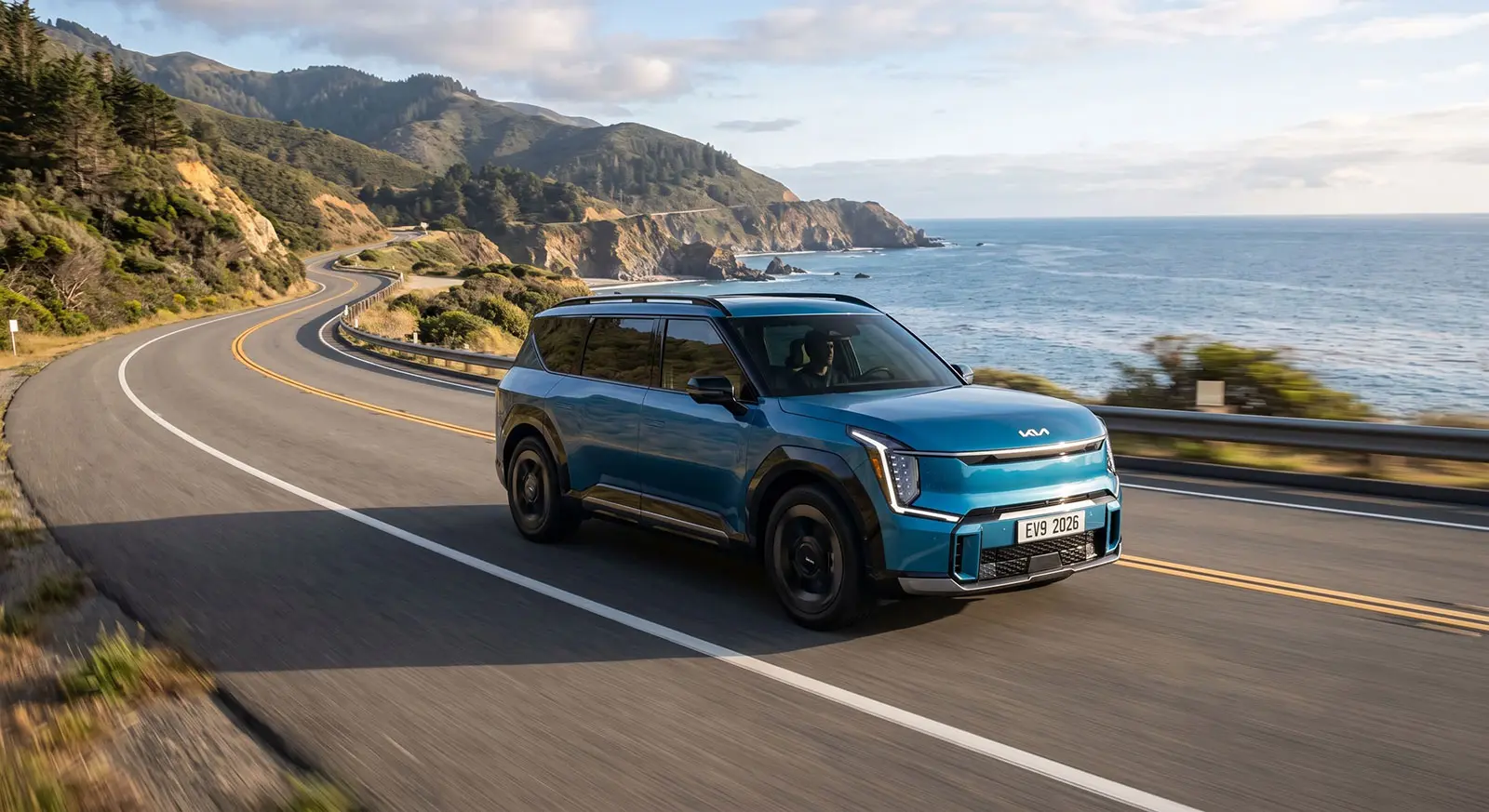
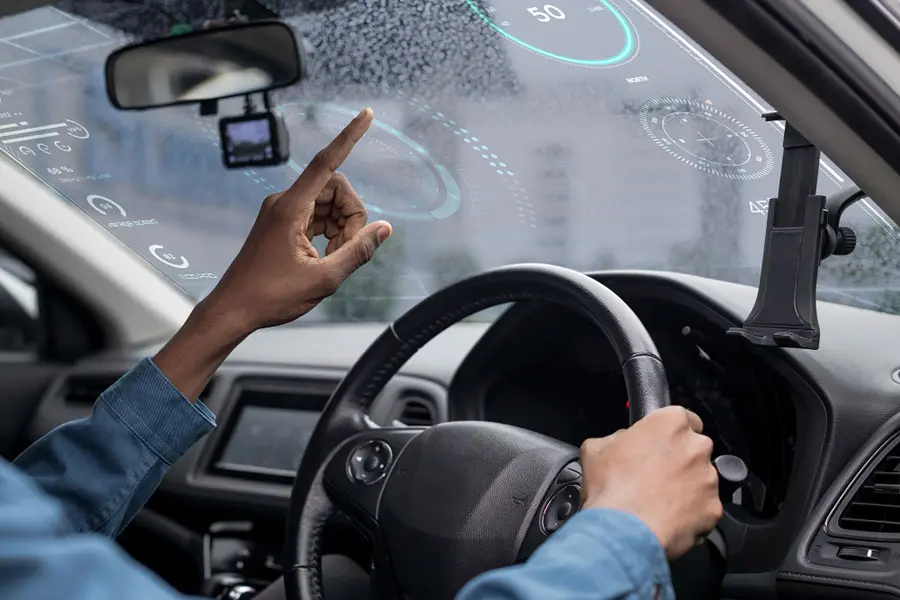
The modern automobile has evolved from a simple mechanical machine into a sophisticated computer on wheels. At the heart of this transformation is the Advanced Driver Assistance System (ADAS). Technologies like lane-keeping assist, adaptive cruise control, blind-spot monitoring, and automatic emergency braking have fundamentally changed the way we drive, drastically reducing human error and preventing countless accidents. These systems rely on a complex network of cameras, radar sensors, ultrasonic detectors, and, in some cases, LiDAR arrays strategically positioned around the vehicle. These sensors are the "eyes" of the car, processing environmental data in real-time to make split-second decisions that protect you and your passengers.
However, a dangerous trend is emerging among car owners and independent enthusiasts: the attempt to perform DIY ADAS repairs or recalibrations. Driven by the high cost of dealership services or the availability of aftermarket diagnostic tools, some believe that sensor calibration is a simple "plug-and-play" procedure that can be handled in a home garage. This could not be further from the truth. ADAS components are precision-engineered instruments that operate within microscopic tolerances. Even a deviation of a single millimeter or a fraction of a degree can render a safety system completely ineffective.
When you treat these high-stakes safety components as basic car parts, you are not just risking an expensive sensor; you are compromising the very safety features designed to save your life. In this deep dive, we will explore why the "do-it-yourself" approach to ADAS is a dangerous fallacy and why professional, certified recalibration is the only responsible way to maintain your vehicle's safety integrity. Safety is not a luxury, and it certainly isn't a DIY project—it is a rigorous scientific standard that must be maintained with absolute accuracy.
The Anatomy of ADAS—More Than Just a Camera
To understand why DIY intervention is a recipe for disaster, one must first appreciate the staggering complexity of Advanced Driver Assistance Systems. These are not merely individual parts that function in isolation; they are a tightly integrated symphony of hardware and software. The system relies on a multi-modal sensor fusion approach, where data from radar sensors, LiDAR (Light Detection and Ranging), ultrasonic sensors, and high-resolution optical cameras are cross-referenced thousands of times per second.
Radar sensors, typically tucked behind bumpers or grilles, measure the speed and distance of objects by bouncing radio waves off them. LiDAR uses laser pulses to create a precise 3D map of the vehicle’s surroundings, while cameras use computer vision to identify road markings, traffic signs, and pedestrians. When these systems are installed at the factory, they are calibrated to the vehicle's specific chassis geometry, ride height, and curb weight.
The "critical alignment threshold" is the most misunderstood aspect of these systems. For many ADAS components, the allowable margin of error is measured in fractions of a degree or millimeters. If a camera is tilted just 0.5 degrees off-axis, its projected field of vision on the road ahead can be shifted by several feet at a distance of 100 yards. This is the difference between the system correctly identifying a lane marker and misinterpreting a shadow or a crack in the pavement as a lane boundary. Furthermore, modern sensors are sensitive to environmental variables; if the angle of a sensor is changed, the entire software algorithm that interprets the data can provide faulty inputs. If the input data is skewed, the system’s output—such as steering inputs for lane-keep assist or braking commands—will be fundamentally flawed. Relying on such a system is akin to a pilot trusting a flight computer that has been configured with the wrong altitude settings. It doesn't just reduce performance; it creates a dangerous illusion of safety that can lead to catastrophic failure.
The Fallacy of DIY Calibration
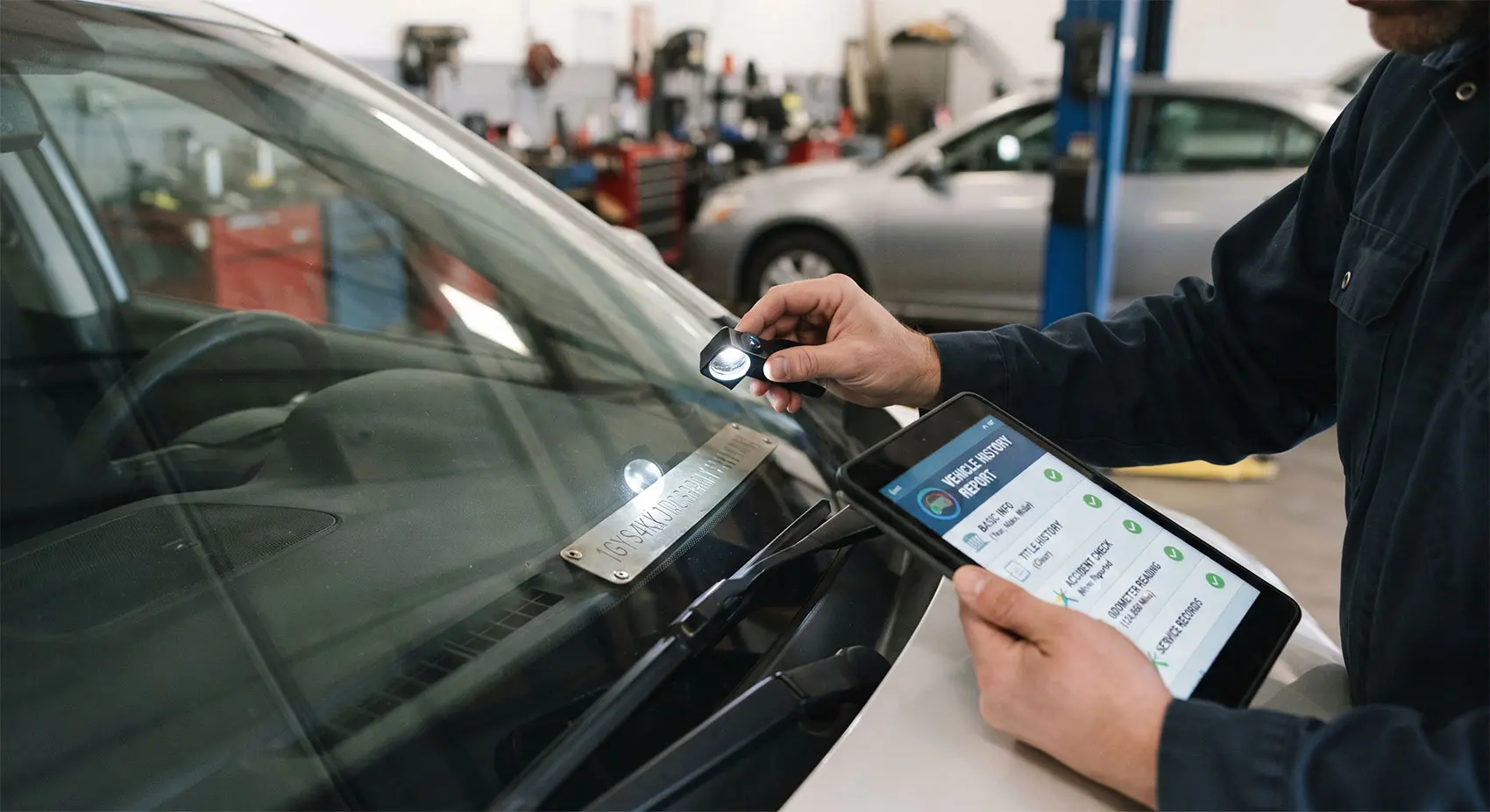
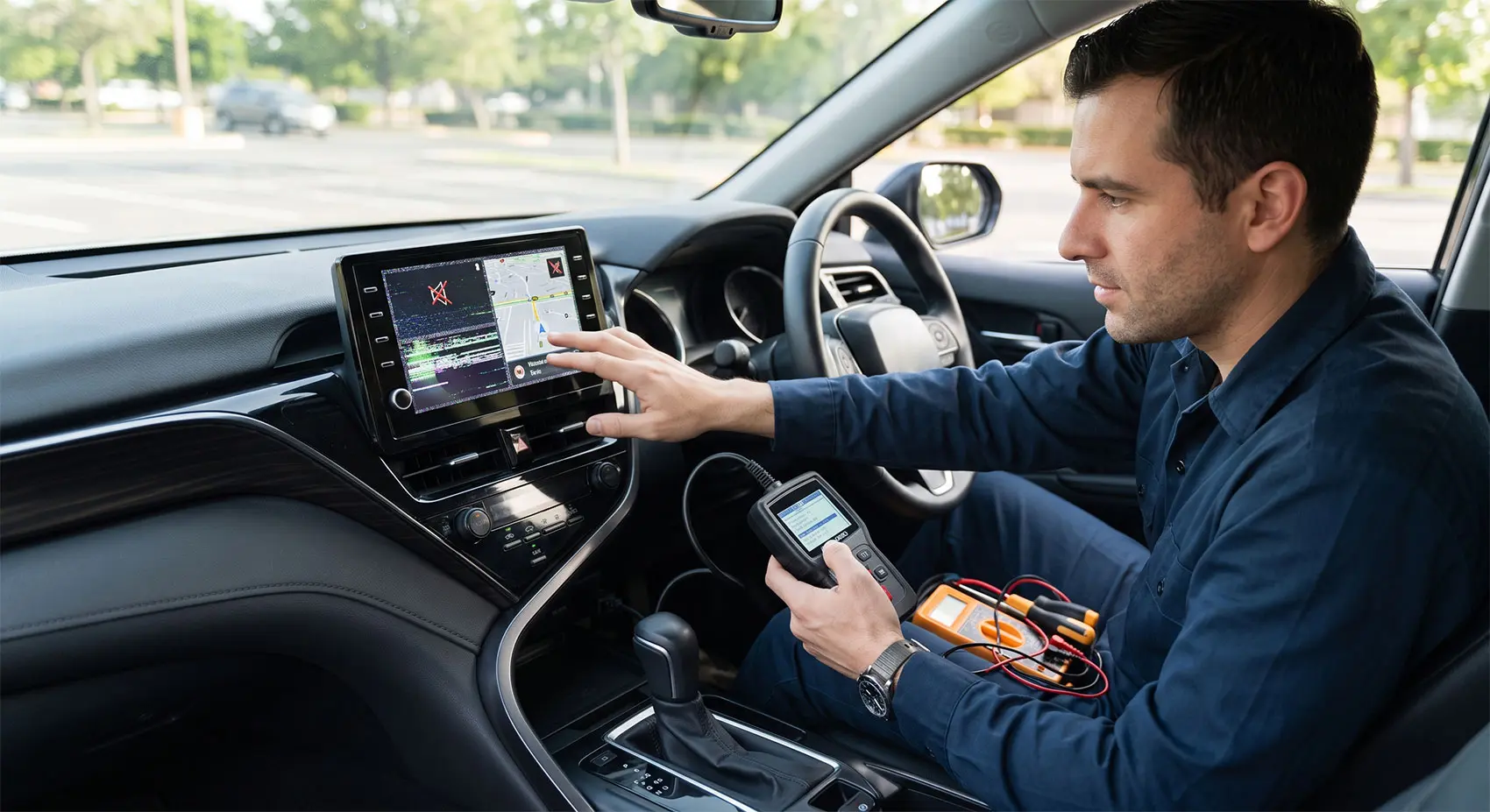
The allure of DIY ADAS repair often stems from a fundamental misunderstanding of the calibration process. Many vehicle owners assume that because they can clear a "Check Engine" light with a $50 OBD-II scanner, they can similarly reset an ADAS camera with an aftermarket app or a generic diagnostic tool. This is a dangerous misconception. Professional ADAS calibration is not merely about clearing a software error code; it is a physical, mechanical, and optical alignment process that requires a controlled, sterile environment.
First, consider the environment. OEM (Original Equipment Manufacturer) standards mandate that calibration must occur on a perfectly level floor. Even a slight slope—one that is undetectable to the human eye—can throw off the alignment of radar sensors mounted in the bumper. Furthermore, these systems often require specific, calibrated target boards or patterns placed at exact distances and heights from the vehicle. These targets must be perfectly parallel to the vehicle’s thrust line, often requiring laser-leveling equipment. In a typical home garage, issues such as ambient light interference, reflection from nearby objects, or even the slight vibration of a floor can lead to a "successful" calibration that is, in fact, technically flawed.
When you use a generic, consumer-grade tool, you are often bypassing the proprietary OEM software protocols that communicate with the vehicle's gateway. These tools may force a sensor "reset," but they cannot verify if the sensor’s "view" matches the vehicle’s physical geometry. This leads to the most insidious risk: the "false negative." The system might report that the calibration is complete and functional, providing the driver with a false sense of security. However, because the sensor is not calibrated to the vehicle's specific height or angle, it may fail to detect obstacles correctly, react too late, or trigger braking at highway speeds when no obstacle exists. When it comes to safety systems, a "pretty good" job is not acceptable; if the system is not aligned to the exact OEM specification, it is effectively broken.
Real-World Consequences of Improper Repair
The repercussions of ignoring professional calibration standards are not merely theoretical; they are profound, real-world safety hazards. When you interfere with the calibration of an ADAS sensor, you are essentially "blinding" the vehicle’s primary defense mechanisms. Consider the operation of Adaptive Cruise Control (ACC). This system relies on radar sensors to maintain a set distance from the vehicle ahead. If the radar is misaligned—even by a tiny fraction—it might lose track of the lead vehicle during a turn, or conversely, it may detect a stationary object in an adjacent lane, causing the car to execute a "phantom braking" event. On a busy highway, an unexpected, full-force brake application by your vehicle can lead to a multi-car pileup before you even have time to react.
Lane Keeping Assist (LKA) presents similar, if not more dangerous, challenges. These systems use front-facing cameras mounted behind the windshield to detect lane markers. A camera that has been improperly reinstalled—for instance, following a windshield replacement—might be off by a few millimeters. This creates a perspective distortion where the system believes the car is drifting out of the lane when it is actually centered. The vehicle may then steer aggressively into the path of oncoming traffic or off the road.
Beyond the immediate physical danger, there is the devastating issue of liability and insurance. Modern insurance policies are increasingly specific about "OEM-certified" repairs. If you are involved in an accident, forensic data recovery from the vehicle’s Event Data Recorder (EDR) can reveal if safety systems were active, malfunctioning, or recently tampered with. If an investigation finds that a DIY calibration led to the failure of an ADAS system, your insurance provider may deny your claim on the grounds of "negligent repair" or "unauthorized modification." In a worst-case scenario, if your faulty DIY repair contributes to an accident involving other parties, you could be held personally liable for damages that far exceed the cost of a professional calibration. Ultimately, the cost of a certified technician is a fraction of the price of a legal nightmare or a compromised life.
The Professional Standard
Understanding the intricate nature of Advanced Driver Assistance Systems naturally leads to one conclusion: safety is a non-negotiable science that requires professional, dealership-level intervention. When you bring your vehicle to a certified facility for ADAS calibration, you are not merely paying for a service; you are paying for the precision, expertise, and diagnostic infrastructure necessary to restore your vehicle to its original factory-safe condition. Professional technicians utilize advanced diagnostic computers that interface directly with the vehicle's onboard control modules. These tools go far beyond the capabilities of consumer-grade OBD-II scanners, allowing for the precise calibration of sensor fields of view, steering angle offsets, and radar beam angles.
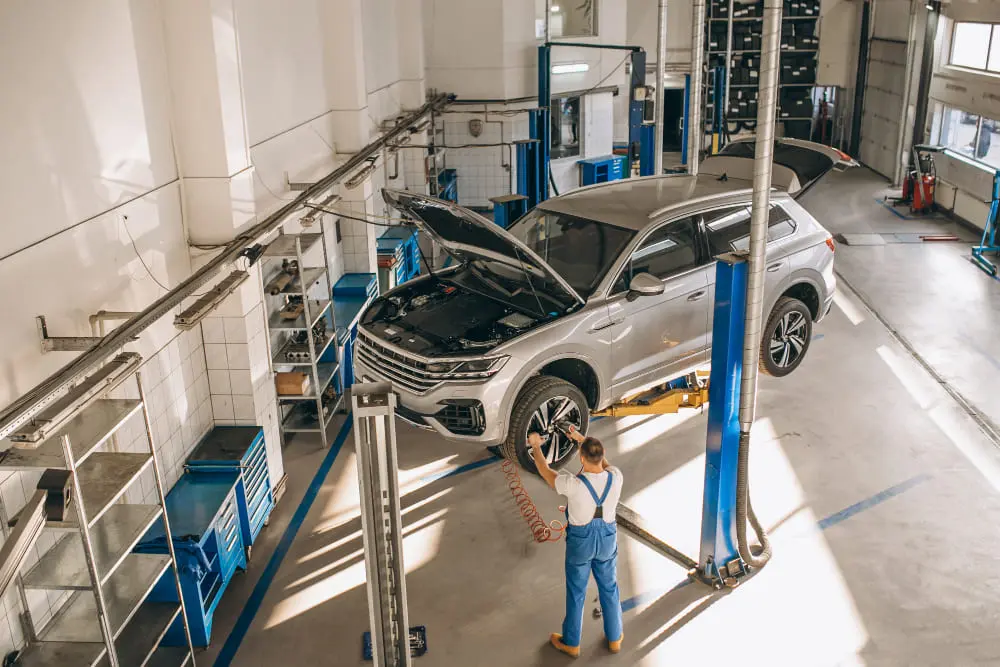
A professional calibration is conducted in an environment that meets strict OEM guidelines. This includes a perfectly level shop floor and, crucially, the use of sophisticated, manufacturer-specific target systems. These boards are not generic props; they are calibrated, high-precision tools designed to be recognized by your vehicle’s sensors. The technician uses laser-leveling devices to ensure that the target board is positioned at the exact distance, height, and angle specified by the automaker’s engineering data. This process ensures that the "field of view" of your cameras and radars is mapped perfectly to the vehicle's specific chassis configuration.
Furthermore, a professional service concludes with a comprehensive digital verification and documentation process. Post-calibration, the technician performs a test drive, often called a "dynamic calibration," to confirm that the sensors are interpreting real-world data correctly at various speeds. Most importantly, you receive a detailed, printed safety report. This documentation is vital; it proves to insurance companies and future buyers that the vehicle’s safety systems have been maintained according to factory standards. In an era where vehicle safety technology is rapidly advancing, having this paper trail is an essential part of your vehicle's service history. Relying on a professional isn't just about following the rules—it's about ensuring that when you hit the road, your vehicle’s "eyes" are as sharp, accurate, and reliable as the day it rolled off the assembly line.
Conclusion
As we have explored, the evolution of Advanced Driver Assistance Systems (ADAS) represents a significant leap forward in vehicular safety, but this technology is only as reliable as its calibration. Treating sensors like cameras, radar modules, and LiDAR arrays as "plug-and-play" components is a dangerous oversight that undermines the very engineering designed to protect you. DIY repairs often fail to account for the microscopic tolerances required for these systems to function correctly, leading to the high probability of misalignment, system malfunctions, and the alarming risk of "false negatives" where a car appears safe but fails to respond when danger strikes.
Beyond the immediate threat to your physical safety, the financial and legal ramifications of unauthorized repairs are significant. Insurance companies are increasingly diligent in investigating the provenance of repairs following accidents, and discovering an improperly calibrated ADAS system can lead to denied claims and personal liability. Professional, OEM-certified calibration is the only path that ensures your vehicle adheres to factory safety standards, providing not just technical assurance but also the crucial documentation needed for insurance and resale value.
Ultimately, your vehicle’s safety systems are a vital shield between you and the hazards of the road. When it comes to maintaining that shield, there is no substitute for the precision, specialized equipment, and diagnostic expertise of a professional technician. Do not let the allure of a quick, low-cost fix compromise the long-term safety of yourself and your passengers. By prioritizing professional care for your vehicle’s sensors, you ensure that every feature—from adaptive cruise control to automatic emergency braking—operates with the same life-saving precision it possessed the day it left the assembly line. Choose safety, choose professional integrity, and keep your vehicle’s "eyes" sharp and reliable.


Written by Kousar Shabbir
Published Jul 11, 2026 in Maintenance & Tips.