
The digital marketplace has completely transformed how we buy and sell pre-owned vehicles. Gone are the days when finding your next car required walking endless physical dealership lots on a rainy weekend or thumbing through classified ads in the local Sunday newspaper. Today, with just a few clicks or taps on a smartphone screen, you can browse thousands of vehicles across the country, compare prices instantly, and have a car delivered right to your front door. This unprecedented convenience has opened up incredible opportunities for car buyers, making it easier than ever to track down rare models, specific trims, and competitive pricing without ever leaving your couch.
However, this shift toward digital-first commerce also introduces a whole new tier of risk. While traditional car buying came with its own set of challenges, dealing with remote sellers, virtual storefronts, and digital-only transactions creates unique vulnerabilities. In 2026, scammers and dishonest sellers have evolved far beyond basic classified ad tricks, utilizing advanced digital tools, synthetic media, and sophisticated remote financial traps to target unsuspecting buyers. If you are shopping for a pre-owned vehicle online, relying solely on polished photos and persuasive messaging is a fast track to financial regret. Protecting your hard-earned money requires a modern, high-tech inspection mindset and an acute awareness of the digital red flags that separate legitimate private sellers and reputable dealers from professional online fraudsters. To help you navigate the virtual marketplace safely, let’s break down the major red flags you must watch out for before sending a single dollar to an online seller.
AI-Generated Photos & Stock Images
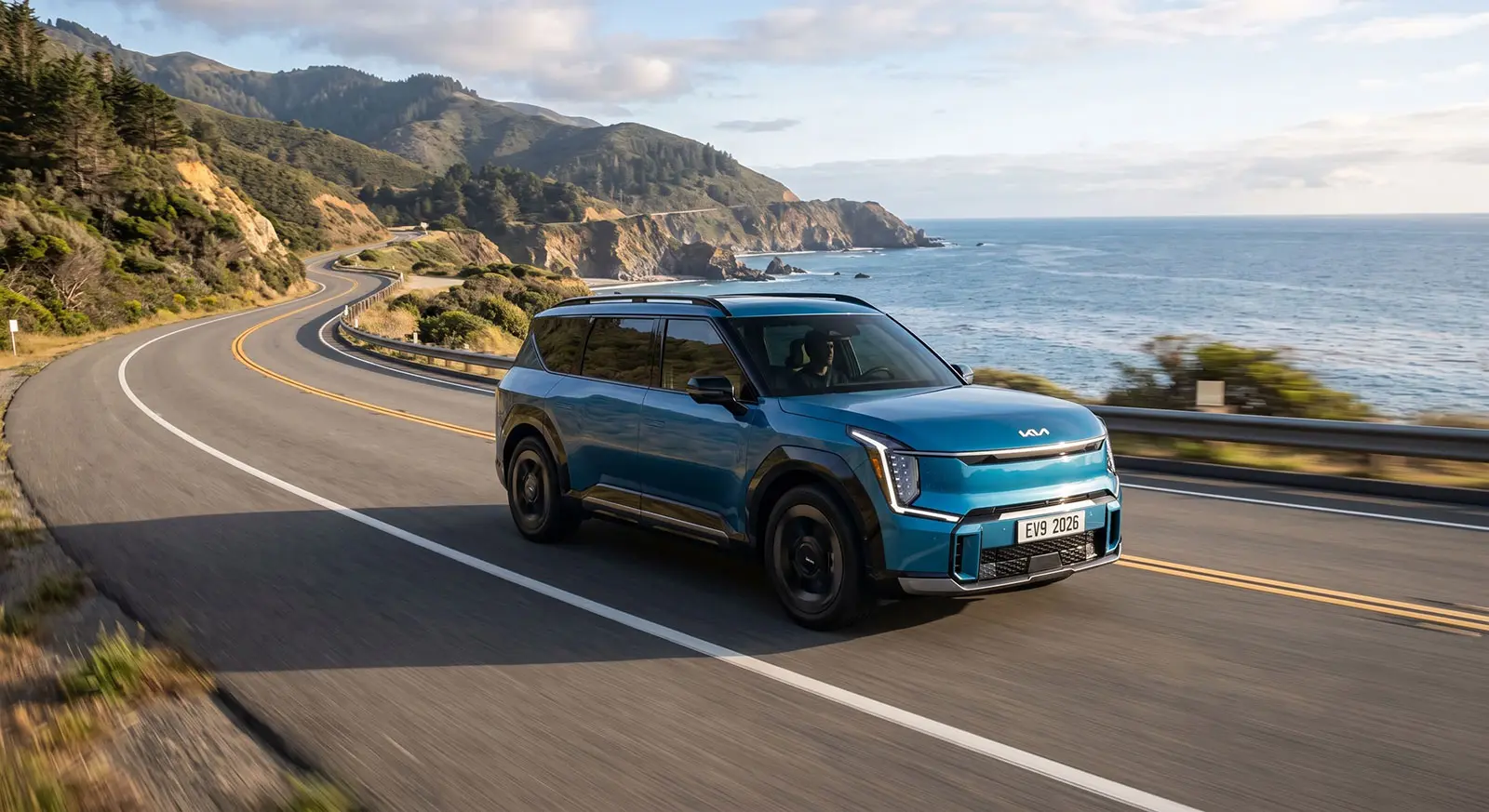
The democratization of digital media creation has brought incredible tools into the hands of legitimate automotive sellers, but it has simultaneously handed a powerful weapon to modern digital fraudsters. One of the most dangerous and rapidly growing red flags when buying a used car online in 2026 is the prevalence of AI-generated photos, heavily manipulated images, and recycled stock listings. In the past, scammers relied on blurry, low-resolution photographs stolen from completely different classified listings. Today, cybercriminals utilize advanced generative artificial intelligence to create pristine, entirely fictitious vehicles that look immaculate from every angle, complete with flawless paint finishes and pristine showroom lighting.
When analyzing a remote listing, you must look closely for synthetic visual artifacts. Pay intense attention to the background details: warped license plates, asymmetric wheel designs, blurred architectural lines, or inconsistent shadow casting are dead giveaways that the vehicle has been digitally enhanced or entirely synthesized. A legitimate private seller or professional dealer takes straightforward, unpolished photos in real-world environments like a driveway, a dealership lot, or a local street. Furthermore, if a listing features stock photography or images that appear too professional, as if pulled straight from a manufacturer brochure for a used economy car, you should immediately raise your guard.
Never rely solely on static digital images when thousands of dollars are on the line. Always demand live, unedited verification videos and real-time walkarounds via a secure video call. Ask the seller to start the engine live, flick the hazard lights on, and physically point the camera at specific problem areas like the door jambs or under-hood compartments. If a seller makes excuses claiming their camera is broken, refusing to jump on a quick live call, or insisting that the polished gallery photos are "enough," close the tab and walk away immediately.
Prices Too Good to Be True
One of the oldest psychological tricks in the book is leveraging human greed and the desire for a bargain, and cybercriminals have perfected this art in the modern online automotive marketplace. When browsing for a pre-owned vehicle online, coming across a pristine model priced thousands of dollars below market value is an instant trigger that should raise your highest alarms. While rare garage finds and desperate sellers do exist in the real world, digital marketplaces are heavily scoured by automated scrapers and savvy buyers. If a 2024 luxury SUV or a highly sought-after electric crossover is listed at a fraction of its blue-book value, you are almost certainly looking at a bait-and-switch scam, a severely compromised vehicle, or an outright ghost listing.
Scammers often use below-market pricing as a hook to reel in eager buyers who are blinded by the prospect of a massive discount. Once you take the bait, the excuses begin to roll in. The seller may claim that the price is low because they are in a rush to move, that the vehicle has a minor cosmetic flaw they conveniently forgot to photograph, or that a mysterious "third-party holding company" is handling the transaction. In many cases, these drastically underpriced vehicles actually carry hidden salvage titles, structural frame damage from undisclosed major accidents, or active commercial liens that will transfer directly to you upon purchase.
To protect yourself against pricing traps, always cross-reference any listing with established 2026 digital valuation platforms and market benchmarks. Check multiple regional listings for the exact same make, model, year, and mileage tier. If the price deviates by more than 15% to 20% below the average market floor without a clear, verifiable mechanical reason (such as a blown motor or severe chassis damage clearly documented), treat the listing as a critical hazard. Remember the golden rule of online commerce: if an offer looks entirely too good to be true, it is almost certainly a trap designed to part you from your money.
Missing or Vague Vehicle History Reports
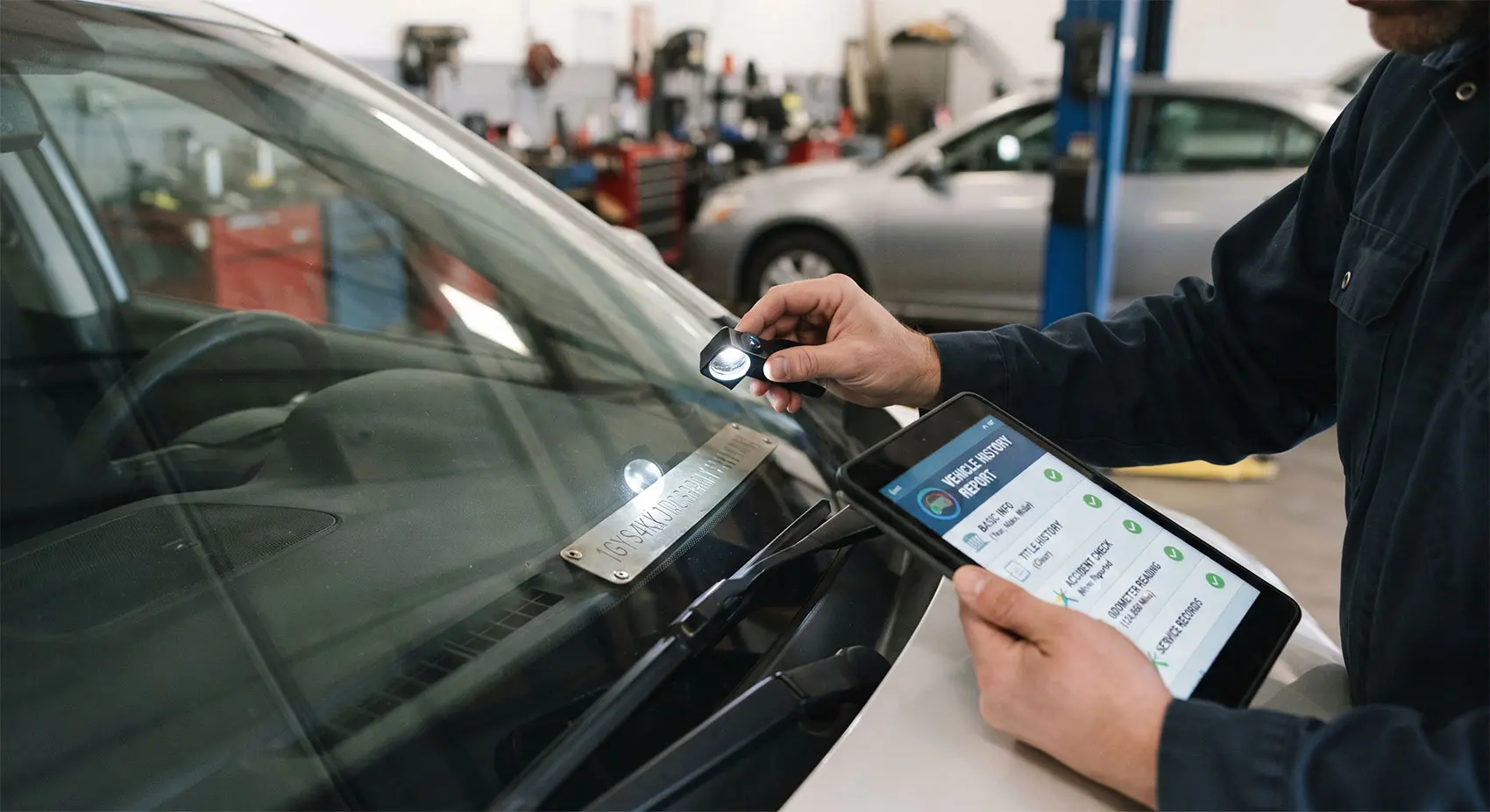
When you are browsing vehicles on a physical lot, you can often inspect the condition of the metal, check the tires, and open the glove box to look for service records. When you are buying online, however, you are separated from the vehicle by hundreds of miles and digital screens. This physical distance makes the vehicle history report your single most important digital shield. A major red flag that should immediately halt any online transaction is a seller who is vague, defensive, or outright refuses to provide a comprehensive vehicle history report, such as a CARFAX or AutoCheck, or who refuses to share the vehicle identification number (VIN) upfront.
Dishonest online sellers frequently attempt to hide a troubled past by omitting the VIN from the public listing or claiming that they will only provide it "after a deposit is secured." Legitimate sellers have nothing to hide and will gladly display the VIN or attach the history report directly to the advertisement. Without this data, you are completely blind to critical historical events such as odometer rollbacks, salvage titles, structural frame damage, frequent ownership changes, or severe flood histories. In many cases, scam listings use fake or cloned VINs taken from entirely different vehicles parked across the country, hoping that an eager buyer will wire money before verifying the paperwork against the actual metal on the car.
Always independently verify the VIN provided by cross-checking it against official state and national registries. Look closely for odometer discrepancies where mileage readings jump backward or remain stagnant across consecutive registration renewals. If a vehicle has spent time in flood-prone coastal regions or northern states with heavy winter road salting, the history report will reveal critical clues about potential rust or water damage that polished exterior photos conceal. If a seller makes excuses about why they cannot provide a clean, verifiable history report right away, treat it as a deal-breaker and move on to a transparent listing.
Unsafe or Unconventional Payment Demands
When you are purchasing a vehicle from a reputable dealership, the financial transaction follows standard, secure procedures such as bank wire transfers to verified corporate accounts, cashier's checks, or structured auto financing agreements. However, when dealing with remote private sellers or unverified online brokers in 2026, payment security becomes an absolute minefield. A glaring red flag that should immediately end negotiations is any seller who demands unconventional, untraceable, or unprotected payment methods. This includes requests for direct peer-to-peer cash transfer apps without buyer protection, untraceable wire transfers to personal accounts, or payments routed through obscure, newly established escrow services controlled entirely by the seller.
In recent years, modern cyber fraudsters have weaponized fake online escrow platforms that look identical to legitimate financial services. They create professional-looking websites, generate convincing digital invoices, and even provide fake customer service phone lines to assure you that your funds are safe until the vehicle arrives. Once you transfer the money into these fraudulent accounts, the funds vanish instantly, and the website disappears right along with the seller. Another growing trend involves demands for cryptocurrency payments or gift card codes methods that offer zero recourse, no fraud protection, and absolute anonymity for the thief.
To safeguard your hard-earned money, always insist on utilizing established, mainstream financial institutions or verified third-party escrow services that you independently research and vet yourself. Never send a deposit or a full vehicle payment based solely on photos and promises. If a seller insists that you must use a specific, unknown payment gateway to secure the car before an inspection or delivery, recognize it for what it is: a classic online financial trap designed to leave you with empty pockets and no vehicle.
The "Relocation" or "Absentee Seller" Excuse
One of the most elaborate and structurally deceptive plays in the online automotive scammer handbook is the absentee seller or fake relocation excuse. In this scenario, the listing features an attractive vehicle at a reasonable price, and initial communication with the "seller" goes smoothly. However, when you begin asking specific questions about viewing the car in person or scheduling a local test drive, a carefully scripted narrative unfolds. The seller claims they have suddenly been deployed overseas with the military, accepted a sudden job relocation out of state, or must travel urgently due to a family emergency.
To make matters worse, they assure you that you do not need to worry about the distance because the vehicle is already sitting in a secure holding warehouse or is being handled by a premier "third-party shipping agent" or online auto escrow broker. They will often provide official-looking shipping invoices, guarantees of a "7-day money-back test drive period," and detailed instructions on how to wire your payment to the shipping company's holding account. The psychological trap here relies on manufactured empathy, urgency, and convenience, making you feel as though you are securing an exclusive deal that requires trust in an automated logistics system.
The reality behind every single one of these excuses is simple: the car does not exist, and the shipping company is a shell entity operated by the exact same fraudsters running the listing. Purchasing a remote vehicle without a physical inspection or dealing with an absentee seller who refuses a face-to-face meeting or a local peer-to-peer handover is a fatal mistake. If a seller introduces a complicated shipping narrative or claims they cannot meet you because they are physically absent from the vehicle's location, you must terminate the conversation immediately to protect your financial safety.
Conclusion
Navigating the online used car market requires a vigilant mindset, a healthy dose of skepticism, and an unwavering commitment to verification. As digital marketplaces continue to evolve, so do the tactics of scammers and dishonest sellers who seek to exploit remote buyers. By understanding and watching out for critical red flags such as AI-generated imagery, prices that defy real-world market logic, missing vehicle history reports, unconventional payment demands, absentee relocation excuses, and resistance to independent mechanical inspections, you shield your hard-earned money from sophisticated fraud.
Remember that a great deal is never worth sacrificing your financial security. Always demand transparency, verify vehicle identification numbers independently, utilize secure, mainstream payment gateways, and insist on a professional third-party pre-purchase inspection before money ever changes hands. Taking these proactive steps ensures that your next digital car purchase is a smooth, rewarding, and entirely secure experience.



Written by Maarukh Shahbaz
Published Jul 25, 2026 in Buying Guides.