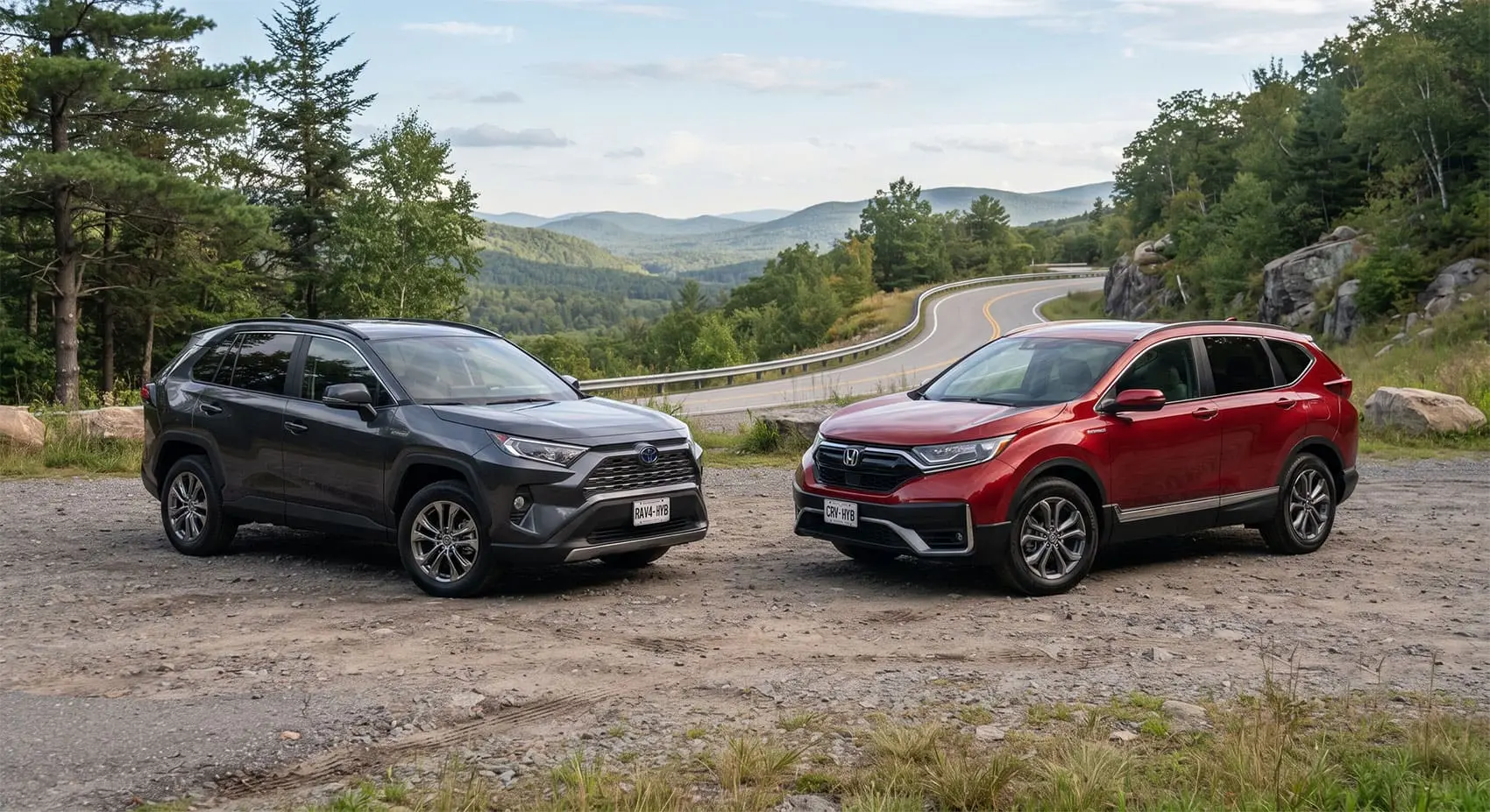
The automotive landscape is defined by few rivalries as fierce and significant as the one between the Toyota RAV4 and the Honda CR-V. For over two decades, these two titans have battled for the hearts and driveways of families across the globe, serving as the benchmark for the compact SUV segment. As we enter the 2026 model year, this competition has reached a fever pitch. With the 2026 RAV4 shifting entirely to a hybrid-focused lineup and the Honda CR-V continuing to refine its blend of gasoline efficiency and hybrid sophistication, the choice for the average consumer has never been more nuanced.
This isn't just about badge loyalty; it’s about how these vehicles integrate into your daily life. The 2026 RAV4 arrives with a mission to solidify Toyota’s dominance in hybrid technology, offering more horsepower and rugged capability for those who view their vehicle as a tool for adventure. Conversely, the 2026 Honda CR-V doubles down on the "man maximum, machine minimum" philosophy a design ethos that prioritizes cabin ergonomics, intuitive space utilization, and a ride quality that feels a full class above its price point.
When you strip away the marketing jargon and the dealership sales pitches, you are left with two distinct philosophies. The Toyota RAV4 appeals to the pragmatic adventurer, the buyer who values the longevity of a mechanical system designed to endure thousands of miles of varied terrain. The Honda CR-V, meanwhile, speaks to the urban commuter and the busy parent who values the serene, tech-forward environment and the masterful packaging that makes even the smallest tasks feel effortless.
Deciding which vehicle "wins" the ultimate showdown for 2026 requires more than a glance at the spec sheet. It requires understanding how these machines handle the reality of modern life: the school run, the weekend mountain getaway, the grocery haul, and the long-term reliability that keeps your ownership costs low over the next decade. In the following sections, we will dissect the performance, technological architecture, and long-term value of these two SUV giants to help you determine which belongs in your driveway.
Performance & Hybrid Powertrains: Efficiency vs. Engagement
When evaluating the 2026 Toyota RAV4 and the Honda CR-V, the conversation inevitably centers on their respective hybrid architectures. For 2026, Toyota has doubled down on its commitment to electrification by leaning heavily into its 5th-generation Toyota Hybrid System (THS). This system is designed for maximum efficiency, pairing a 2.5-liter four-cylinder engine with high-torque electric motors. For the driver, this translates to a seamless transition between power sources. The RAV4’s hybrid system is tuned to provide a punchy, immediate torque curve that makes highway merging and city darting feel effortless. It maintains its reputation for being a "set it and forget it" powerhouse, delivering fuel economy figures that remain at the top of the compact SUV segment.
Honda, however, takes a different approach with its dual-motor hybrid setup found in the 2026 CR-V. Instead of focusing solely on raw numbers, Honda emphasizes the quality of the driving experience. The CR-V’s system is engineered to feel more linear and intuitive; it avoids the "motor-boating" effect that is often associated with drone-like engine noise in continuously variable transmissions under heavy load by simulating gear shifts during acceleration. This makes the CR-V feel more like a traditional gasoline vehicle, offering a refined, smooth, and composed ride that many families prefer for long-distance comfort.
When it comes to all-wheel-drive (AWD) capabilities, the divide is even clearer. The 2026 RAV4 utilizes an electronic on-demand system that powers the rear wheels with a dedicated electric motor, offering excellent traction control in slippery conditions and maintaining the vehicle's rugged persona. The CR-V’s Real-Time AWD with Intelligent Control System is equally adept at distributing torque to ensure stability on loose or wet surfaces. Ultimately, the choice here boils down to a fundamental preference: the Toyota RAV4’s hybrid system feels like a high-efficiency tool built for endurance and power, while the Honda CR-V’s powertrain feels like a sophisticated, premium-tuned machine built for comfort and composure.
Interior Ergonomics & Technological Integration
Step inside the 2026 models, and the contrasting philosophies of Toyota and Honda become immediately apparent. Toyota has embraced a "tech-forward" interior for the 2026 RAV4, making a 12.3-inch digital instrument cluster standard across every single trim. This shift creates a clean, high-resolution cockpit that keeps vital information front and center. The multimedia experience is anchored by a 10.5-inch touchscreen (upgradable to 12.9 inches on higher trims), running the latest Toyota Audio Multimedia system. While the interface is deep and functional, the sheer volume of touch-heavy controls and complex menus reflects a vehicle designed for those who appreciate a data-rich environment. The overall cabin aesthetic is rugged, utilizing durable materials that feel built to survive the wear and tear of family road trips and weekend outdoor excursions.
Honda, meanwhile, sticks to its "man maximum, machine minimum" ethos, resulting in a cabin that feels undeniably more polished and user-friendly. The 2026 CR-V prioritizes ergonomics, featuring a minimalist layout that places essential controls exactly where you expect them to be. While the screen real estate is slightly smaller, a 9-inch touchscreen is standard across the board it is highly intuitive, featuring a crisp interface that reduces driver distraction. On the top-tier Sport Touring Hybrid, Honda includes a Google-integrated system that offers a level of app connectivity and seamless voice-command utility that the RAV4’s native system currently struggles to match.
When it comes to pure passenger comfort, the CR-V holds a slight edge. It offers a bit more rear-seat legroom and an interior architecture that feels open and airy, which can make a noticeable difference during long-haul travel. The RAV4 counters with superior seat material options like the refined SofTex synthetic leather and a panoramic glass roof that adds a premium feel to the upper trims. Ultimately, if you prioritize a tech-heavy, data-centric cockpit that feels ready for adventure, the RAV4 is your match. If you prefer a refined, minimalist space where daily ease of use is the primary goal, the CR-V’s interior will feel more like home.
Utility, Cargo Space, and Towing Capability
When you are choosing between the 2026 Toyota RAV4 and the Honda CR-V, the decision often comes down to how you plan to use your vehicle on a daily basis. The Honda CR-V is widely considered the master of space utilization. Its cabin architecture is legendary for a reason—it feels significantly larger than its exterior dimensions suggest. The cargo area is exceptionally deep and wide, featuring a low load floor that makes loading heavy groceries, bulky sporting equipment, or even medium-sized furniture remarkably easy. For families, the rear-seat legroom is a standout feature, providing a level of comfort that makes long road trips feel far less taxing for passengers. The CR-V’s power liftgate operates with a quiet, efficient precision that underscores Honda’s focus on the "everyday ease" factor.
The Toyota RAV4, however, takes a different, more utilitarian approach that appeals to the "weekend warrior" demographic. While the total interior volume might trail slightly behind the CR-V, the RAV4’s cargo area is shaped for versatility. The floor is lined with durable, easy-to-clean materials, and the sheer number of tie-down points and accessory mounting options demonstrates that Toyota expects you to actually use this vehicle for rugged adventures. Furthermore, the RAV4 maintains a distinct advantage when it comes to towing. Depending on the trim level, the RAV4 offers a towing capacity of up to 3,500 pounds, which is a significant figure for a vehicle in the compact SUV class. This allows owners to pull small camping trailers, lightweight boats, or utility trailers with confidence a feat that the standard CR-V powertrain is not explicitly rated for.
Ultimately, the choice here is between two different types of utility. If your primary goal is maximizing interior volume for family comfort and routine daily cargo, the Honda CR-V’s design-led approach to space makes it the clear winner. However, if your lifestyle involves frequent towing, camping, or hauling gear that requires a more ruggedized interior setup, the RAV4’s balance of towing capacity and durable cargo architecture provides the performance edge you need to get the job done.
Reliability, Maintenance, and Long-Term Value
When investing in a vehicle intended to serve as a primary family transport for years to come, long-term reliability and ownership costs are non-negotiable. Both Toyota and Honda have spent decades cultivating reputations for bulletproof engineering, but they approach the concept of "value" through slightly different lenses. Toyota consistently tops industry reliability rankings, often by designing mechanical systems that err on the side of simplicity and proven longevity. The 2026 RAV4 is the beneficiary of this legacy; it is engineered to be a workhorse that sustains its performance well into the six-figure mileage mark with little more than routine oil changes and tire rotations. This track record makes the RAV4 a perennial favorite for those who prioritize peace of mind above all else, often resulting in industry-leading resale values that soften the blow of the initial purchase price.
Honda, meanwhile, offers a different flavor of reliability. The CR-V is celebrated for its mechanical harmony the way the engine, transmission, and chassis components integrate to ensure that the vehicle remains rattle-free and structurally sound over time. While Toyota is often the "safe" pick for high-mileage drivers, the CR-V frequently commands high resale value because it is viewed as a more "premium" experience. Maintenance costs for both brands are competitively low, but the breadth of Toyota’s service network gives it a slight logistical edge for those who travel extensively or live in more rural areas.
Ultimately, your choice depends on how you measure value. If you view your SUV as a long-term asset that you intend to keep for a decade or until it hits 200,000 miles, the Toyota RAV4’s reputation for simple, robust mechanical durability is hard to beat. However, if you value a vehicle that feels sophisticated and refined throughout your period of ownership and you prioritize an ownership experience that feels premium at every touchpoint, the Honda CR-V offers a level of engineering elegance that pays dividends in daily satisfaction
Conclusion: Which SUV Wins the Ultimate Showdown?
The "ultimate showdown" between the 2026 Toyota RAV4 and the 2026 Honda CR-V doesn’t end with a knockout punch because both of these machines are operating at the peak of their respective powers. There is no objectively "wrong" choice here, only the right choice for your specific lifestyle and priorities.
The 2026 Toyota RAV4 emerges as the victor for the pragmatic adventurer. If you are the type of driver who views a vehicle as a high-utility, all-terrain tool, someone who needs that extra towing capacity for weekend trips, values the ruggedness of a purpose-built hybrid system, and wants the absolute peace of mind that comes with Toyota’s legendary long-term reliability, then the RAV4 is built for you. It is a vehicle that asks little and gives everything in return, standing as a testament to functional design.
The 2026 Honda CR-V, conversely, is the clear champion of the urban and suburban family. If your daily life is defined by school runs, grocery hauls, and the need for a serene, ergonomic cabin that feels more like a lounge than a command center, the CR-V is unmatched. Its superior interior packaging, intuitive tech interface, and refined driving dynamics make it the better companion for the daily grind. It turns the mundane tasks of driving into a comfortable, effortless experience.
In the end, you are choosing between two different paths to the same goal: high-efficiency, reliable, and capable transportation. The RAV4 is your rugged partner for the road less traveled, while the CR-V is your sophisticated companion for the road that never seems to end.

Written by Maarukh Shahbaz
Published Jul 18, 2026 in Comparisons.